


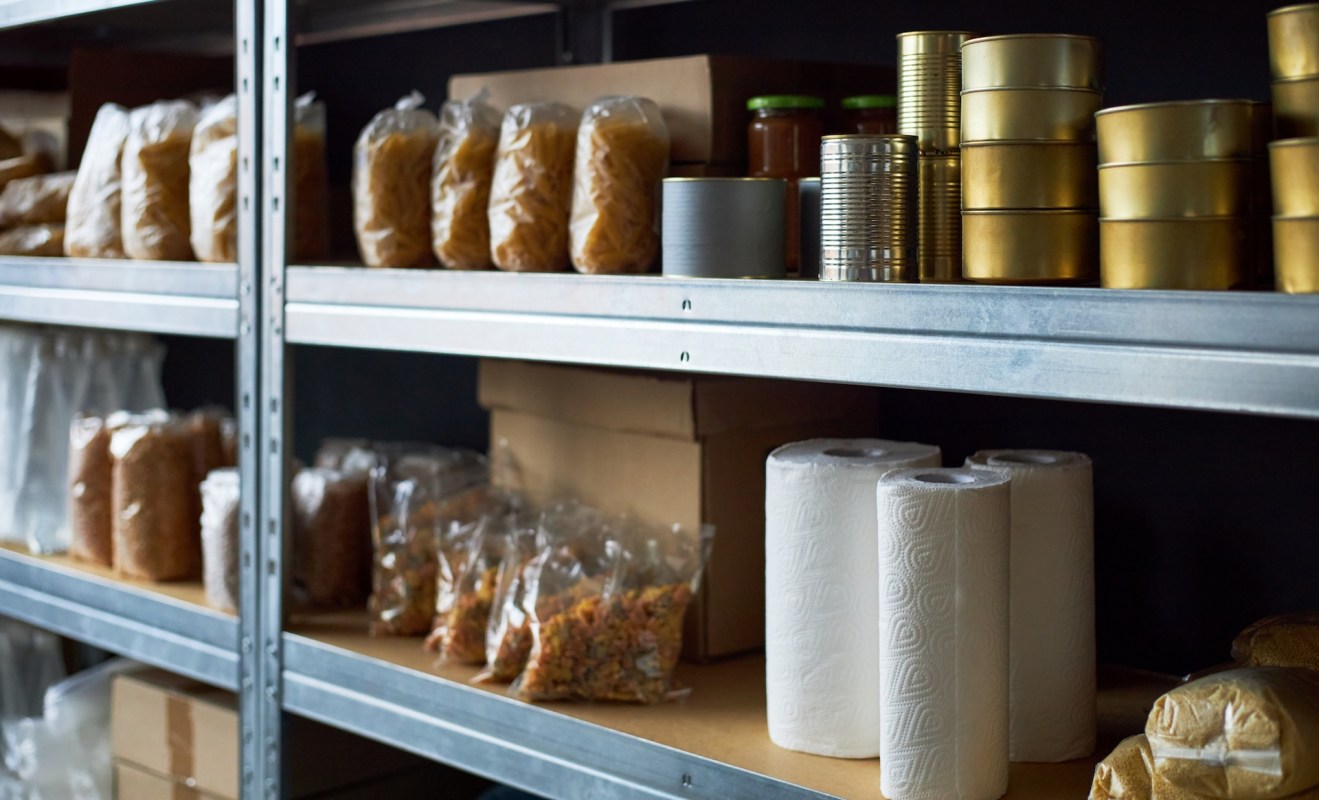
Disaster preppers are challenging the idea that emergency food should sit untouched until a crisis hits.
Here's what to know
On Reddit, the original poster explained that their home already keeps multiples of everyday items, writing, "Instead of having 1 tin of beans I have 4, in the bathroom cabinet instead of having 1 toothpaste I have 5."
They then asked the prepper community, "What is your definition of a 'we need to break out the stockpile' situation?"
Most replies rejected the idea of saving those supplies for some undefined emergency. As one commenter put it, "Rule #1 of prepping is: use your stock straight away. You need to cycle your stock."
A similar motto surfaced elsewhere in the thread, when another user added, "Store what you eat, eat what you store."
A third commenter wrote, "I use it like a normal store and replace what I use after I use it. Some things I know I'll always use, so I pick up extra when I can."
TCD Picks » Quince Spotlight
💡These best-sellers from Quince deliver affordable, sustainable luxury for all




More background
Rather than promoting a massive, expensive reserve, many commenters described stockpiling more as a convenience habit, buying enough to avoid constant trips to the store and keeping extras of products they already know they will use.
For others in the thread, that approach was less about disaster scenarios than everyday efficiency. One commenter wrote that their family was "always stockpiling food" simply "to avoid going to shops everyday," using pantry items together with fresh ingredients and finding that "very rarely" something went past a best-before date. That suggests a money-saving benefit as well as being prepared.
Several replies also noted that a stash stored separately may reflect the shape of the home more than a different philosophy. One person said overflow winds up elsewhere because their kitchen pantry cabinets are "annoyingly small," and that those items get used first when needed.
Overall, commenters described a modest version of prepping rather than an extreme one. Keep extra quantities of the items you already buy, then rotate them. That approach can reduce last-minute store runs while making it less likely food will sit forgotten until it expires.
Where can I learn more?
With the U.K. government urging households to be more prepared for an emergency, prepping has jumped to the front of the national conversation.
• One family's annual £200 buy creates a month-long food buffer for four.
• Preppers are pushing less doomsday stockpiles, more daily self-sufficiency at home.
• In the UK, many households are stocking up for 'Tuesday' rather than the apocalypse.

Get TCD's free newsletters for easy tips, smart advice, and a chance to earn $5,000 toward home upgrades. To see more stories like this one, change your Google preferences here.






