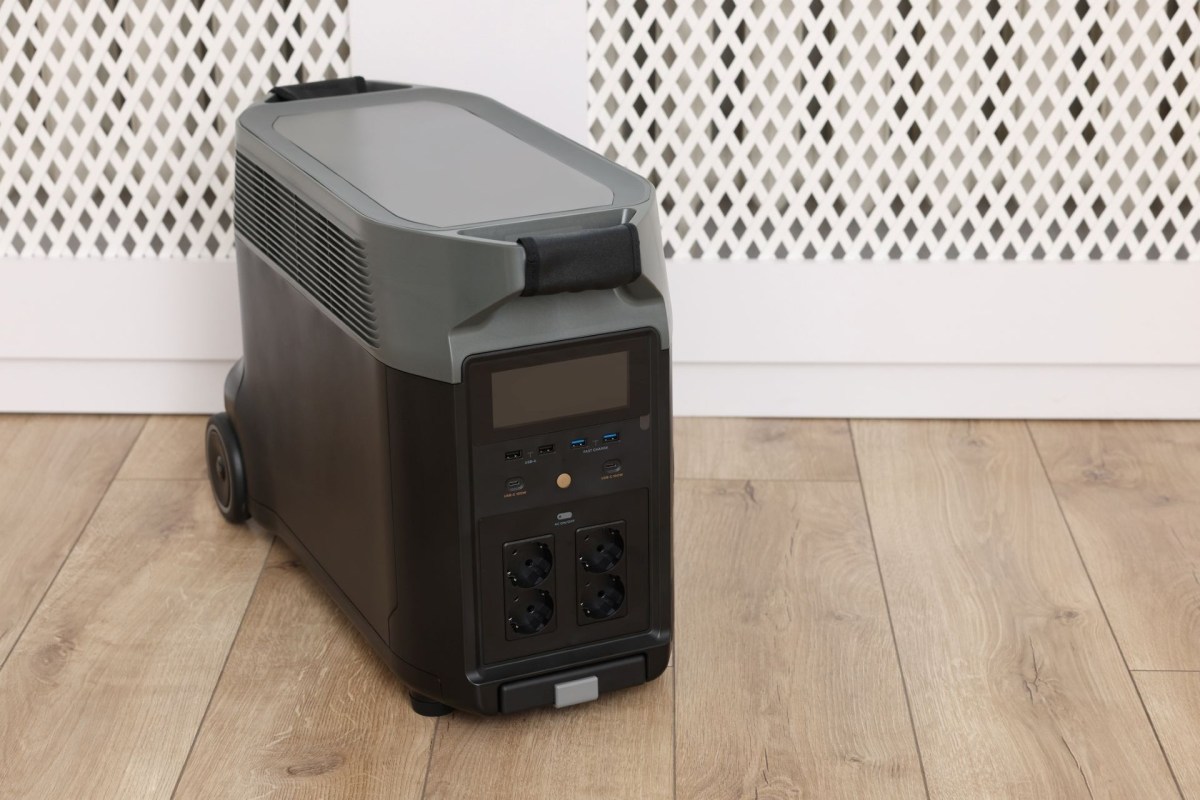
A U.K. shopper looking to put together a low-cost solar setup for a shed posed a simple question with broad appeal: Do you need to buy branded panels to pair with an EcoFlow inverter, or can you cut costs by buying them elsewhere?
The discussion became a useful snapshot of the questions many would-be solar buyers are asking, including how to balance upfront cost, compatibility, battery backup, and whether local rules could complicate what seems like a straightforward DIY project.
Here's what to know
The discussion started in a Reddit post about whether an EcoFlow inverter has to be paired with the company's own panels or if cheaper alternatives can do the job.
"I'm looking to purchase an ecoflow invertor, but I wanted to check if I can get cheaper solar panels from somewhere?" the original poster wrote. "Seems like a no-brainer for £250 (~$331 USD) that i could have a setup on my shed roof, which is about 14 feet x 8ft."
The replies suggested that the panel brand matters less than whether the hardware matches the inverter's requirements.
"You get any panels you like so long as they have the right connections and don't go above the voltage limits," one commenter wrote.
A few commenters focused less on panel pricing and more on the broader setup. One questioned whether buying the inverter by itself made sense, suggesting a battery-backed model could hold onto excess generation instead of feeding it back to the grid.
"Note that currently the plug-in regulations don't permit and you'd likely need planning permission," another commenter warned.
Save $10,000 on solar panels without even sharing your phone number Want to go solar but not sure who to trust? EnergySage has your back with free and transparent quotes from fully vetted providers in your area. To get started, just answer a few questions about your home — no phone number required. Within a day or two, EnergySage will email you the best options for your needs, and their expert advisers can help you compare quotes and pick a winner. Solar panels can save you more than $50k over their 25-year lifespan, and EnergySage can help you save as much as $10k on installation. Which begs the question — isn't that worth an email or two? |

More background
If you're comparing battery-backed solar setups, it may be worth exploring EnergySage for information on home battery storage options, including competitive installation estimates. EnergySage has teamed up with the electrification brand Qmerit to guarantee you get the best price on home battery storage solutions.
Another option is Pila, which offers excellent battery backup choices. Its plug-and-play batteries are priced at a fraction of what a whole-home backup system would cost, making them especially appealing for people who want backup power without a major renovation.
What can be done?
Before buying discounted equipment, shoppers may want to check local plug-in solar rules and see whether planning permission could be required. They should also confirm that the panel connectors and voltage work within the inverter's limits.
It may also help to weigh a standalone inverter against a battery-integrated option, especially for households that would rather keep surplus power available for outages than send it back to the grid.
Where can I learn more?
If you're weighing panel options or trying to sort out installation and plug-in solar rules, these articles add useful context. They look at plug-in solar policy, the U.K.'s rooftop solar growth, home solar options, and installation costs.
• In Colorado, officials are removing barriers and red tape for plug-in solar at home.
• In the U.K., lawmakers helped usher in a new solar era on rooftops nationwide.
• Homeowners weighing installation paths can power their homes with solar through several practical setups.
• Former EnergySage president Charlie Hadlow helped explain solar panel costs and the factors shaping installation quotes.

Get TCD's free newsletters for easy tips, smart advice, and a chance to earn $5,000 toward home upgrades. To see more stories like this one, change your Google preferences here.