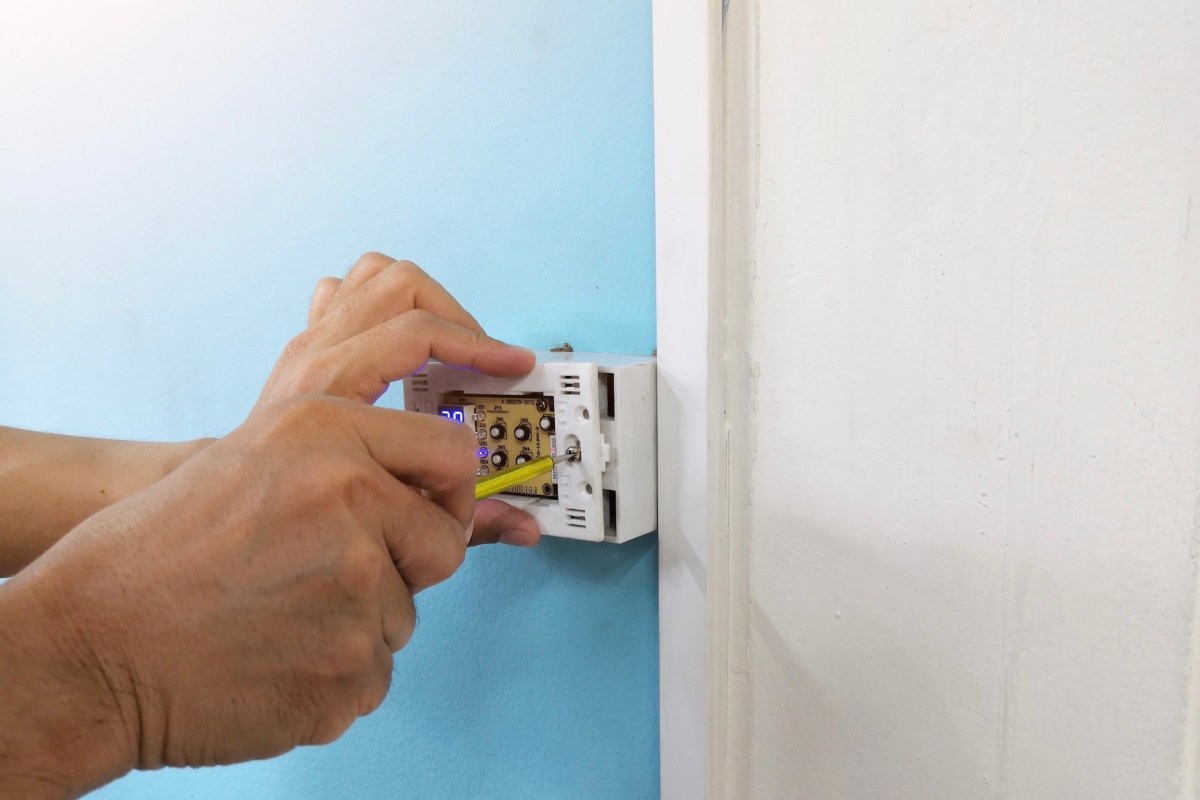
U.K. heating engineers have identified dead thermostat batteries as a cause of unnecessary callouts, potentially leaving households with bills worth hundreds of pounds for an easily resolved problem.
An unresponsive thermostat may seem like a heating emergency, but the solution could be as simple as replacing its batteries.
Here's what to know
Heating engineers consulted for consumer advice published by the Mirror identified dead thermostat batteries as the most common cause of avoidable emergency visits.
Battery replacement can be necessary for some digital thermostats, as well as older models that often run on AA batteries.
Emergency callouts range from around £225 to £675 ($295-884), according to Checkatrade figures cited by the Mirror, and additional work can increase the bill.
For homeowners considering a larger upgrade, EasyHome is a marketplace offering unique prices and exclusive deals from trusted partners to heating and cooling shoppers. Efficient equipment can help households manage energy expenses and their exposure to higher energy prices.
More background
The Mirror recommended checking that replacement batteries fit securely in the thermostat's compartment. A loose connection can stop the thermostat from working even when its batteries aren't depleted.
For thermostats powered through household electrics, checking the fuse box is another initial troubleshooting step.
Crushed by your bills? See instant solar savings from vetted installers in just a few clicks With energy prices through the roof, there's never been a better time to go solar — and EasyHome can help you find the best prices from the best installers in your area. EasyHome takes the guesswork and headaches out of energy upgrades by showing you estimated savings from a network of vetted local partners. To get started, just enter your ZIP and share a few details about your home — seeing your estimate is really that easy. |

The Mirror also recommended checking the boiler's pressure gauge, which should typically read between 14.5 and 21.8 psi (1.0 to 1.5 bars). Homeowners can use the boiler number, often located underneath the unit, to find model-specific instructions and review the troubleshooting section before attempting permitted maintenance.
Radiators may struggle to warm rooms when air becomes trapped inside. Clanking and gurgling can accompany the problem, while bleeding the radiators releases the trapped air.
Annual boiler servicing is another maintenance expense to consider. The Mirror said the cost was between £80 and £150.
What can be done?
If boiler pressure needs attention, switch the unit off, allow it to cool, and follow the instructions for that model. Before bleeding radiators, the Mirror advised switching off the heating, letting it cool, and having a towel and bowl ready.
If troubleshooting points toward replacement, EasyHome works like Groupon for home energy: It uses its large audience to negotiate exclusive prices and unique deals with local partners. Options span heating and cooling systems, solar panels, backup batteries, and more, giving homeowners a way to compare upgrades alongside repair costs.
EasyHome also offers special solar deals. Pairing solar with efficient electric heating and cooling can increase savings; with battery storage and an outage-capable setup, the combination can also provide heating and cooling during power interruptions — addressing both running costs and household resilience.
Before purchasing separate boiler cover, homeowners should also check whether their existing home insurance provides emergency protection or includes an annual service.
Some policies may exclude boilers more than seven years old, according to the Mirror.
Where can I learn more?
A heating problem can come down to a thermostat setting or a small faulty part. These stories cover homeowners facing heat pump checks and unexpected boiler costs.
• A U.K. first-time buyer's £50 plumber visit pointed toward checking the heat pump.
• A homeowner facing furnace replacement found one thermostat setting stopped the furnace's long cycles.
• A homeowner facing a $10,000 boiler repair quote traced the problem to a $100 igniter.
• U.K. first-time buyers told their boiler was fine later received a £3,000 warning.

Get TCD's free newsletters for easy tips, smart advice, and a chance to earn $5,000 toward home upgrades. To see more stories like this one, change your Google preferences here.