


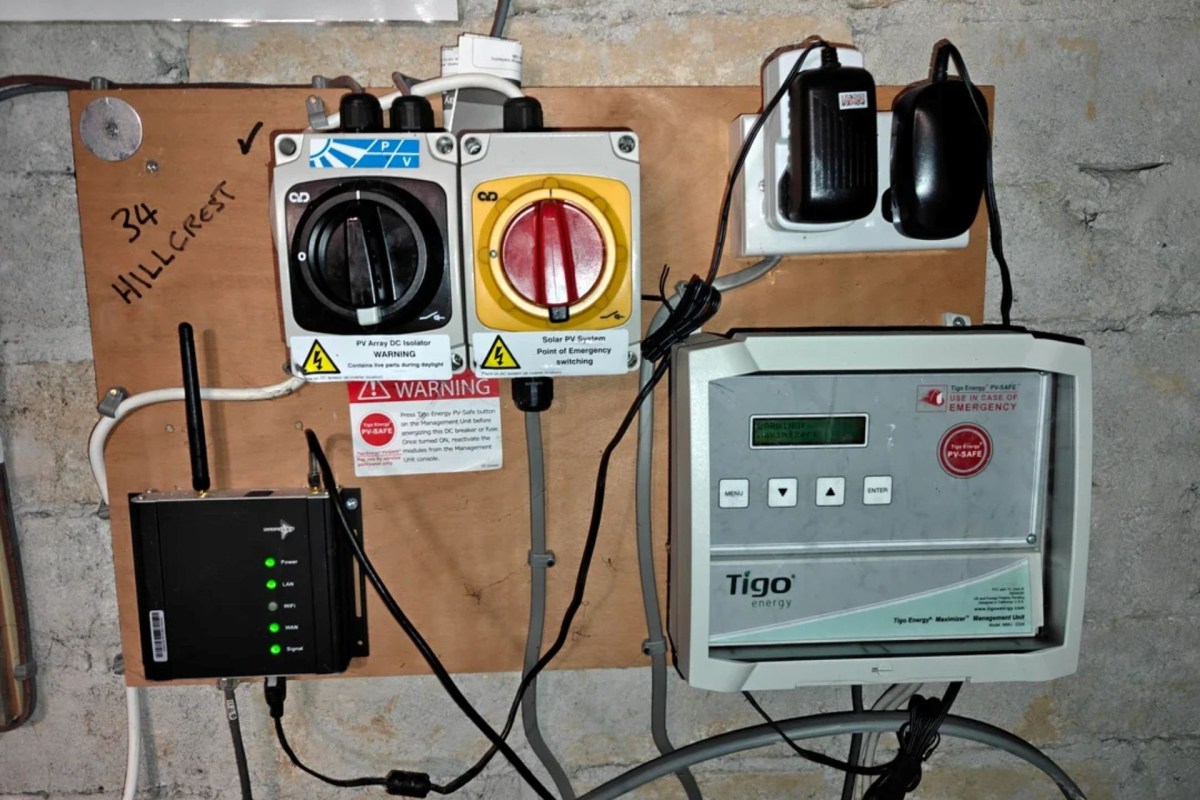
A U.K. council housing tenant moving into a home with solar panels turned to Reddit with a simple question: What exactly is all this equipment in the loft, and how does it work?
Inherited solar systems can be a money-saving perk, but only if the new occupant understands who owns the setup, who receives any tariff payments, and how to make the most of the free electricity.
Here's what to know
"I found this equipment in the loft, but I have no idea what any of it is. I have never had solar panels before," the original poster wrote.
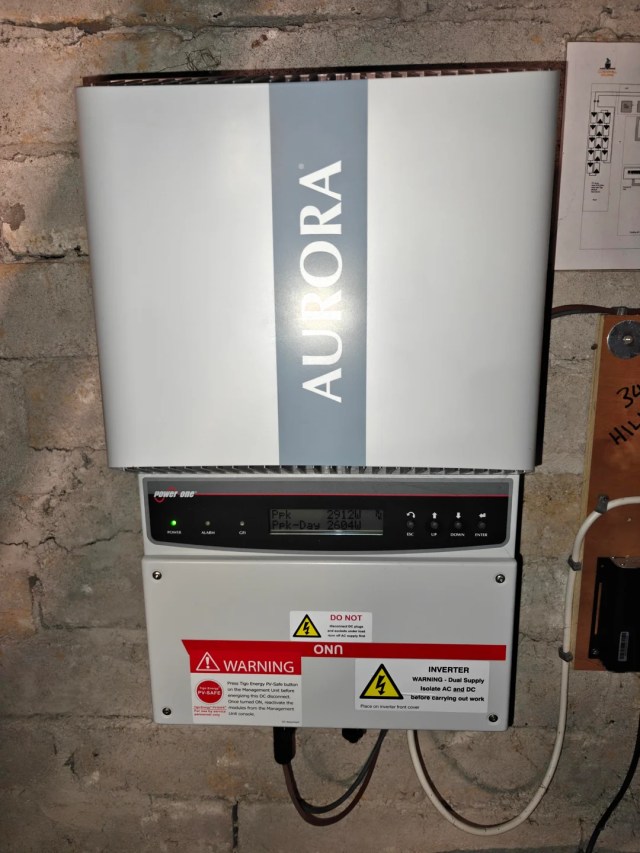
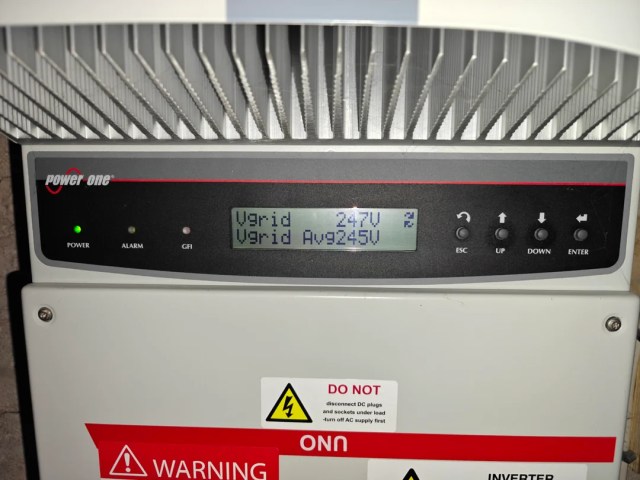
Among the replies, one user identified the main unit as an Aurora inverter, while another said the rest appeared to include "isolation switches and what looks like a generation meter."
"Ye olde Aurora inverter. Looks like about 2900W of panels on the roof given that's the highest it's done. 2600W today so the system is in decent nick," one commenter wrote.
Someone else speculated, "It would be likely the council gets the FIT payments and you'd get the power."
With a feed-in-tariff arrangement, generation payments may go to the landlord or council, while the tenant can still benefit by using the electricity the panels make during the day instead of buying from the grid.
If you want to explore rooftop panels, you can use EnergySage to get free solar installation estimates and compare quotes.
Save $10,000 on solar panels without even sharing your phone number Want to go solar but not sure who to trust? EnergySage has your back with free and transparent quotes from fully vetted providers that can help you save as much as $10k on installation. To get started, just answer a few questions about your home — no phone number required. Within a day or two, EnergySage will email you the best local options for your needs, and their expert advisers can help you compare quotes and pick a winner. |

More background
Solar panels may cut a resident's electric bill, but the system's ownership, export payments, and maintenance duties could still belong to a landlord, council, or installer.
"I've got a smart meter," the OP wrote. "How does it work with the panels?"
One commenter replied: "When there's excess power it will be exported. You'll see a pylon symbol on your smart display."
Another offered: "When you use the power generated by the solar panels you don't pay for it. Beyond that — it depends."
More From EnergySage
💡Go deep on the latest news and trends shaping the residential solar landscape


What can be done?
Anyone moving into a home with solar should start by confirming who owns the system and whether it is part of a FIT program, then locate the generation meter and check whether any monitoring equipment is connected.
"If you ever need to switch it off, strictly AC isolator first," one user warned. "DC ones don't like opening under load."
If you want to improve or replace the system, EnergySage's free tools can take the guesswork out of shopping. With EnergySage's help, the average person can save up to $10,000 on a solar purchase and installation.
EnergySage's solar map shows the average cost of a home solar panel system by state as well as details on solar panel incentives in each state. Together, these resources can help readers get the best price for rooftop solar panels and access available incentives.
Adding battery storage to a solar setup is also one of the best ways to protect your home during outages, save money on energy, and go off-grid. Batteries can store daytime solar power for use after sunset, making a rooftop system even more useful. You can explore EnergySage for information about home battery storage options, including competitive installation estimates.
"You want to be making the most of the energy the panels produce during the day and do your washing, cooking, etc., when the sun's out!" one user commented.
Where can I learn more?
The value of solar depends on system size, ownership, and when the electricity is used. That is the kind of information a tenant needs when moving into a home with panels already on the roof.
• A renter said they paid just one electric bill for a decade after panels were installed.
• In Australia, a 20kW rooftop setup made blackouts invisible and even earned bill credits.
• In Ohio, a retired engineer's panels produced "negative" energy bills for his home.

Get TCD's free newsletters for easy tips, smart advice, and a chance to earn $5,000 toward home upgrades. To see more stories like this one, change your Google preferences here.






