


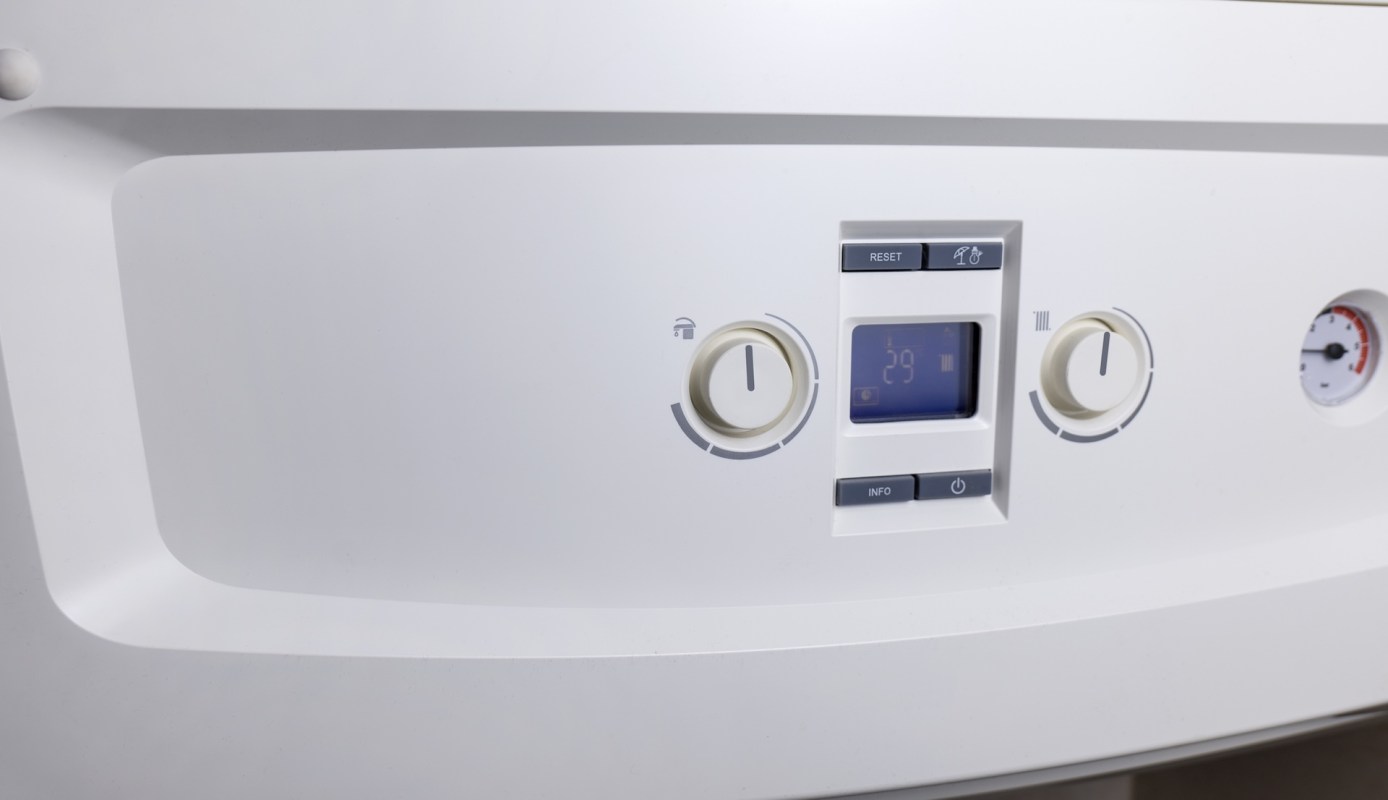
A no-cost boiler tweak could trim gas bills for millions of UK homes. Citing research foundation Nesta, Skint Dad reported that around 7.5 million UK households could save about £57 a year by changing a single combi-boiler setting.
That doesn't mean every home will see the same result. The adjustment is free, but it only suits certain boilers, and savings vary from household to household.
Here's what to know
Many condensing combi boilers heat radiator water to around 167 degrees Fahrenheit (75 degrees Celsius) or 176 F (80 C). Nesta estimates that, with a suitable boiler, lowering the central-heating flow temperature to 140 F (60 C) could reduce a home's total gas use by roughly 7%, or about £57 a year at current gas prices.
As of Oct. 1, Ofgem's energy price cap is 4% higher. A typical Direct Debit customer in England, Scotland, or Wales on a standard variable tariff would pay £1,723 a year if prices stayed at that level for 12 months.
That makes the estimated £57 boiler saving close to the roughly £60 annual increase linked to the cap rise. Even so, neither figure tells an individual household exactly what it will pay, because energy use and boiler settings differ.
This guidance applies only to combi boilers, which heat radiators and provide hot water to taps without a separate hot water cylinder. The same setting change doesn't apply to homes with other boiler systems.
TCD Picks » Quince Spotlight
💡These best-sellers from Quince deliver affordable, sustainable luxury for all




More background
The £57 estimate is based on a 2022 experiment at the University of Salford's Energy House. Nesta applied 2026 gas prices and typical household gas use to that 2022 test to produce the updated bill-saving estimate.
Lowering the flow temperature can help because a condensing boiler captures and uses more of the heat it generates instead of wasting as much.
The Energy Saving Trust, however, says the drop in gas use isn't necessarily all from better efficiency. At 140 F (60 C), rooms may warm more slowly and may not reach quite the same temperature they would at 167 F (75 C).
Spread over a year, £57 is about £4.75 a month. That wouldn't necessarily show up as a flat monthly cut to a Direct Debit, because most of the savings would likely happen during the months when you're using the heating.
What can be done?
If your home has a condensing combi boiler, check the central-heating flow temperature setting. If it's currently around 167 F (75 C) or 176 F (80 C) and the boiler can be adjusted, lowering it to 140 F (60 C) may reduce gas use.
In the boiler example Skint Dad discussed, the relevant control is the dial marked with a radiator symbol, which sets the temperature of the water moving through the heating system. That's separate from the control used for hot water at the taps.
Controls differ by make and model, so households need to identify the correct function on their own boiler rather than copying someone else's dial positions.
Nesta estimated that combining six no-cost heating changes could save about £220 annually. This boiler adjustment is one of several free ways to reduce wasted energy. For homes already set close to 140 F (60 C), this change may offer little or no extra savings.
Where can I learn more?
Boiler settings are only one part of heating costs and comfort.
• In the U.K., a homeowner found their boiler already heats at 55 C, which complicates radiator advice.
• Around D.C.-Baltimore, homeowners weighing a combi's savings faced steep replacement costs later.
• In the U.K., homes without central heating found air-to-air heat pumps outperformed a combi boiler.
• In New York, utilities said a 65-degree setting could cut heating use 15%.
• U.K. households could trim costs with a tariff check and laundry changes.

Get TCD's free newsletters for easy tips, smart advice, and a chance to earn $5,000 toward home upgrades. To see more stories like this one, change your Google preferences here.
Cool Picks






