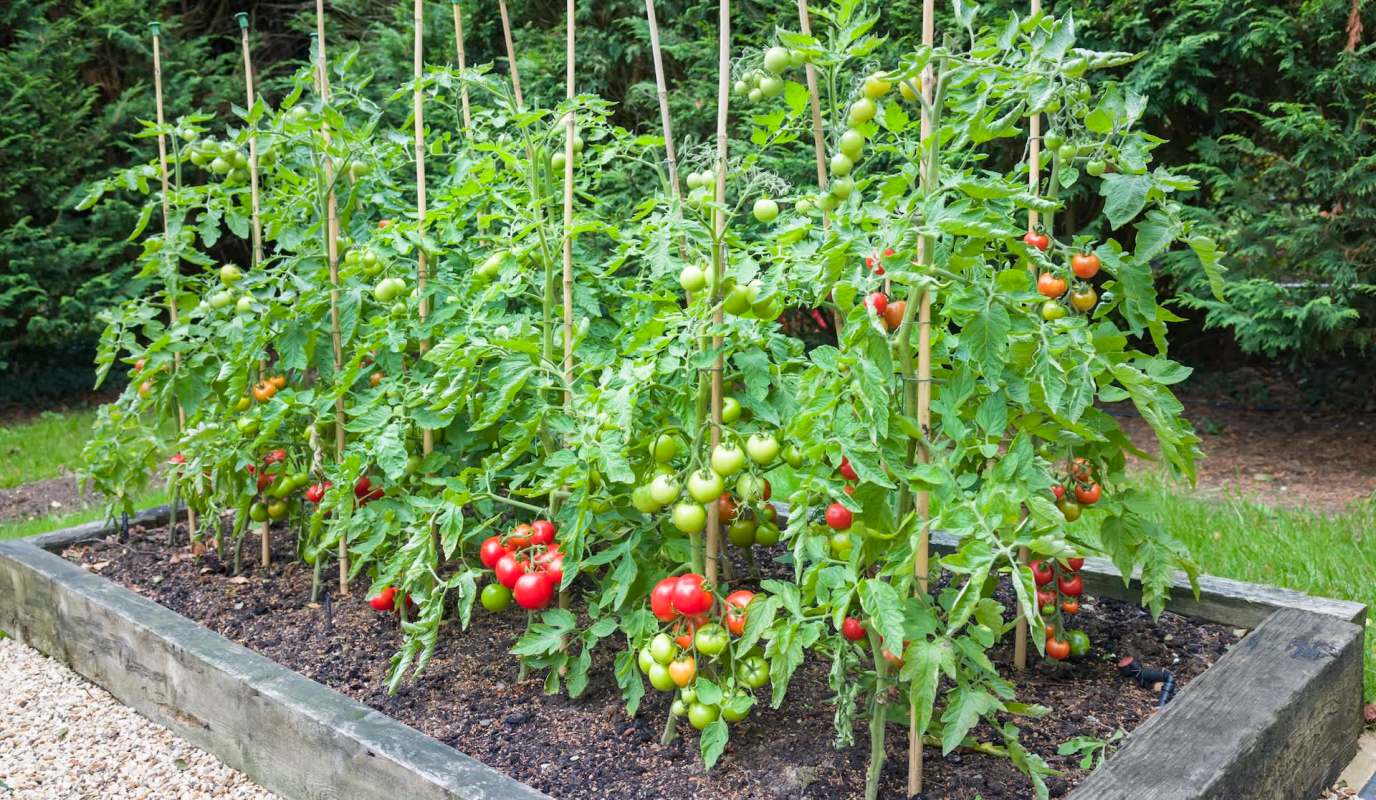
Late-summer heat can be hard on tomato plants, even though they thrive in the sun.
What's happening?
During the hottest part of summer, tomatoes may show signs of heat stress, and that can reduce plant vigor and affect fruit size.
To help plants handle August conditions, gardening experts suggest putting down mulch around them, reported Martha Stewart.
Carrie Spoonemore, co-founder of Seed to Spoon, said mulch helps shield the soil from extreme daytime conditions: "It acts like insulation for the soil, keeping root temperatures cooler, reducing moisture loss, and preventing the constant cycle of the soil heating up and drying out every afternoon."
A mulch layer can also reduce weed pressure, leaving less competition for the water and nutrients tomatoes need. That makes it a practical step for gardeners trying to keep plants producing through late-summer heat and dry periods.
Why does it matter?
For people growing food at home, keeping tomato plants healthy in August can mean the difference between a strong harvest and a disappointing one. A simple layer of mulch may help gardeners protect the time, money, and effort they have already invested in their plants.
TCD Picks » Quince Spotlight
💡These best-sellers from Quince deliver affordable, sustainable luxury for all




Home gardening can lower grocery bills, provide fresher and better-tasting produce, and support mental and physical health through time spent outdoors and regular movement. Even a small tomato patch can become a meaningful source of food and satisfaction.
Mulching also supports a lower-maintenance garden. By helping the soil retain moisture and reducing weed growth, it can cut down on frequent watering and make it easier to avoid extra chemical inputs.
What can I do?
Before you spread mulch, start by getting the soil underneath ready.
Spoonemore said, "I like to water deeply first so the soil is well hydrated before covering it."
She added, "If I'm adding compost or a slow-release fertilizer, I'll do that before applying the mulch so those nutrients can work their way into the soil."
Pull existing weeds from around each plant first, since they can drain nutrients and give pests a place to hide.
When choosing a mulch, experts favor natural options, including wood chips, shredded leaves, and untreated straw. Because these organic materials decompose over time, they can also improve soil conditions.
Use enough mulch to form a 2- to 4-inch blanket over the soil, but keep it slightly back from the stem to promote airflow.
Afterward, stick with deep watering instead of light daily watering, and keep watching for pests and lower leaves that may need pruning.
Spoonemore emphasized timing: "It's much easier to keep the soil cool [than] to cool it down after weeks of extreme heat."
Tammy Sons added, "Check moisture levels regularly in the following weeks. Mulch will help with moisture retention, but it will not eliminate the need to water your plants."

Get TCD's free newsletters for easy tips, smart advice, and a chance to earn $5,000 toward home upgrades. To see more stories like this one, change your Google preferences here.