


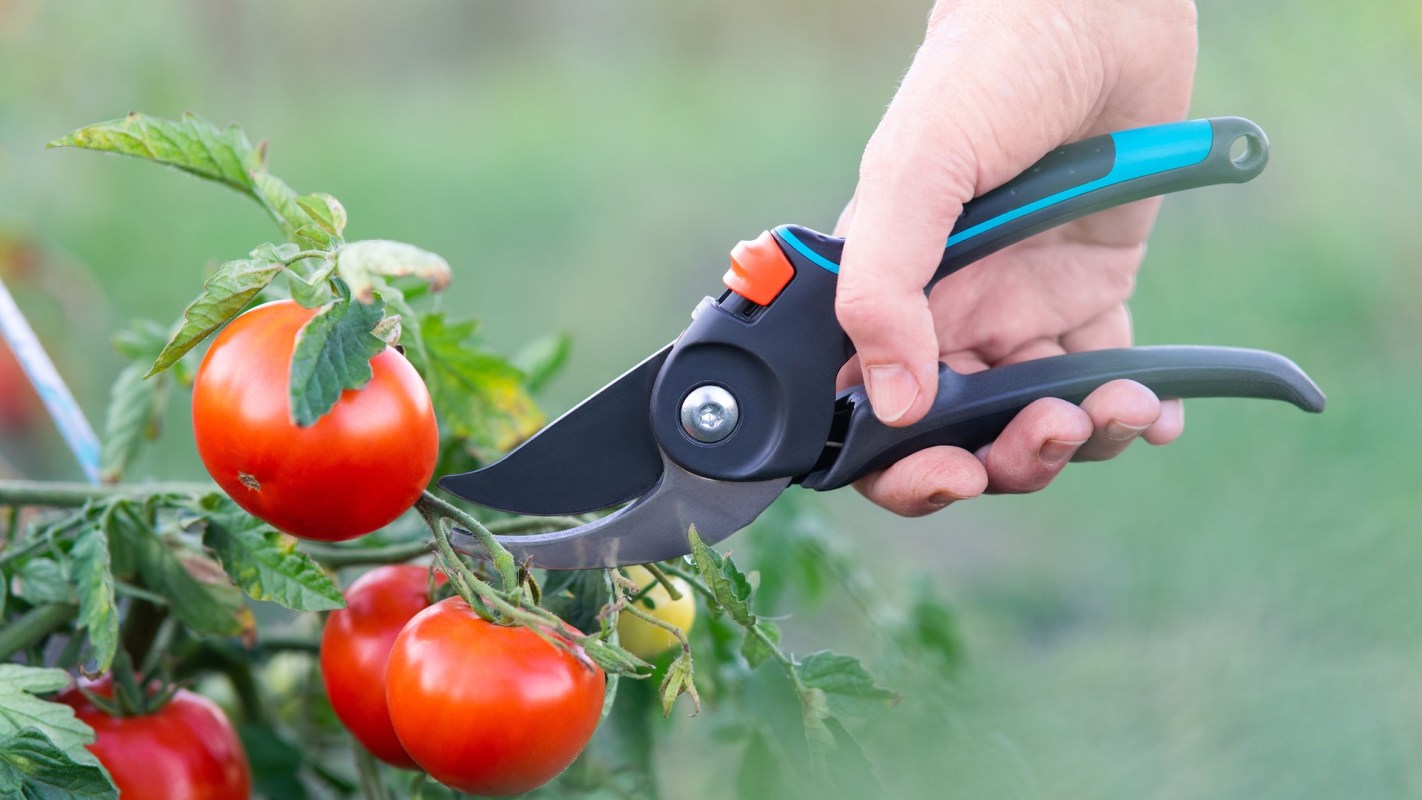
Gardeners are often told that pinching off tomato suckers will strengthen plants and improve the crop, but that advice may be overstated.
For many people growing tomatoes at home, the practice can mean extra effort while reducing the total number of tomatoes they harvest.
As AOL reported, pruning tends to make far more sense for commercial growers trying to maximize greenhouse space than for backyard gardeners who simply want a plentiful harvest.
What's happening?
In tomato gardening, pruning usually means removing the side shoots known as suckers.
Frank Hyman, author of Ripe Tomato Revolution and a former organic tomato farmer, explained it to the outlet this way: "New leaves grow between the main stem and the horizontal branch at a 45-degree angle. That's what people mean when they refer to suckers."
For large-scale growers, that practice can be useful. By keeping tomato plants to a single stem, commercial operations can fit more plants into their growing spaces.
TCD Picks » Quince Spotlight
💡These best-sellers from Quince deliver affordable, sustainable luxury for all




Home gardeners may see little benefit from it, though. Peer-reviewed research has found no meaningful production gap between pruned plants and those left alone, and every stem can make flowers and fruit.
That means removing suckers may reduce your total number of tomatoes, even if it increases the size of some.
Variety matters too. Per AOL, dwarf and determinate varieties of tomatoes are generally better left unpruned, while indeterminate plants are the main type gardeners may decide to trim.
Why does it matter?
If the goal is a larger harvest, aggressive pruning may undermine that instead of helping.
Some gardeners also choose to prune to improve airflow in humid climates, where tomatoes can be vulnerable to disease. But that benefit is not guaranteed, and repeated trimming creates fresh wounds.
If you want more fruit, it may make sense to leave the suckers alone, especially on dwarf or determinate varieties. But if you live in a humid climate and want to try pruning indeterminate plants, doing it sparingly may be the best option.

Get TCD's free newsletters for easy tips, smart advice, and a chance to earn $5,000 toward home upgrades. To see more stories like this one, change your Google preferences here.






