


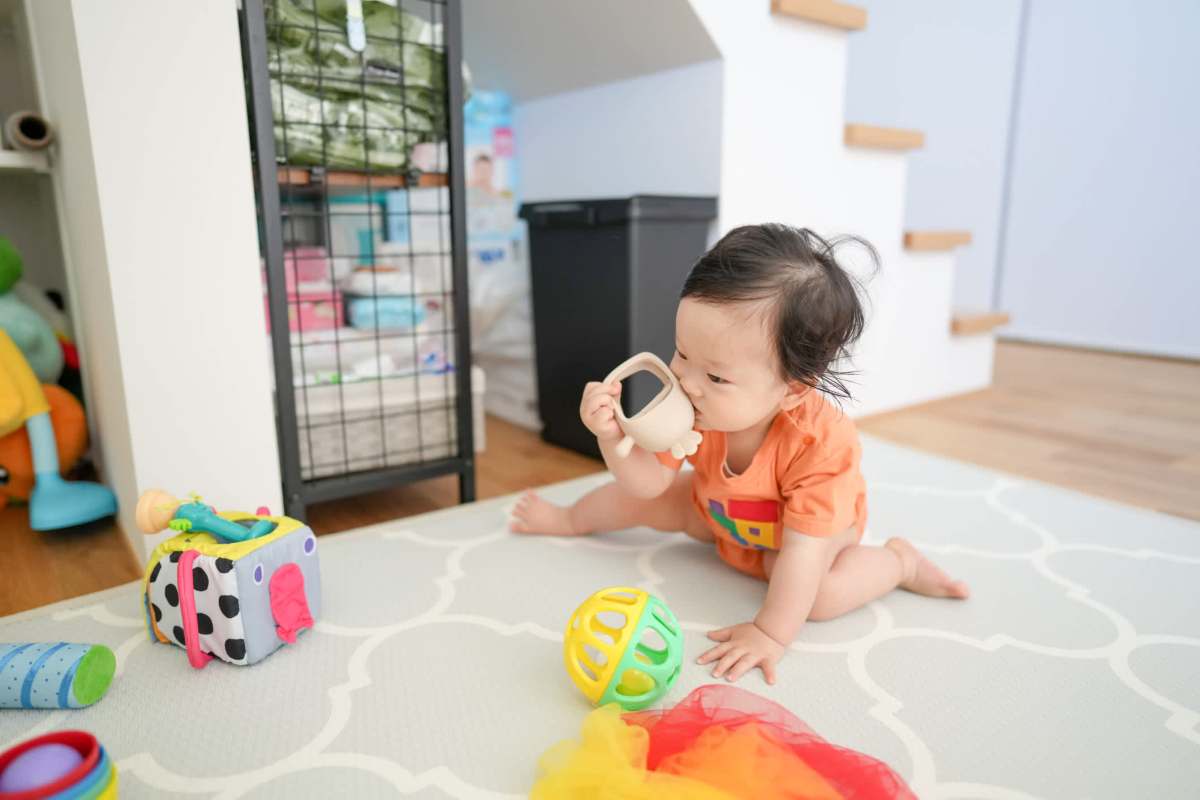
Federal safety officials warn parents that toys that look safe on the shelf can break apart during normal play and create choking hazards that may not be obvious until it's too late.
What's happening?
Roughly 15 children in the United States die from choking each year before age three. Parents often watch for marbles, balloons, and bouncy balls, but officials say lesser-known dangers can also come from familiar toys and everyday household items.
As WBIW reported, the U.S. Consumer Product Safety Commission is highlighting products that can release hazardous small pieces through ordinary use.
The agency evaluates those risks with the CPSC Small Parts Cylinder, which is sized to reflect the throat of a child younger than three. If a toy or toy component meant for that age group fits entirely inside the cylinder, federal law bans it.
CPSC recalls issued in 2025 and 2026 have involved wooden activity cubes, stroller-and-doll toy sets, busy boards, ball-pounding toys, magnet rod-and-ball kits, and peg dolls. In many of these cases, choking hazards came from tiny parts such as beads, rounded ends, or detachable balls.
Why does it matter?
Large, seemingly innocent toys can become dangerous. For babies and toddlers, cracked plastic, loose stitching, weakened glue, or accessories that break away can quickly create a serious risk.
TCD Picks » Quince Spotlight
💡These best-sellers from Quince deliver affordable, sustainable luxury for all




Toys labeled for children three and older are often picked up by younger siblings regardless of the age labels that state safety standards and developmental readiness.
Boxes and product images show how a toy looks when new, not how wear and tear can eventually create detachable small parts that can become life-threatening to their target audience.
What can I do?
Safety officials advise parents and caregivers to follow age labels carefully and keep toys meant for older children away from babies and toddlers.
Regular checks at home can help too, especially for splits, loose seams, or worn joints that could let small parts come free.
Latex balloons also require extra caution. Uninflated balloons and broken balloon fragments remain a major cause of toy-related choking deaths among young children.
Even a toy marketed as safe for toddlers can become a "fatal choking hazard" if it breaks apart and produces pieces that can "completely block a young child's airway."
Families can use SaferProducts.gov to see whether a toy in the home has been recalled. Unsafe child products, toy defects, and product-related injuries can also be reported there or through the CPSC Hotline at 800-638-2772.

Get TCD's free newsletters for easy tips, smart advice, and a chance to earn $5,000 toward home upgrades. To see more stories like this one, change your Google preferences here.






