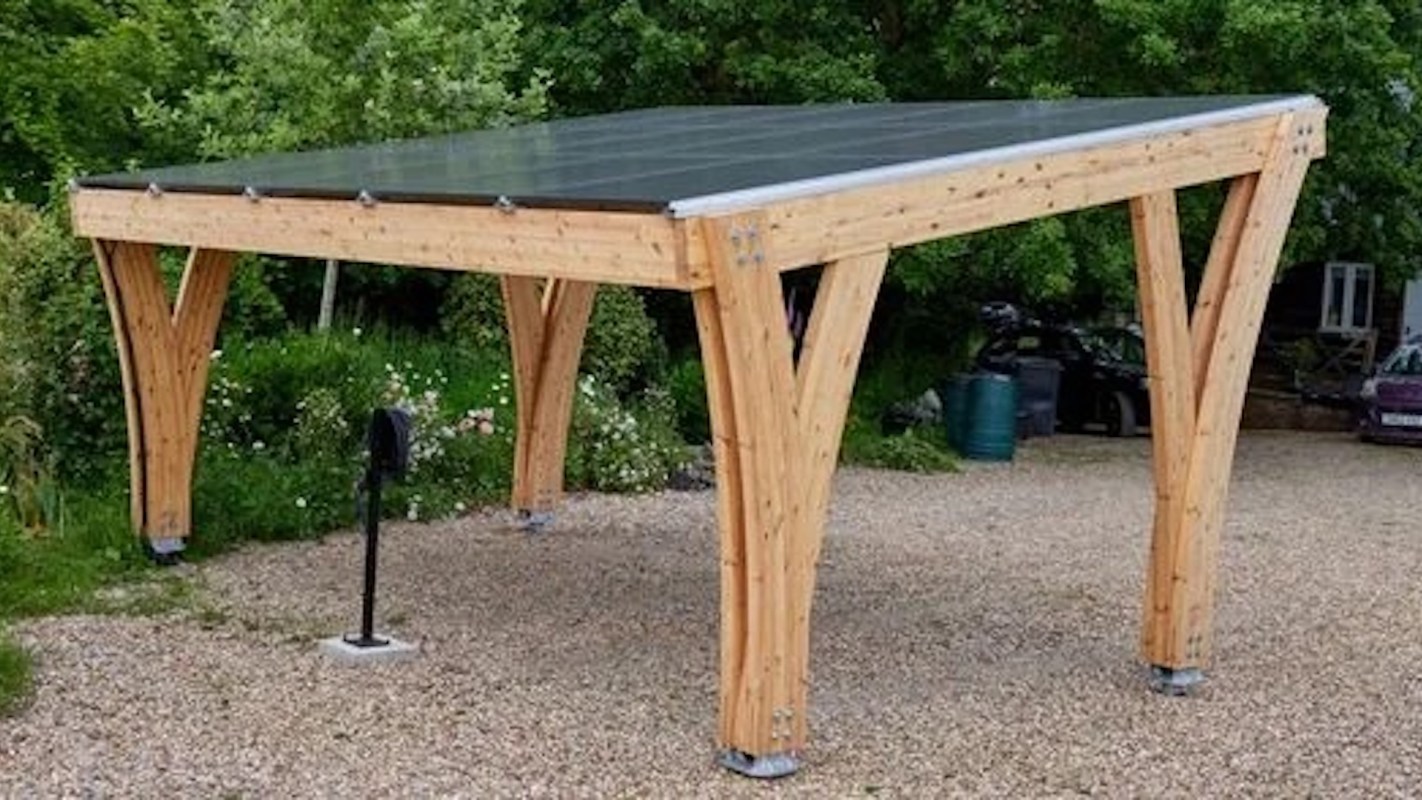
Building a solar carport can seem like a smart way to generate clean energy, but as one construction professional found, the process can become much more complicated when a custom timber frame runs into certification requirements tied to exporting power back to the grid.
Here's what to know
In a Reddit post, the poster explained that they were looking into building a timber-framed carport with solar panels on the roof.
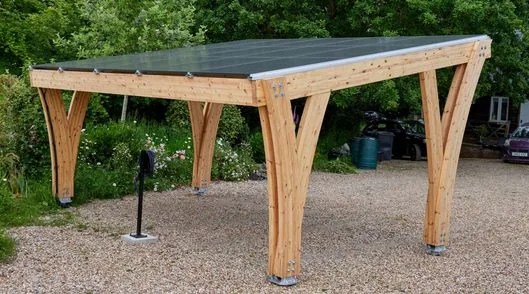
"My business is construction, so doing the build of the frame is no issue. I would be looking to get an external installer for the solar and battery," they wrote.
"What I am not sure about is the requirements for the frame in terms of regulations. I am aware that in order to export energy back to the grid you need an "MCS accredited" install. It's my understanding that the installer needs to be MCS-registered, and they need to use MCS accredited mounting frames."
They then asked if there were requirements for the frame construction and for advice from anyone who had gone through a similar process.
"You can get 'car port' fixings that will attach to any suitable frame. Solar-port makes steel car port frames," one commenter replied, adding, "I think you would either have to have the building signed off by a structural engineer or use an approved structure to begin with."
The exchange points to a challenge for some considering solar — the structure beneath the panels can affect whether an installer is willing to take on the project. Going solar is one of the best ways to save money on home energy, and if you're considering it for your home, you can explore EnergySage to get free solar installation estimates and compare quotes.
More background
Solar carports can be especially appealing for households that do not have an ideal roof for panels because of shading, size, age, or orientation.
Save $10,000 on solar panels without even sharing your phone number Want to go solar but not sure who to trust? EnergySage has your back with free and transparent quotes from fully vetted providers that can help you save as much as $10k on installation. To get started, just answer a few questions about your home — no phone number required. Within a day or two, EnergySage will email you the best local options for your needs, and their expert advisers can help you compare quotes and pick a winner. |

However, custom builds often bring added complications. A solar installer may require specific loading, mounting, spacing, or weatherproofing standards before agreeing to install panels on a timber frame, particularly when batteries and grid export are involved.
Someone may be fully capable of building the structure itself, but if the finished frame does not match an installer's specifications, the project could end up costing more or requiring redesigns before it can move forward.
What can be done?
One of the most effective steps is to involve a solar installer before construction begins. Asking for written structural and mounting requirements in advance can help prevent wasted materials, delays, and costly surprises when it is time to connect the system.
Adding battery storage to a solar setup is also a great way to protect your home during outages and save additional money on energy. Home batteries can also help you use more of your own solar power after sunset instead of relying as heavily on the grid. You can explore EnergySage for information about home battery storage options, including competitive installation estimates.
More From EnergySage
💡Go deep on the latest news and trends shaping the residential solar landscape
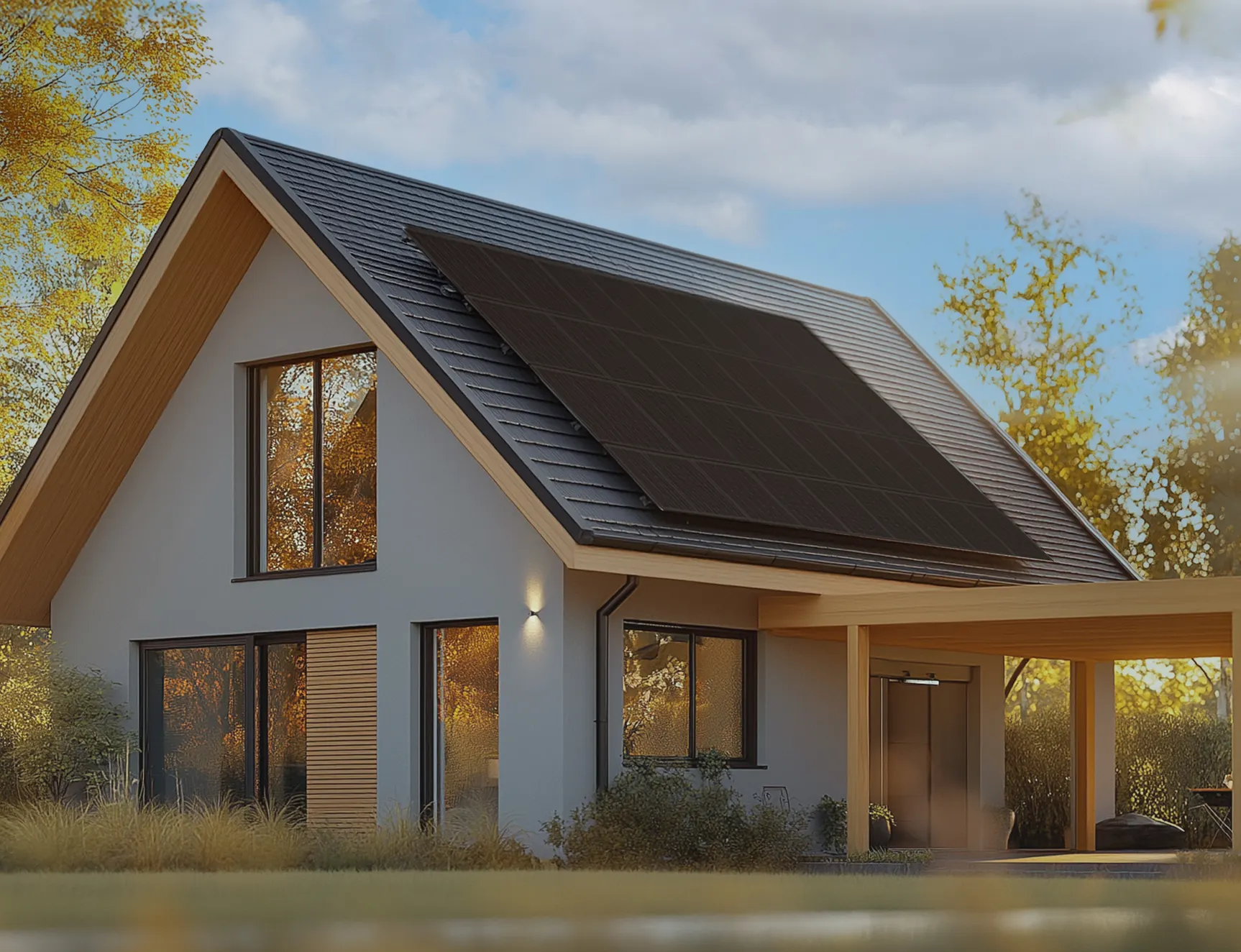
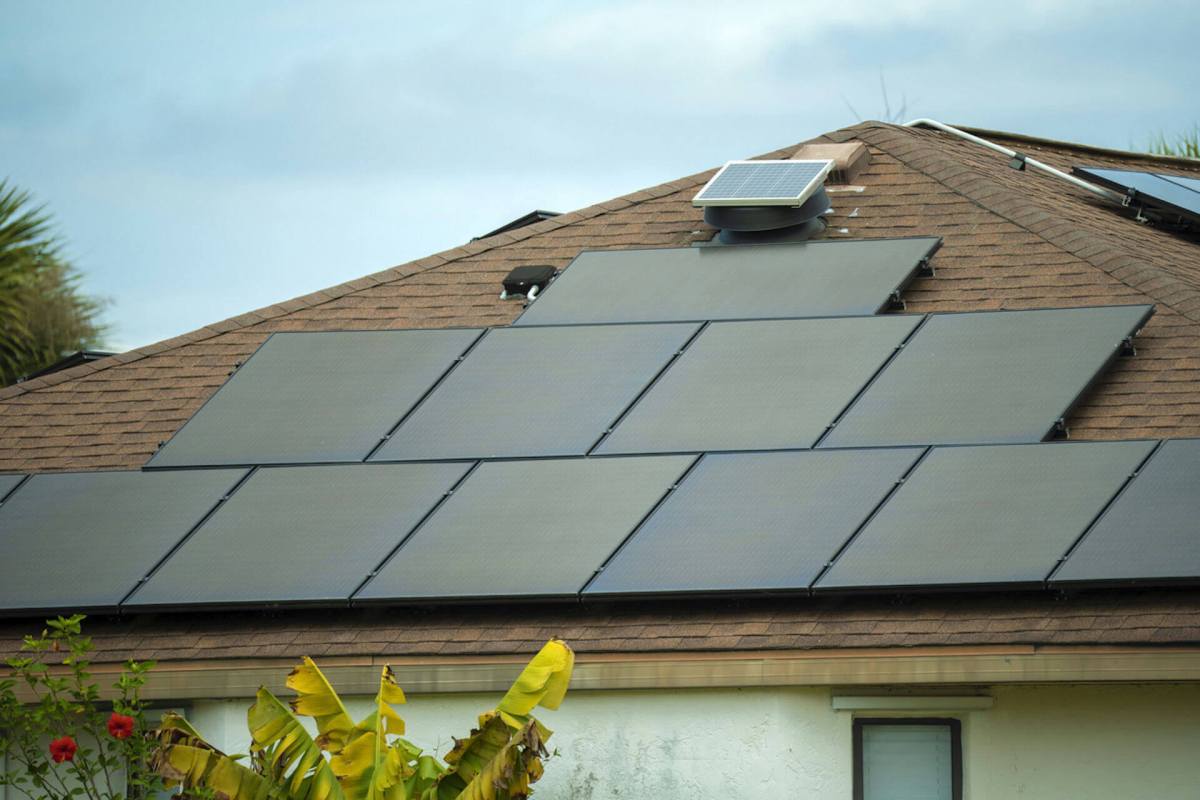

The company's free tools can also make the financial side easier to understand. EnergySage's solar map shows the average cost of a home solar panel system by state, as well as details on solar panel incentives for each state. Together, these resources can help you get the best price for rooftop solar panels and access available incentives.
EnergySage's free services can be especially helpful for people comparing quotes and trying to understand total project costs before making a decision. With EnergySage's help, the average person can save up to $10,000 on solar purchases and installations.

Get TCD's free newsletters for easy tips, smart advice, and a chance to earn $5,000 toward home upgrades. To see more stories like this one, change your Google preferences here.