


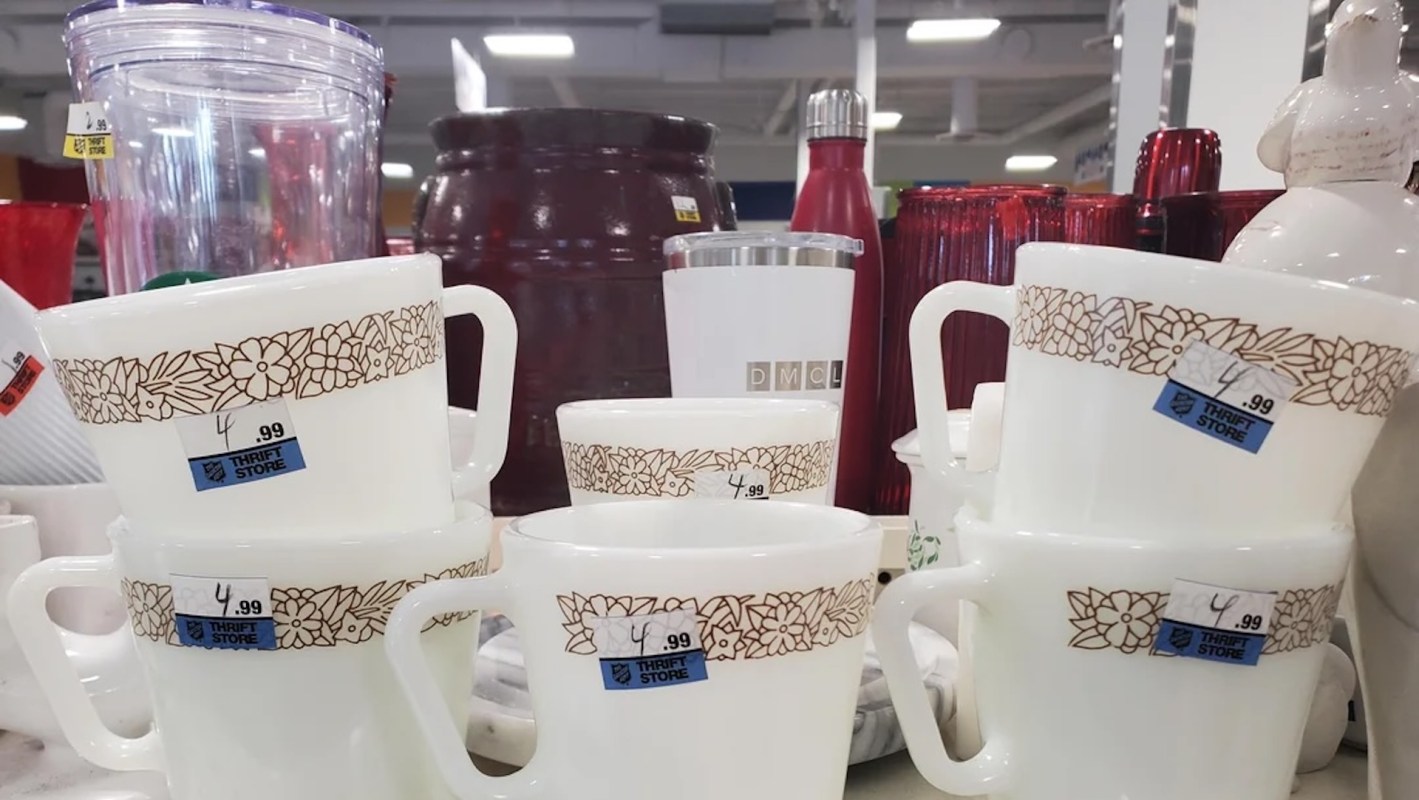
The rise of secondhand shopping has made thrifting a go-to way for many people to spend less and create less waste, but some shoppers say there is a downside.
In a Reddit thread posted in r/ThriftGrift, users complained that everyday used kitchen items were being tagged more like antique pieces.
Here's what to know
The original poster titled their post, "I knew they were catching on to vintage being popular, but this is crazy...."
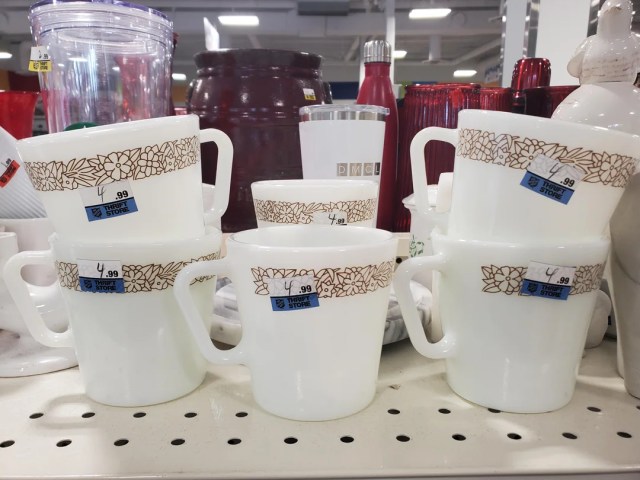
The six mugs pictured each have a price tag of $4.99. Many other shoppers similarly felt that that pricing was way too high.
One commenter wrote, "Just because it's vintage doesn't make it popular. Those won't sell at that price and might not sell at a lower price."
In their local thrift store, another person shared, "But [the old mugs] were all priced around $7.99-$12.99. All of them, even the s***** christmas mugs you see everywhere."
TCD Picks » Quince Spotlight
💡These best-sellers from Quince deliver affordable, sustainable luxury for all




A third commenter added, "Destined for the landfill even at half price."
More background
Buying secondhand can help people save money on everyday necessities and give usable items a longer life and reduce waste.
You can also sometimes uncover rare or genuinely valuable finds at steep discounts at thrift stores. But as many of these users explained, some stores seem to be aggressively pricing even more widely available items.
When a used mug costs nearly as much as a new one, the value of thrifting starts to vanish. That can strain household budgets and undercut the environmental advantage of thrift shopping. Thrift stores can become a more effective part of a circular economy when they price fairly.
Where can I learn more?
As people noted in their comments, this certainly isn't the first time a thrift store has priced items this way.
• Across U.S. thrift aisles, price tags left shoppers in awe as basic donations neared boutique rates.
• Shoppers nationwide said a huge change in thrift stores now includes pricier, lower-quality stock.
• At one secondhand clothing store, a shockingly overpriced item convinced shoppers resale prices had gone fully boutique.
It's also good to remember to be aware of what you consume. Only buying what you need can help you save money and avoid overconsumption.

Get TCD's free newsletters for easy tips, smart advice, and a chance to earn $5,000 toward home upgrades. To see more stories like this one, change your Google preferences here.






