


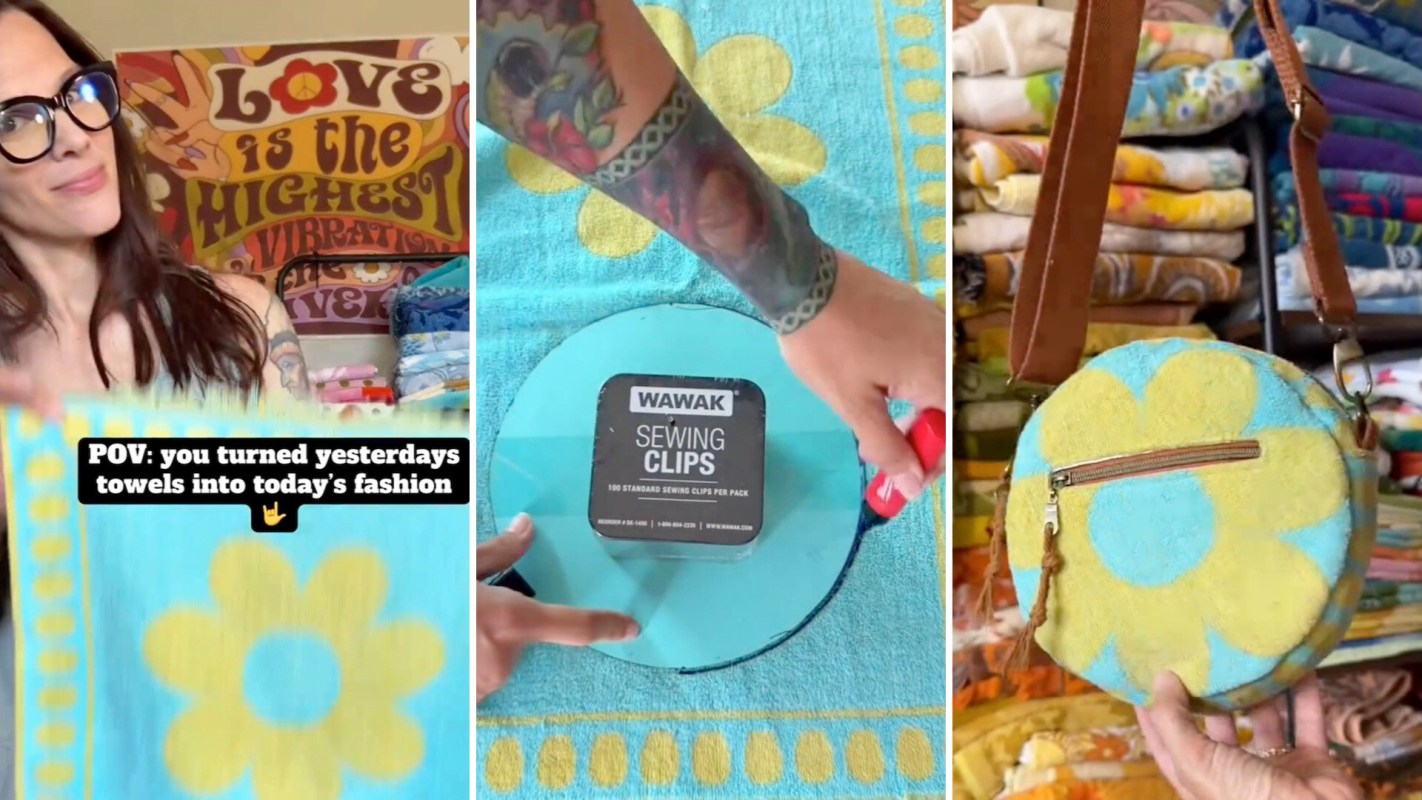
One creator recently showed in a TikTok how a thrift store find can turn into a stunning work of art.
What happened?
Luna.lisa.rewind (@luna.lisa.rewind) shared a makeover in a video on TikTok, showing viewers how upcycling can turn a towel into something fashionable.
@luna.lisa.rewind Slow fashion looks a little like this..🤎 My favorite part is taking something that was once loved & turning it into something entirely new so that it can be loved again. Oneeee old towel at a time. P.s. This groovy daisy circle bag will be available in tomorrow's auction on ig 🌼 #upcycling #thriftflip #slowfashionmovement ♬ sonido original - electronico22
Like many of the creator's flips, this video shows a towel turning into a cute bag.
"Thrift flips" are a growing part of secondhand fashion culture. Shoppers use resale clothing or older textiles as material for something different instead of buying new. The idea is to remake pieces that may look dated or worn so they become distinctive, wearable artwork.
This approach can be appealing for consumers looking for a project and to stretch their budgets. A thrifted piece often costs far less than a new, trend-driven item at retail, and reworking it can result in something more distinctive than what is hanging on typical store racks.
One commenter wrote, "I am totally obsessed with this bag!! well done!!"
TCD Picks » Quince Spotlight
💡These best-sellers from Quince deliver affordable, sustainable luxury for all




Another commenter said, "That pattern was my bedding in the seventies. The towels were my curtains."
How is this helpful?
Clothing waste is a major problem, and fast fashion has made it easier than ever to buy cheap garments that are worn briefly before being tossed.
Upcycling helps push back on that destructive cycle in a personal way. Reusing fabric that already exists can reduce the need for newly produced materials while also helping shoppers avoid paying for trendy pieces they may only wear a handful of times.
Thrift flips give people a chance to create clothes that feel more personal, whether that means preserving a vintage print or improving its fit.
What can I do?
The easiest place to start is with what is already in the closet. Oversized shirts, dresses that no longer fit quite right, or damaged pieces with good fabric can all be candidates for simple remakes.
Thrift stores, flea markets, and clothing swaps can also be good sources for low-cost materials. Shopping secondhand first can save money upfront, and it lowers the pressure to get every project perfect on the first try.
Beginners do not need advanced sewing skills to join in. Shortening hems, removing sleeves, or adding patches can all give older items a fresh look without a full redesign.
If a project feels too ambitious, local tailors and community sewing spaces can help. Your local library may have resources you can use, too.
No matter what you decide to do, even choosing to mend or alter one item instead of buying new can keep usable clothing in circulation longer while also saving cash.

Get TCD's free newsletters for easy tips, smart advice, and a chance to earn $5,000 toward home upgrades. To see more stories like this one, change your Google preferences here.






