


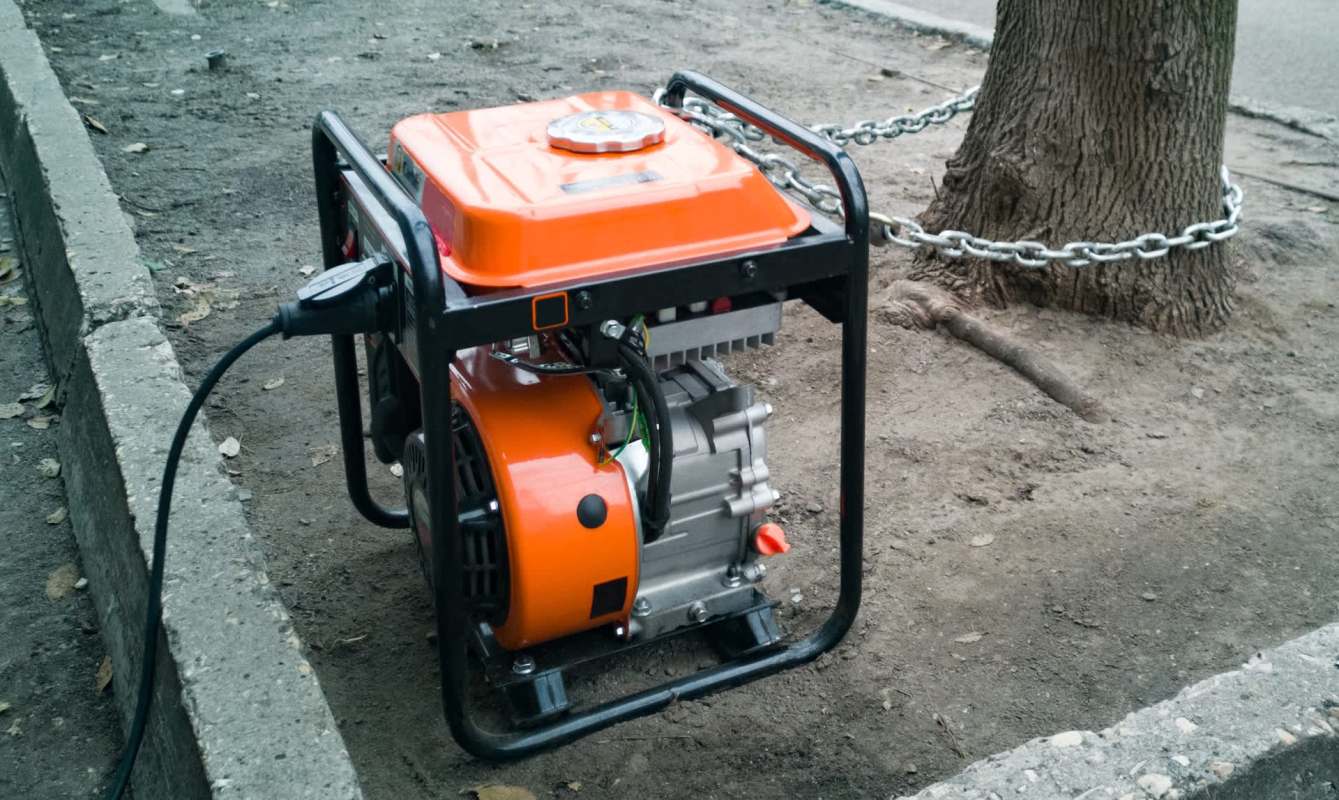
During a prolonged blackout, protecting backup power may require more than a chain and lock. It may also mean weather protection, ventilation, and a safer place to run the unit.
One Texas homeowner looking for a simple anti-theft fix for a smart generator got a broader lesson instead when they took their question to Reddit's r/EcoFlow_Community.
Here's what to know
The discussion on Reddit began with a Texas buyer who said the generator was meant to work with a power station during outages that last "around 2-4 days."
The original poster wrote, "During the times when it's not in use it'll just be sitting in the garage, but I keep hearing stories about people stealing generators during outages… What's the best way to protect [it] from theft during an outage where it'll probably be left outdoors?"
Replies quickly moved beyond theft to another issue, with several users saying the generator shouldn't be left uncovered outside.
One commenter wrote, "Keep in mind this thing isn't outdoor rated. It needs to be in a garage (door open) or shed, etc."
TCD Picks » Quince Spotlight
💡These best-sellers from Quince deliver affordable, sustainable luxury for all




Another commenter added a technical warning, writing, "It's IP23 rated which is light rain. It's got a bunch of electronics. It's not an old school gas generator." A third user added, "You can buy covers for them… I bought a $200 portable cover for it to protect it from the rain and anchored it to the ground with spiral stakes. It's done wonders to protect it from the few times it's rained since I bought it."
More background
For households trying to keep food cold, phones charged, and internet service running, losing a backup unit can turn an already stressful blackout into a much costlier problem.
The advice in the thread went beyond relying on a heavy-duty chain and lock alone. Commenters also pointed to ground anchors, a weather cover, and a lockable detached shed or similar ventilated structure for situations where the generator may need to remain outside for days.
One user even suggested adding digital deterrents, suggesting a "Hidden GPS Tracker (AirTag / SmartTag), external alarm with shock sensor, camera systems with internal battery, remote monitoring via app… Lock the generator in the building and use an exhaust pipe extension."
Where can I learn more?
These articles explore why some homeowners look for quieter enclosures, easier-to-handle equipment, or alternatives that reduce generator runtime altogether.
• Generator owners debating noise, airflow, and warranty risk are confronting the same enclosure problem.
• In Texas, one homeowner found a 190-pound generator could complicate overnight blackout plans.
• Tesla's Cybertruck can power your home, though the price keeps it a niche backup.
If you're planning for a multi-day outage, stopping theft is only one part of keeping the power on.

Get TCD's free newsletters for easy tips, smart advice, and a chance to earn $5,000 toward home upgrades. To see more stories like this one, change your Google preferences here.






