


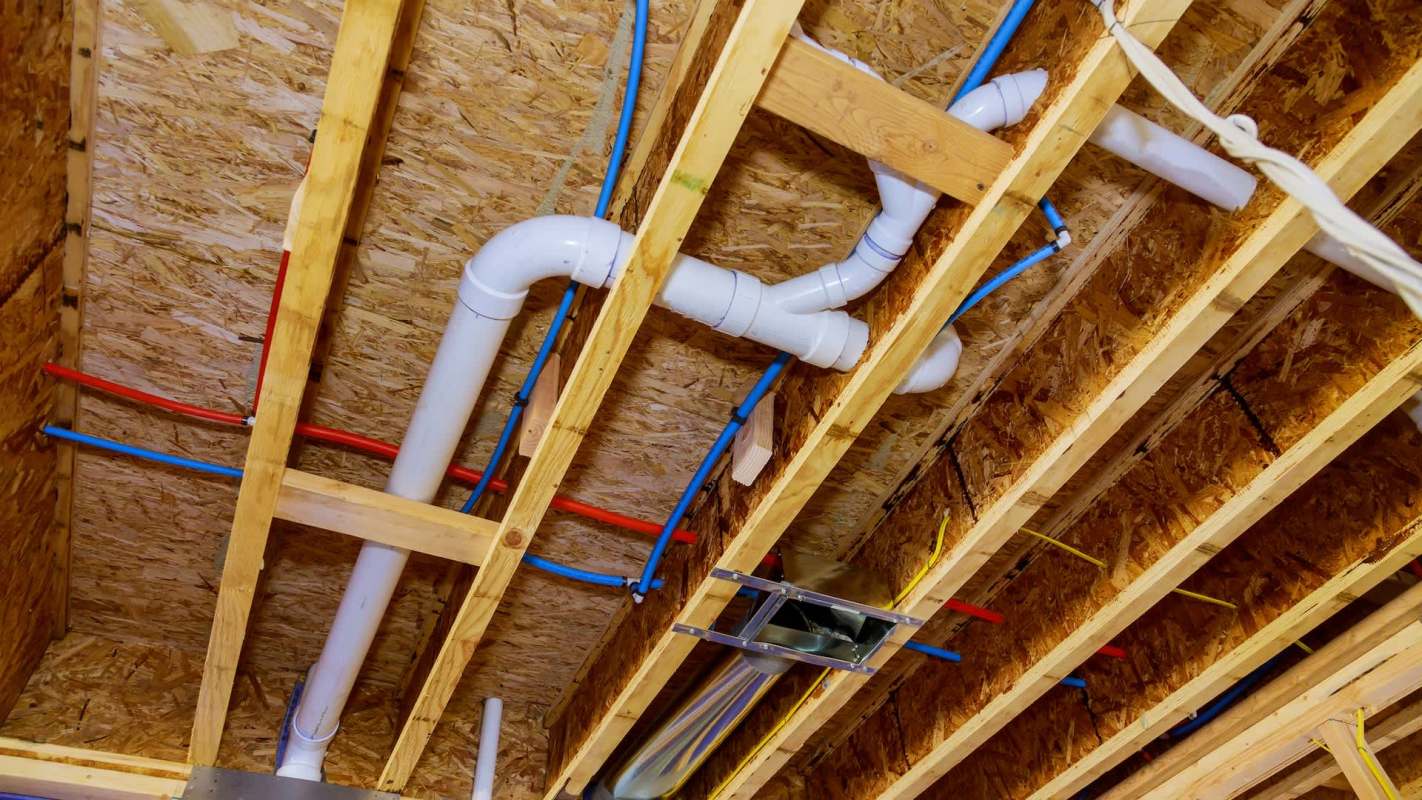
A Texas resident sparked a lively discussion on Reddit after asking whether it would be worth it to cover their attic's hot and cold water pipes with foam insulation to presumably help with energy efficiency and how the water feels.
Here's what to know
The discourse began on Oct. 29, when a homeowner posed a question to the r/HomeImprovement community.
"Would insulating the hot and cold PEX lines that feed my bathroom with foam make sense?" they asked.
The homeowner's guests and children away at college used the other bathrooms, leaving the shower farthest from the heater as the only one used daily. The Texas home's pipes ran through an attic without insulation, and as the colder months are now setting in, they wanted to know if they could expect a meaningful difference in water temperatures if they went to the trouble and expense of insulating the pipes.
The advice they got, by and large, was to invest in the insulation, especially since foam pipe insulation is generally inexpensive.
A severe Texas freeze had left one commenter's neighbors with burst pipes — a much bigger problem than merely weak hot water from a shower and something that insulation can absolutely help to prevent. Another pointed to spaces without heating or cooling as places where pipe insulation could help.
TCD Picks » Quince Spotlight
💡These best-sellers from Quince deliver affordable, sustainable luxury for all




"Yes, it's a good idea even in warmer locations to insulate piping through unconditioned spaces," they offered. "Freezing, condensation, and general wear on piping can be limited with insulation."
One commenter explained that their wife adds hot water twice during long baths. Before insulating the pipes along their basement ceiling, they had to flush out the cooled water before each refill.
Topping off the bath no longer required flushing the pipes once they were insulated, the commenter reported, as the water remained warm enough to use.
More background
Another Texas resident said they have "the opposite problem," with "zero cold water" for six months of the warmer part of the year. They described the challenge of keeping water cool during those months.
"For six months out of the year, we have zero cold water," they wrote. "Yes, you read that right, absolutely no cold water. It's not even cold-ish. It's lukewarm. This makes laundry and showering unpleasant."
At a previous home, the original poster sometimes had to run the tap until water from underground pipes near the meter reached the shower. The other option was to shower early. They said adequate attic ventilation kept their current home from having the same cold-water problem.
What can be done?
In the discussion, people described insulating accessible pipes in crawl spaces, basements, and attics.
"Always interesting to hear about building practices in other climates," a user wrote. "Could not get away with pipes in unconditioned spaces where I live, even if you insulated them."
Winter performance improved noticeably after one commenter insulated the pipes in their crawl space.
"On below freezing nights, the hot water went from luke hot to normal hot," they said
Another option was a post about a recirculating pump that piqued the original poster's interest. They expressed openness to it, though they received advice to use a timer, and a warning that some hot water could go into the cold lines.
Where can I learn more?
Hot attics, damaged pipes, and missing insulation can cause problems beyond lukewarm tap water.
• A Texas homeowner's attic topped 150 degrees, prompting commenters to recommend better ventilation.
• A homeowner found a burst pipe crumbling inside, and professionals questioned the tubing choice.
• After two summers of drips, a homeowner opened the ceiling and found no duct insulation.

Get TCD's free newsletters for easy tips, smart advice, and a chance to earn $5,000 toward home upgrades. To see more stories like this one, change your Google preferences here.






