


For people who spend most of the workday away from home, shifting electricity use to a different rate schedule may meaningfully reduce summer costs.
In North Texas, one resident said that pairing a time-of-use plan with after-dark chores and cooling lowered a monthly electric bill from $210 to $130.
What happened?
According to a post on Reddit, the switch to a time-of-use electricity plan happened at the beginning of summer.
Instead of paying a flat 19.32 cents per kilowatt-hour all day, the household moved to a split rate: 10.28 cents per kilowatt-hour from 8 p.m. to 8 a.m. and 30.08 cents per kilowatt-hour from 8 a.m. to 8 p.m.
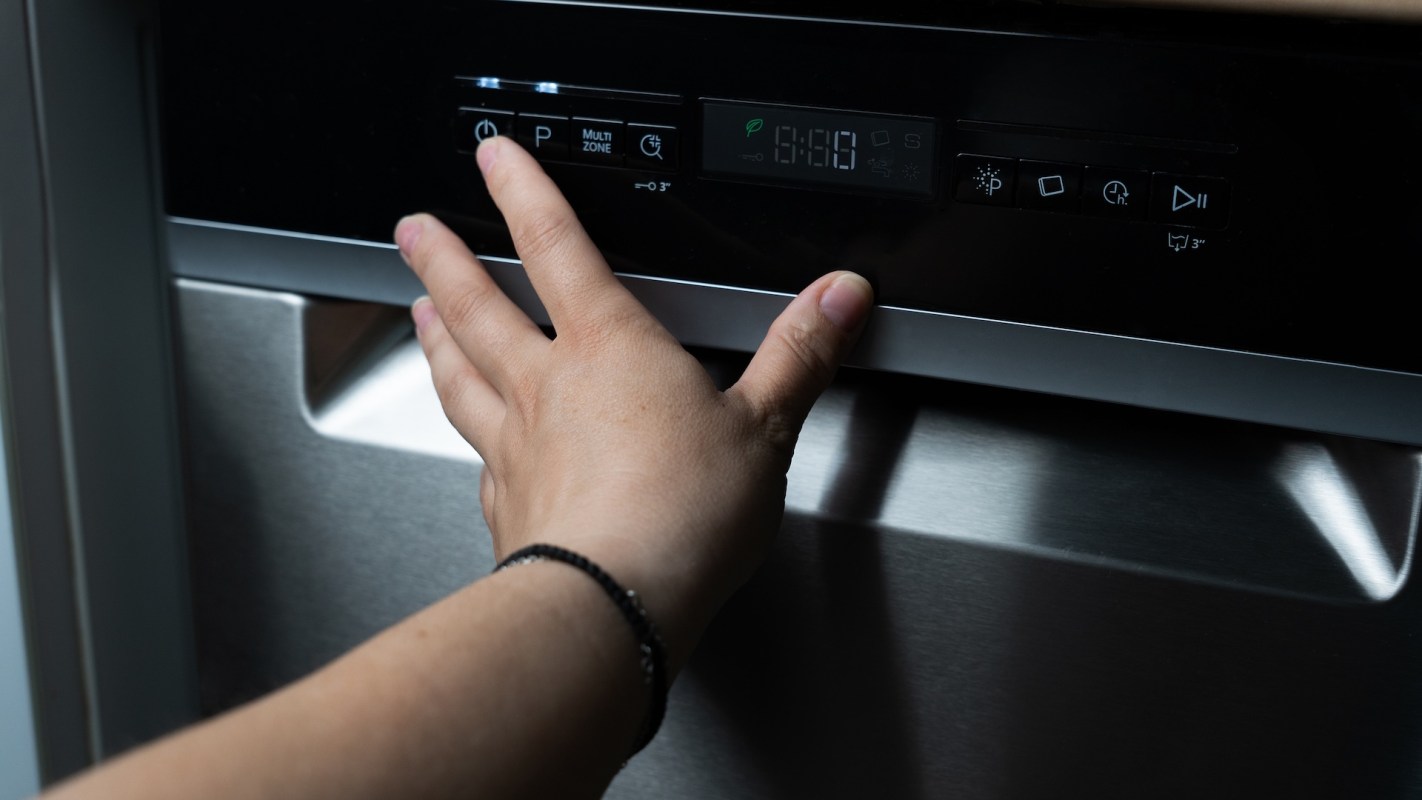
The household's daytime absence is what made the new setup useful. By pushing laundry, dishwashing, much of the cooking, and heavier overnight air-conditioning into the lower-cost window, they were able to take advantage of the cheaper hours.
"This month my bill was down almost 60% from last year ($210 down to $130) with only some minor lifestyle changes," the poster wrote, adding, "Hoping this helps a few people explore your options and save a few extra dollars!"
For households whose biggest electric load is heating and cooling, upgrading to an energy-efficient heat pump instead of a traditional HVAC system can amplify savings like these. Homeowners looking to compare options can use EnergySage's Heat Pump Marketplace.
At a smaller scale, Merino offers more affordable single-room HVAC systems, which may help people avoid cooling unused parts of a home during expensive peak periods.
Save $10,000 on solar panels without even sharing your phone number Want to go solar but not sure who to trust? EnergySage has your back with free and transparent quotes from fully vetted providers in your area. To get started, just answer a few questions about your home — no phone number required. Within a day or two, EnergySage will email you the best options for your needs, and their expert advisers can help you compare quotes and pick a winner. Solar panels can save you more than $50k over their 25-year lifespan, and EnergySage can help you save as much as $10k on installation. Which begs the question — isn't that worth an email or two? |

Why does it matter?
Time-of-use pricing is becoming more common as utilities try to reduce strain on the grid during high-demand periods. Depending on when electricity is used, it can lower bills or raise them.
Commenters noted that the strategy does not work for everyone.
One wrote, "Even if I shifted when I consumed, I think the on-peak consumption would easily wipe out any savings from the off-peak because the differential is so much higher."
Another said, "I just turn off my ac completely and don't run appliances during the 6-9 pm summer window. I'm saving a ton of money on it."
What can I do?
Compare a flat-rate plan with every time-of-use option a utility offers. It also helps to look at when a home uses the most electricity. Appliances with delay-start settings, smart thermostats, and overnight charging can make shifting usage much easier.
For homeowners interested in pairing lower electricity use with home power generation, EnergySage also offers a free solar quote comparison tool that can help homeowners save up to $10,000 on solar purchases and installation costs.
And if heating and cooling are driving most of your bill, reducing that demand can matter just as much as changing your rate plan. Consumers considering an HVAC upgrade can compare systems through EnergySage's Heat Pump Marketplace before deciding what setup makes the most sense.

Get TCD's free newsletters for easy tips, smart advice, and a chance to earn $5,000 toward home upgrades. To see more stories like this one, change your Google preferences here.






