


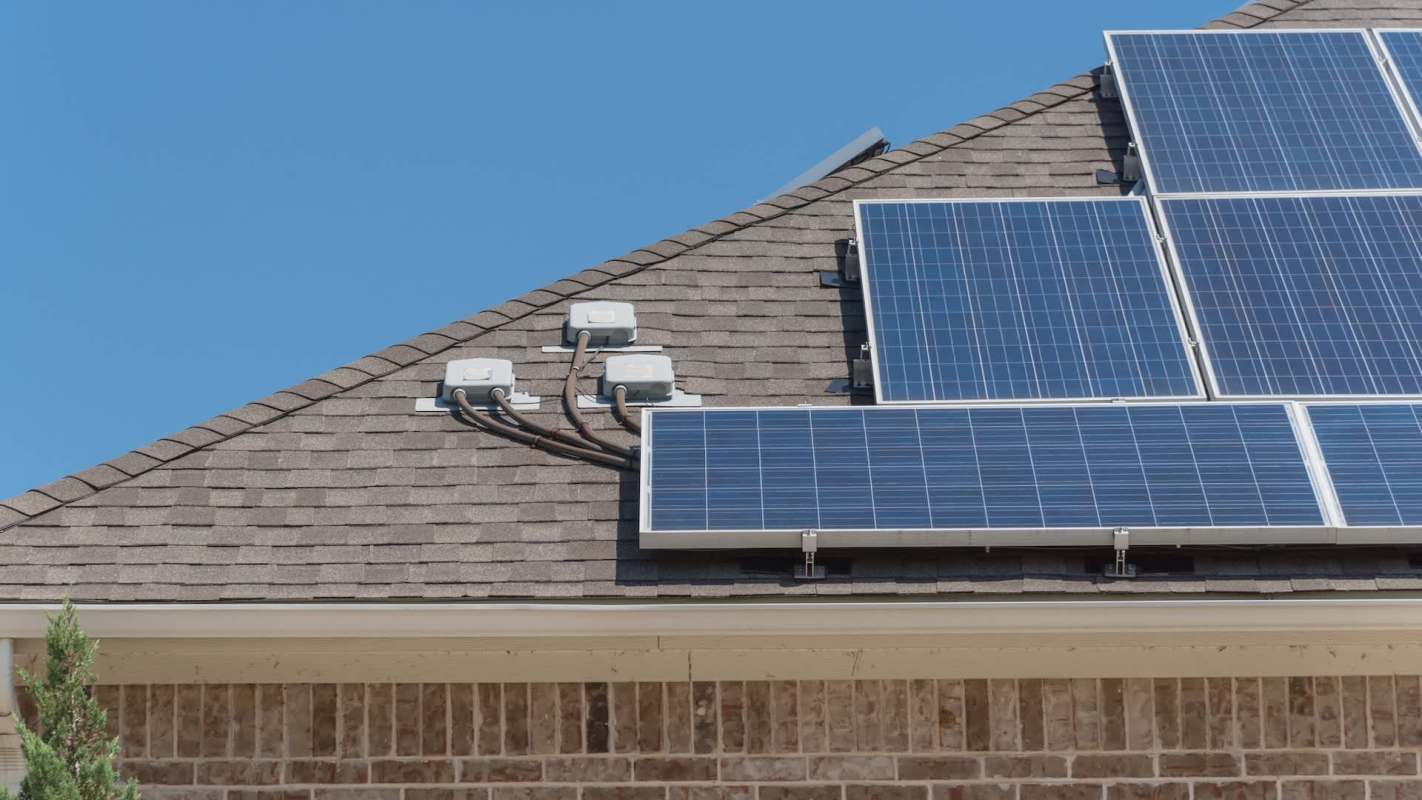
For one homeowner in North Texas, a 10-kilowatt solar array has now reached the five-year mark while still meeting the goals set at purchase.
The install is covering the home's yearly electricity needs and staying on pace for a 10-year return on investment, as they told the r/Solar community.
Here's what to know
In a Reddit post, the homeowner shared updated numbers from the system's latest 12-month stretch. In that period, the 10-kW array generated 14,815 kilowatt-hours, and the home used 13,503 kWh.
That meant the system's output exceeded the household's total electricity demand.
They also said their city-owned utility sends one monthly bill that includes electricity, water, trash, sewer, and other charges. When solar credits push the electric account into negative territory, the homeowner said that amount lowers the total due on the combined bill.
"I have just crossed 5 full years of solar and I could not be happier," they assessed.
A 10-kW setup like this can reduce home energy costs and create a success story like that of the original poster. Resources like EnergySage let shoppers get free solar installation estimates and compare quotes before deciding whether a cash purchase makes sense.
More background
Because the update comes after five full years of operation, it offers a longer-term view based on actual generation, usage, and billing results rather than assumptions made at installation.
Save $10,000 on solar panels without even sharing your phone number Want to go solar but not sure who to trust? EnergySage has your back with free and transparent quotes from fully vetted providers that can help you save as much as $10k on installation. To get started, just answer a few questions about your home — no phone number required. Within a day or two, EnergySage will email you the best local options for your needs, and their expert advisers can help you compare quotes and pick a winner. |

The original poster bought the system outright with cash, and it is lining up with the payback period.
They added that the payback window could shorten if utility costs keep climbing. As evidence, the homeowner pointed to past energy-rate increases, which is why they believe "higher rates must be coming soon."
The original poster also shared the backstory of their solar journey, including literally joining the solar company they hired. The company was impressed by their preparation and offered them a job after their two-hour consultation.
What can be done?
This example shows the value of aligning system size and payment approach with a household's energy needs. A commenter pointed to another way to pump up the gains.
More From EnergySage
💡Go deep on the latest news and trends shaping the residential solar landscape

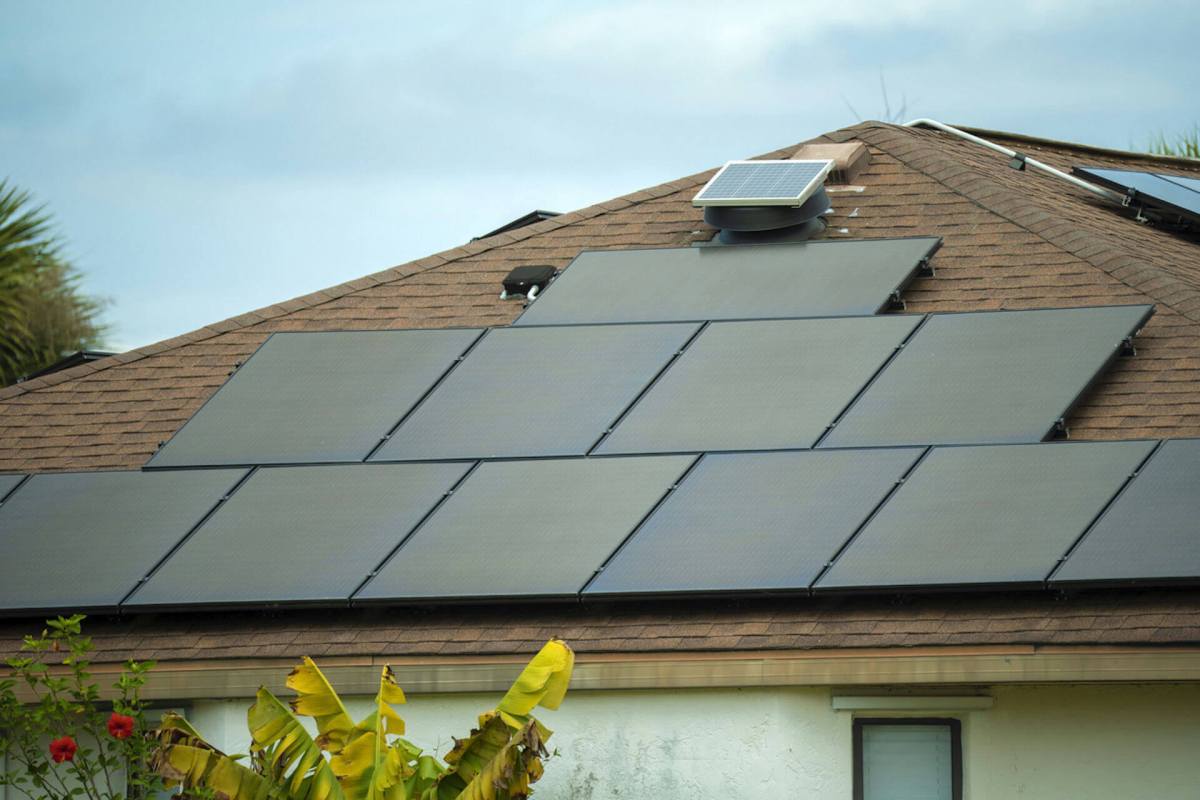


"Getting an EV (and ridiculous inflation) has moved up my 'ROI date' by several years, so I decided to order more panels and an expansion battery," they wrote.
Because the Reddit poster's results depend on savings built over several years, getting the price right at the start is critical. With EnergySage's help, the average person can save up to $10,000 on solar purchases and installations.
Homeowners comparing options can also use EnergySage's solar map, which shows the average cost of a home solar panel system by state and details solar panel incentives for each state. Together, those resources can help homeowners get the best price for rooftop solar panels and access available incentives.
Adding battery storage to a solar setup is one of the best ways to protect your home during outages, save money on energy, and go off-grid. For a household like this one, battery backup could add resilience on top of the bill savings already shown by the 10-kW array. Homeowners can explore EnergySage for information about home battery storage options, including competitive installation estimates.
Where can I learn more?
Rooftop solar can affect real homeowners' utility bills and backup power, while delivering long-term payback ahead of schedule.
• In Australia, one month hit $545 in credit as a 20 kW system shrugged off blackouts.
• In Florida, Vinny's pitch turned an $800 power bill into a $300 credit.

Get TCD's free newsletters for easy tips, smart advice, and a chance to earn $5,000 toward home upgrades. To see more stories like this one, change your Google preferences here.






