


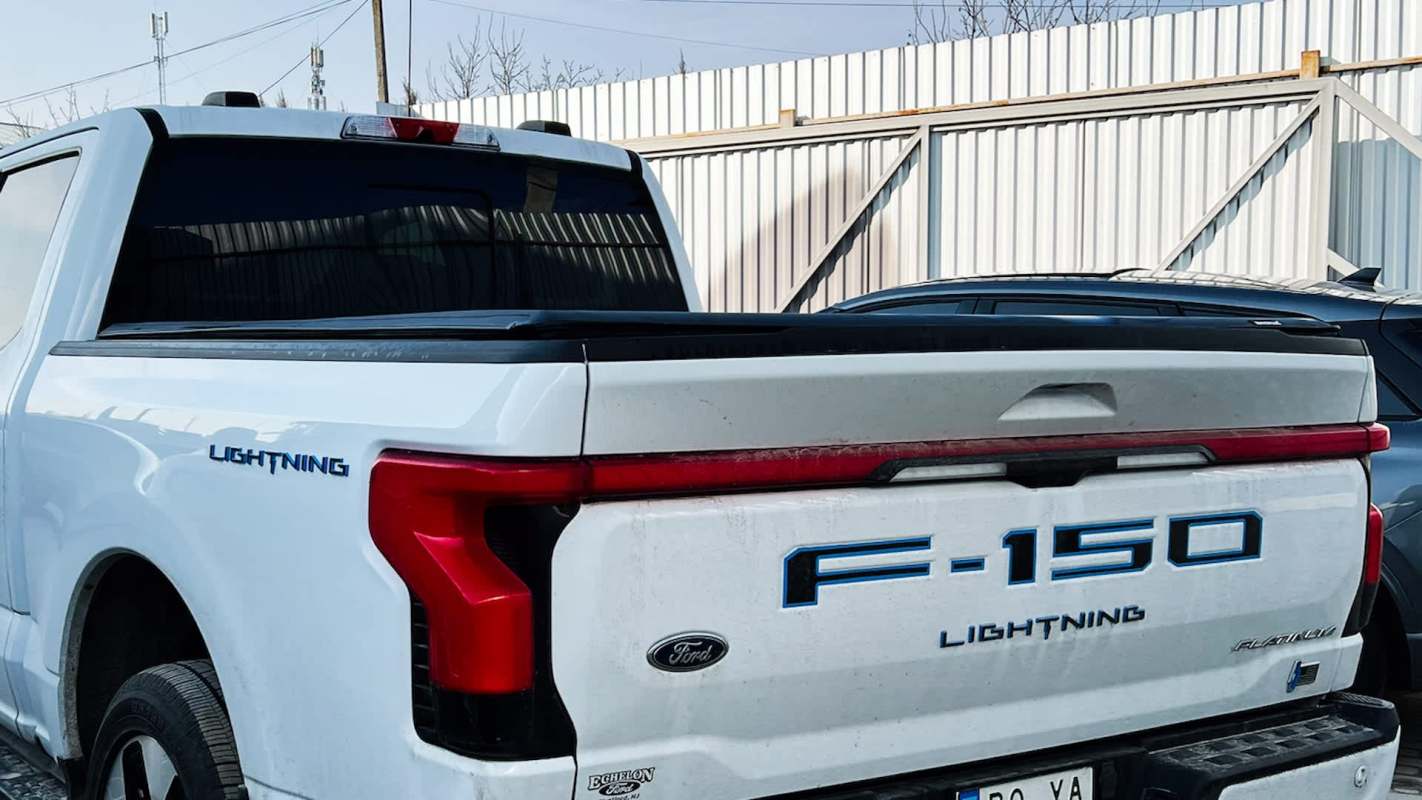
A pickup truck could become the water supply line for an East Texas homeowner who is considering hauling water rather than drilling a well nearly 400 feet deep.
But transportation, storage, and treatment costs could complicate that alternative.
Here's what to know
In a Reddit post, the homeowner described plans to move to a 1.8-acre property outside Henderson.
"I am moving to a new place soon and I just can't afford a well," the original poster wrote. "They're saying I would have to go almost 400 ft to hit water, apparently."
Community water at the homeowner's existing property could supply the new home. The proposed hauling setup would use a V8-powered, F-150-sized pickup carrying a 55-gallon plastic drum, which the homeowner would empty into a 275-gallon intermediate bulk container, or IBC tank.
With no gutters on the new house and no experience installing a collection system, the homeowner was also considering rainwater as a supply. The homeowner also wanted advice on protecting pipes at temperatures of 15 to 20 degrees Fahrenheit.
TCD Picks » Quince Spotlight
💡These best-sellers from Quince deliver affordable, sustainable luxury for all




More background
Commenters offered several alternatives to drilling a well, though none established how much the homeowner could expect to save.
The homeowner replied that they knew of no local filling station or delivery service. A commenter had proposed having potable water delivered to a cistern, with the caveat that the homeowner would depend on the supplier's prices.
Underground cisterns paired with a sand-filter system were their other proposal. They pointed to the equipment needed to store, pump, and filter roof runoff, noting that it generally must be treated before drinking.
Storage capacity shaped the hauling routine of a Wyoming commenter supplying their household with water. Their 1,000-gallon cistern required weekly trips, while a 1,700-gallon replacement lasted two weeks between trips.
Even extended subzero spells did not freeze the water in that user's buried cistern, which had separate pipes for filling and ventilation.
What can be done?
Before buying equipment, commenters encouraged the homeowner to check local requirements for a well and available water sources. They suggested asking the city or county health department whether the property qualifies for a well. They noted that minimum-acreage rules can apply to properties with both a well and a septic system.
Local occupancy rules were another consideration. A commenter advised checking whether permitting requires an approved water source. For hauling water, that commenter recommended contacting the city utility to locate bulk-fill sites, including those operated by small-town water districts or truck stops.
The same commenter recommended food-grade containers for drinking water and warned that clear IBC totes exposed to sunlight can develop algae. Separately, the commenter suggested heat-trace cable to protect exposed pipes.
To prevent the hauling equipment from freezing, the Wyoming cistern user described draining the tank completely and clearing its valve. Hauling water requires ongoing equipment maintenance, not just regular trips to fill a tank.
"It's just something you learn how to do and you keep up with it," they revealed.
Where can I learn more?
Hauling water instead of drilling a well means planning where to fill up and how much water to store. These stories cover well-drilling advice, Texas groundwater leases, off-grid water use, spring-fed cisterns, and rainwater harvesting.
• A family weighing hauled water against a 400-foot well received blunt advice to drill.
• Texas homeowners offered 50-year groundwater leases for $500, fearing consequences for future permits.
• Homesteaders buried a 1,700-gallon cistern and found a spring that fills it without pumping.
• After losing water twice, an off-grid homesteader harvested 10,000 gallons from one storm.

Get TCD's free newsletters for easy tips, smart advice, and a chance to earn $5,000 toward home upgrades. To see more stories like this one, change your Google preferences here.






