


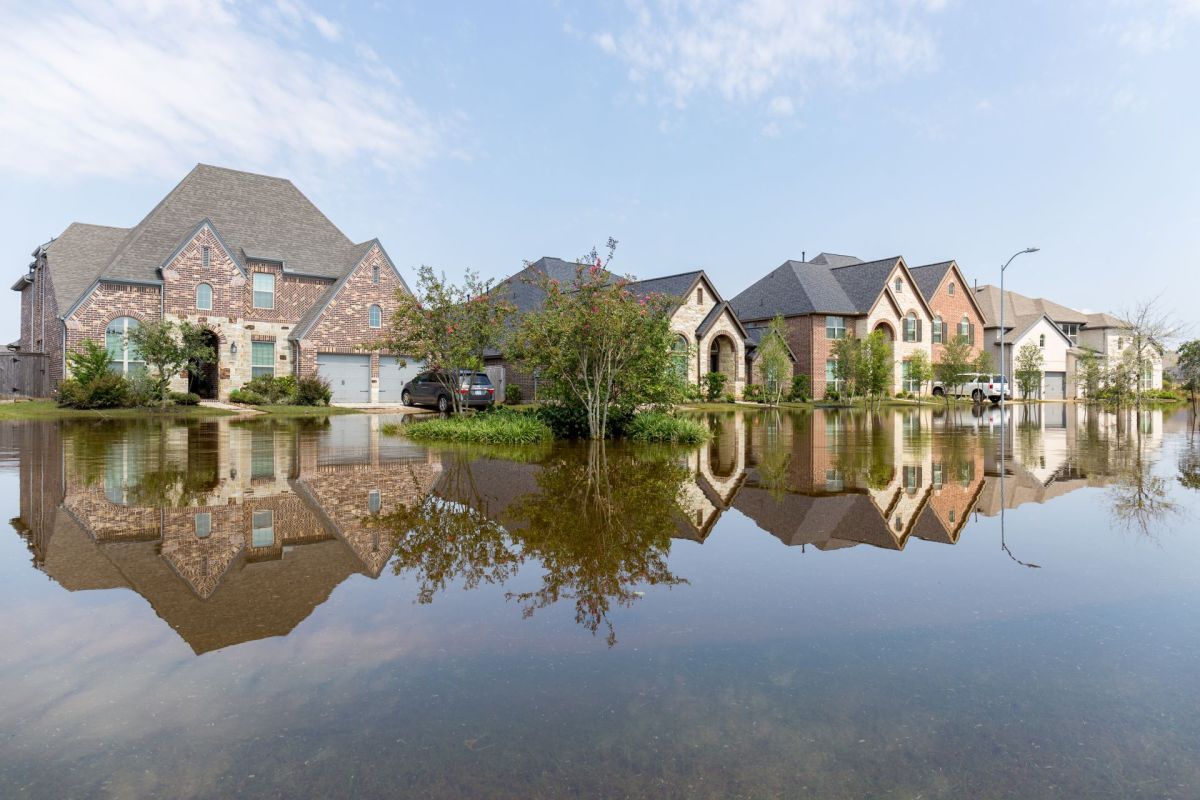
Federal officials opened financial assistance to homeowners and renters in 20 Texas counties devastated by flooding after previously denying aid.
Here's what to know
Texas Gov. Greg Abbott announced the approval on Oct. 30, with FEMA releasing application information on Oct. 31, according to the Fredericksburg Standard.
Texas challenged FEMA's initial rejection through an appeal by the Texas Division of Emergency Management. That denial affected individual aid for 30 counties hit by July flooding, with FEMA finding that impacts on households and individuals did not meet the threshold for direct federal support.
The covered disaster period runs from July 12 through Aug. 14. Eligible damage may come from tornadoes, flooding, severe storms, or straight-line winds.
More background
FEMA's available grants include funds to repair homes and replace uninsured personal property. The assistance may help make homes habitable and cover displacement costs, serious needs, lost belongings, and other disaster expenses.
Insurance coverage determines which losses FEMA can help address. The agency can't pay for damage already covered by insurance, but eligible costs not covered by a settlement may qualify. For that reason, residents with losses should file insurance claims before applying for federal assistance.
TCD Picks » Quince Spotlight
💡These best-sellers from Quince deliver affordable, sustainable luxury for all




Homeowners, renters, businesses, and nonprofits can also seek low-interest disaster loans from the U.S. Small Business Administration to support recovery.
What can be done?
Affected residents can apply at DisasterAssistance.gov, by using FEMA's mobile app, or by phone at 800-621-3362. Applications by phone are accepted daily from 6 a.m. to 1 a.m.
FEMA asks applicants to have a Social Security number ready if they have one. Other information to gather before applying includes the address where they lived when the disaster occurred, their current address, a phone number where they can be reached, and either their insurer's name or their policy number.
Residents should save receipts for cleanup and repair purchases. Applicants should also prepare bank details for direct deposit and an overview of their damage and losses.

Get TCD's free newsletters for easy tips, smart advice, and a chance to earn $5,000 toward home upgrades. To see more stories like this one, change your Google preferences here.






