


A new homeowner says their electricity plan rewards wasting power instead of saving it.
Accordingly, they told the r/MildlyInfuriating subreddit that after moving from an apartment into a house, they were now being forced to increase their usage to unlock a $125 credit.
Here's what to know
The original poster further explained on Reddit that they had moved into a house and were hovering near 900 kWh. Because the $125 statement credit applies only after they pass 1,000 kWh, they had to take extreme measures.
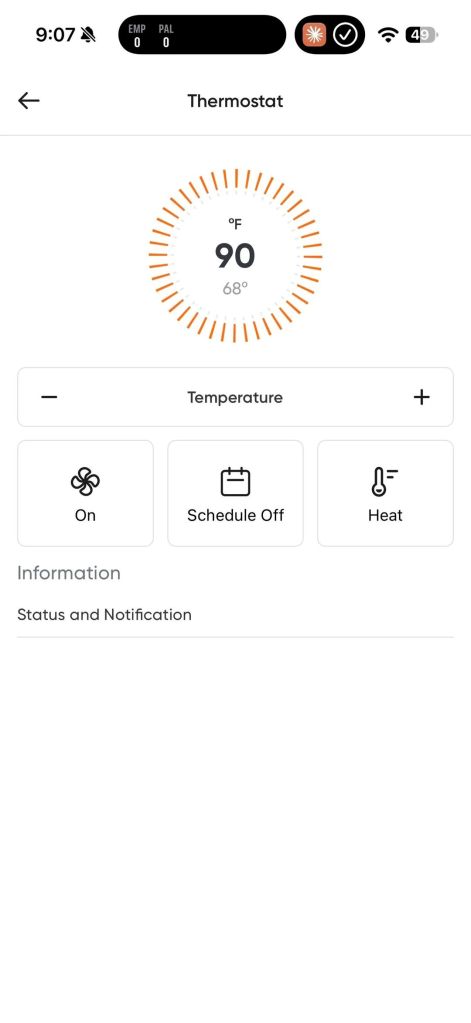
"So now I have to run the AC and Heater in succession to reach that 1000kwh ThreshHold, otherwise I'd pay more," they noted.
When a bill credit is tied to one hard usage cutoff, conserving electricity can backfire financially. In that kind of plan, falling just below the threshold may cost more than using additional power that serves no practical purpose.
"What a terrible incentive," a Reddit user reacted. "Asking people to use more electricity to save money."
TCD Picks » Quince Spotlight
💡These best-sellers from Quince deliver affordable, sustainable luxury for all




In a follow-up reply, the OP suggested the arrangement looked similar to most electricity plans in Texas.
More background
Incentives designed this way can encourage the opposite of what they're meant to do: lower bills and cut waste. If a household feels pushed to run both heating and cooling simply to clear a target, that extra electricity demand provides no real benefit.
Several commenters questioned whether reaching the credit would even pay off.
One asked, "Are you sure that the statement credit applies only when using over 1000 kWh in the first statement period?"
If the contract limits the credit to a certain billing cycle or explains it unclearly, using more electricity might not help at all. The OP was sure, though.
"Yep, using 999kwh is by far more expensive than using 1000kwh," they wrote. "It's incredibly stupid, but it's the cheapest plan after all."
Some commenters compared the issue to other systems with abrupt breakpoints. One person described a workplace health plan that covered 80% of eligible expenses before $1,000 and 100% after that, adding, "I'm like what?"
Another said a summer smart thermostat incentive they joined would try to set the temperature lower during peak hours, which was "effectively trying to raise my power bill lol."
What can be done?
Whether using more electricity on purpose would actually save money depends on the plan's terms. If the statement credit applies only in a certain billing period, or if it overlaps with another pricing rule, the extra 100 kWh may not reduce the bill.
One commenter framed it as a straightforward math problem: "By design I expect. The real question is if you're saving more that it costs to get to the discount."
The key comparison is the added electricity cost versus the value of the $125 credit.
People in the comments suggested several ways to boost usage, including charging friends' EVs, doing extra laundry, baking more, or even setting up a crypto mining rig. All of those ideas trace back to the same problem: the bill credit depends on hitting one exact number.
"One might even say it is a Perverse Incentive," a Redditor wrote.
Where can I learn more?
All sorts of factors can drive home energy bills up or down, and many are more connected to utility behavior than individual energy usage.
• California homeowners can expect an extra $200-$500 on summer energy bills during peak heat.
• Across the U.S., consumer advocates are sounding the alarm over transmission spending in electric bills.

Get TCD's free newsletters for easy tips, smart advice, and a chance to earn $5,000 toward home upgrades. To see more stories like this one, change your Google preferences here.






