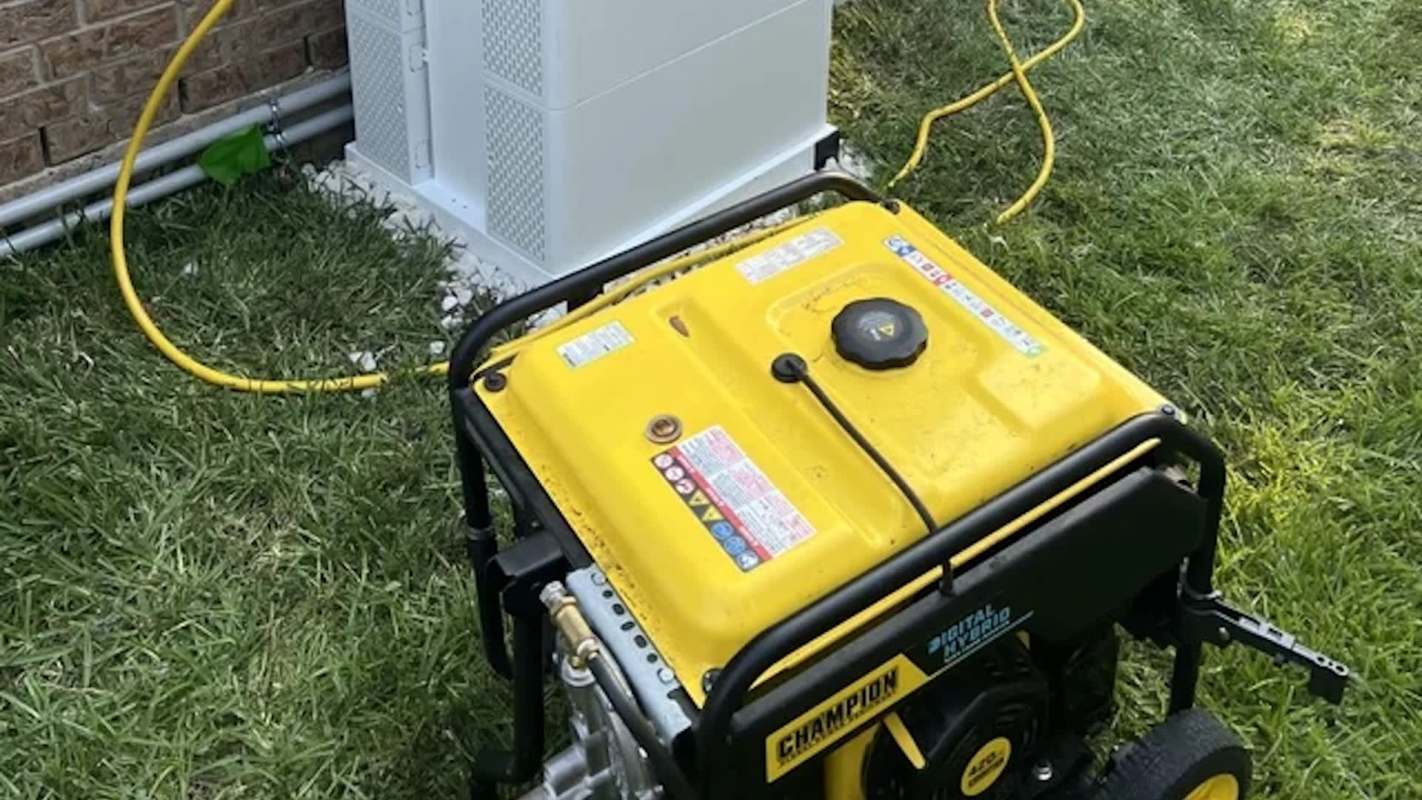
A Texas homeowner says a $349-a-year battery backup subscription could make power outages easier to manage without the expense of a standby generator.
The trade-off, however, is control. According to the homeowner, the battery provider determines how much energy the batteries store and sell, leaving the homeowner without control over their backup reserve.
Here's what to know
In a Reddit post, the homeowner compared the system with upgrading an existing tri-fuel generator to power the entire house.
"It gets me nearly to the same place as a [standby generator] but at a much lower cost," the original poster wrote.
The homeowner's concern was how much stored energy would be left when an outage started. The provider, rather than the customer, controls battery capacity and uses the batteries to buy electricity at lower prices and sell it at higher ones.
One commenter rejected the subscription over its roughly $30 monthly cost. In response to that criticism, the homeowner said customers could cancel but would have to pay $500 to have the system uninstalled.
TCD Picks » Quince Spotlight
💡These best-sellers from Quince deliver affordable, sustainable luxury for all




More background
They reported saving about $100 on power during the year and said Base paid to end their previous electricity contract. The company also provided a credit covering the first month's power.
A commenter reported that their brother's single-battery setup switched to backup power fast enough that several brief outages went unnoticed. "My brother just got set up with them (single power bank), and he is happy so far," they wrote.
Another commenter reported that a battery had failed during an air-conditioning load test and was being replaced. The original poster also experienced an inverter failure on the second day.
The homeowner had yet to complete load testing after getting the inverter replaced roughly 10 days later, according to their Reddit comments.
What can be done?
To prepare for longer outages, the homeowner added a generator connection, acknowledging that the $1,000 price was steep.
The Reddit thread described the connection as another way to recharge the batteries when an extended outage outlasts their stored energy.
One commenter questioned whether the provider could profit from electricity produced by the homeowner's generator. The poster's answer centered on when the generator would run: They would use it only during a power outage, when the provider couldn't sell electricity back to the grid.
After learning about the other customer's air-conditioning problem, the homeowner said they wanted to test their own setup, including a second air conditioner without a soft-start device.
The homeowner's roof was too old for solar panels but didn't need replacement yet. They said they might add solar in the future.
"At the end, I felt this was actually more of an upgrade — that would allow me not to have to drag out my generator for the majority of outages," the homeowner wrote.

Get TCD's free newsletters for easy tips, smart advice, and a chance to earn $5,000 toward home upgrades. To see more stories like this one, change your Google preferences here.