


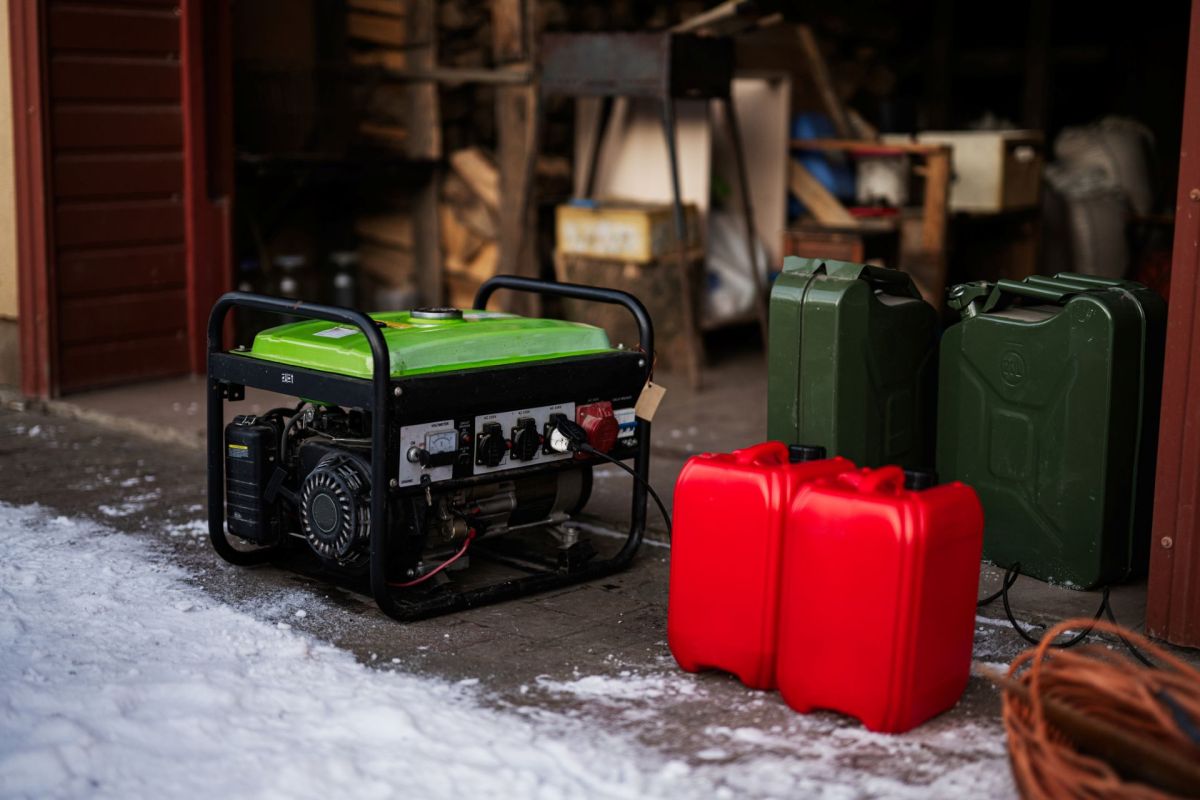
For homeowners weighing backup power options, the biggest question may not be what is technically possible — it may be how often the system will be used. That was the dilemma facing one Tesla Model Y owner who wanted to replace a Briggs & Stratton generator they called "loud as hell" even though it ran for only about 18-24 hours a year.
Here's what to know
As described in a Reddit thread, the setup sent generator power to an interlocked subpanel that served LEDs, a fridge, a chest freezer, a boiler, and network gear. That subpanel had no 240-volt circuits.
The main issue was whether the Tesla's 2-kilowatt vehicle-to-load output would be sufficient for those needs or whether buying a separate battery backup would be the better move.
"EVs make great backup generators, as long as you won't get stranded by running your battery down too far," one commenter wrote. They added that a Ford E-Transit's 2.4-kilowatt outlet could run "fridges, routers, TVs, lots of lights," using "1-2% battery per hour."
Small portable battery units drew skepticism. "The little 1-2 kWh battery stations will only run those loads for a few hours, maybe 10 at most," one user warned.
From there, the conversation shifted to a compromise option of using a small inverter generator, which one commenter said would be much quieter than the Briggs & Stratton unit.
TCD Picks » Quince Spotlight
💡These best-sellers from Quince deliver affordable, sustainable luxury for all




More background
The equation changes when a backup system is used sparingly. A large battery station with 240-volt capability can offer quiet, fume-free convenience, but it may be hard to justify if it is unused most of the year. By contrast, a small inverter generator may provide enough power for essentials at a much lower upfront cost.
There are trade-offs on both sides. Using an EV or battery pack can cut noise, eliminate the need to store gasoline, and reduce maintenance requirements. At the same time, commenters noted that battery setups have limits, especially when startup surges, transfer-switch compatibility, and capacity are factored in.
What can be done?
The first step is identifying critical loads. In this case, commenters agreed that refrigeration, heat, lights, and internet were more important during an outage than appliances such as a dishwasher or garbage disposal.
The next step is matching equipment to outage patterns. If outages are short, a portable battery or EV outlet may be enough. If they stretch overnight or longer, a small closed-frame inverter generator could offer a cheaper, quieter backup than a large conventional model while still covering essentials.
Safety and compatibility matter as well. Commenters pointed to the importance of using a proper interlock or transfer setup and understanding how a battery inverter or vehicle output interacts with a home inlet. A licensed electrician can confirm whether a setup is appropriate before money is spent on adapters or hardware.
"Best combination is the battery station that'll run the fridge and freezer overnight and the small inverter to run during waking hours to replenish the charge," one commenter said. Another kept it simple, writing, "For 18-24 hours per year, I'd stick with what works."
Where can I learn more?
These stories look at home batteries and portable power stations.
• Families are replacing gas generators with safer home battery systems that avoid fumes and fuel storage.
• Homeowners are increasingly choosing next-generation battery backups over Tesla's once-dominant Powerwall.
• Portable power stations are gaining attention as solar-ready outage backups for essentials.

Get TCD's free newsletters for easy tips, smart advice, and a chance to earn $5,000 toward home upgrades. To see more stories like this one, change your Google preferences here.






