


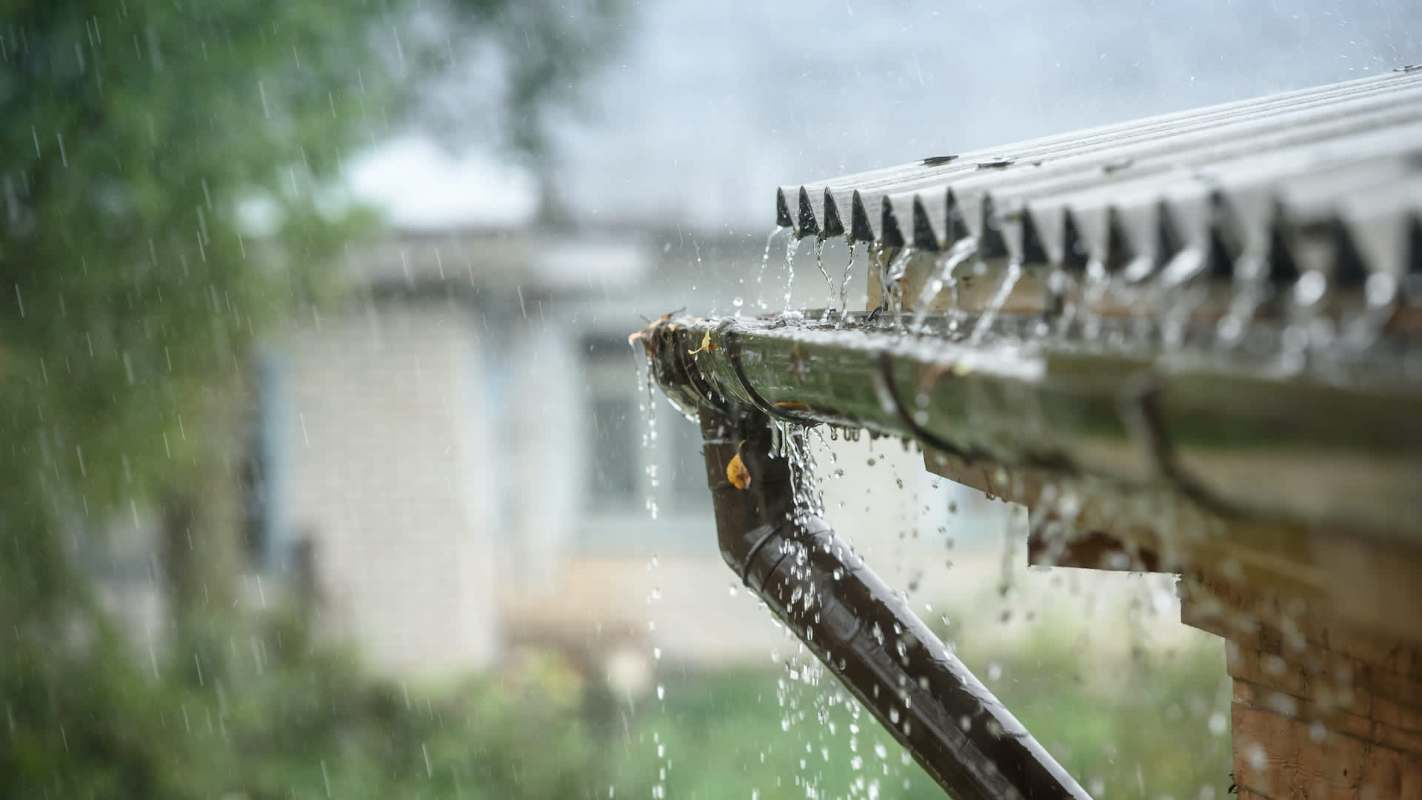
A Tennessee homeowner says the rainwater harvesting system that supplies her home has produced clean water for years, yet she may still lose it if she cannot find an engineer willing to sign off on the setup.
For people who use rainwater collection to lower utility costs, that kind of paperwork fight can quickly turn a money-saving home solution into a crisis.
Here's what to know
In her post on Reddit, the homeowner wrote that the system "has always tested clean for everything, including [E. coli]." She said she built it "6-7 years ago" and has relied on it since then.
According to the homeowner, officials are not asking an engineer to visit the property. Instead, she told the r/OffGrid subreddit they want someone to look over her photos, description, technical design, and test results and say the setup will work. That demand, she said, followed pressure from a difficult neighbor asking for "a simple stamp by ANY kind of engineer!!"
She said that requirement has been hard to meet because every engineer she has contacted in Tennessee has told her they do not do that kind of work.
"This has become urgent," she wrote, adding, "I'm a 74-year-old single woman and I certainly don't want to have to move out of my home over this b.s."
TCD Picks » Quince Spotlight
💡These best-sellers from Quince deliver affordable, sustainable luxury for all




Some commenters said the challenge may be less about finding any engineer and more about finding the right specialty.
As one commenter put it: "You need a civil engineer, who works in water treatment."
More background
Commenters said liability could be one reason licensed engineers are reluctant to approve the system. Because a PE can be held responsible if an installation they approve later fails, some professionals may avoid signing off on something they have not inspected themselves.
"Sounds like they are asking for a PE stamp (Professional Engineer)," a commenter wrote.
A different user also suggested asking for a referral when an engineer says no, rather than ending the conversation there.
"When an engineer tells you they don't do that kind of work, of following up with 'Do you know someone who does?'" the poster wrote. "Usually they will at least try to point you in the right direction."
What can be done?
One commenter said the homeowner should start by getting the exact statute from the inspector and asking what, specifically, would satisfy it. Another said something similar, suggesting to put the onus on the complainer to produce an actual believed violation: "Ask the local yahoo to show you the specific state statute that they're enforcing and the specifically how to rectify. This is the key as it might say it needs to be someone with a specific accreditation. Otherwise anyone can give this a stamp of approval."
The county may not actually be asking for "any engineer." If it is really asking for a licensed professional engineer, or for a civil engineer who works in water treatment, then reaching out broadly to civil, environmental, mechanical, or architectural engineers without that specialty could waste both time and money.
Commenters also recommended contacting county wastewater departments, asking architects for referrals, and reaching out to PerfectWater, a Tennessee company that specializes in rainwater harvesting systems.
The original poster was receptive to many of the ideas and leads given, though the issue remained unresolved as of publish time.

Get TCD's free newsletters for easy tips, smart advice, and a chance to earn $5,000 toward home upgrades. To see more stories like this one, change your Google preferences here.






