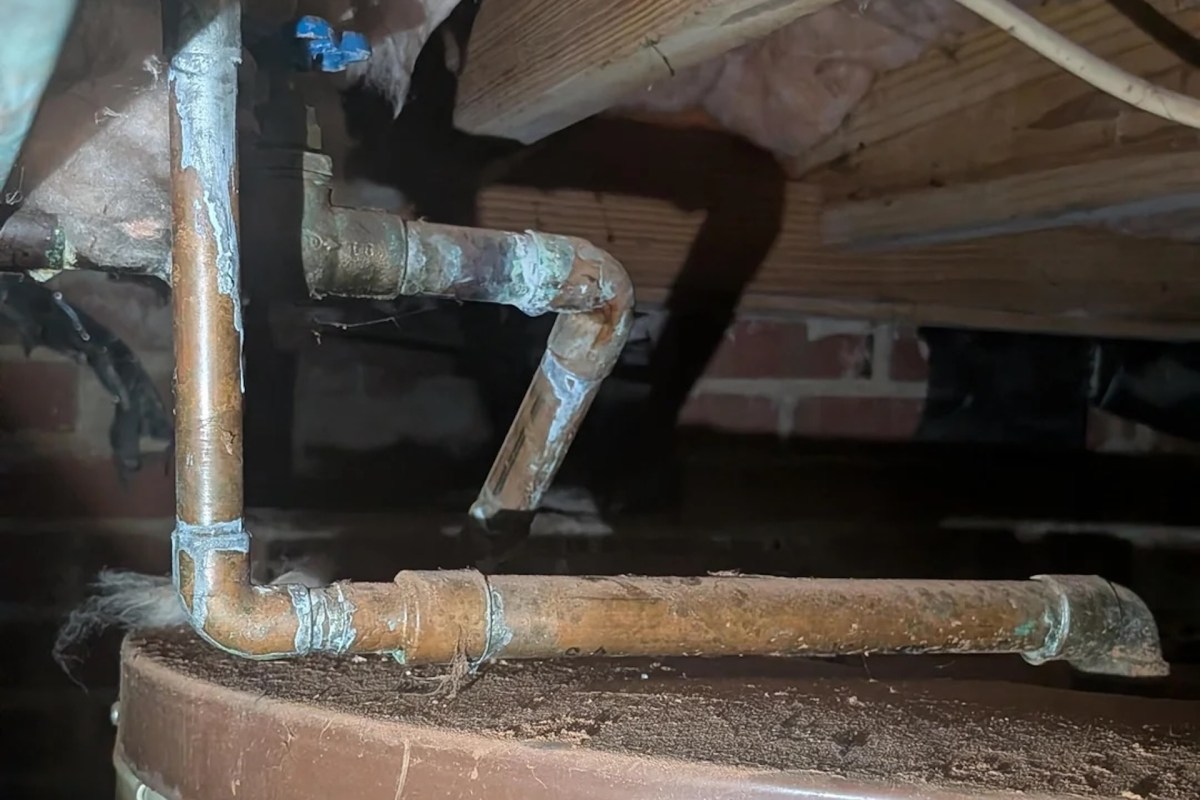
When a water heater fails in a tight crawlspace, the cheapest workable option can look very different from the "ideal" one. That was the situation facing one Redditor after a neighbor's 30-year-old unit stopped working.
Here's what to know
In Reddit's r/askaplumber thread, the poster described a failed 40-gallon electric lowboy from 1996 that was connected to a 30-amp circuit and wedged into a crawlspace with only about 40 inches of clearance. It served a limited role in the house, supplying hot water only to a sink and dishwasher while a separate tank handled everything else.
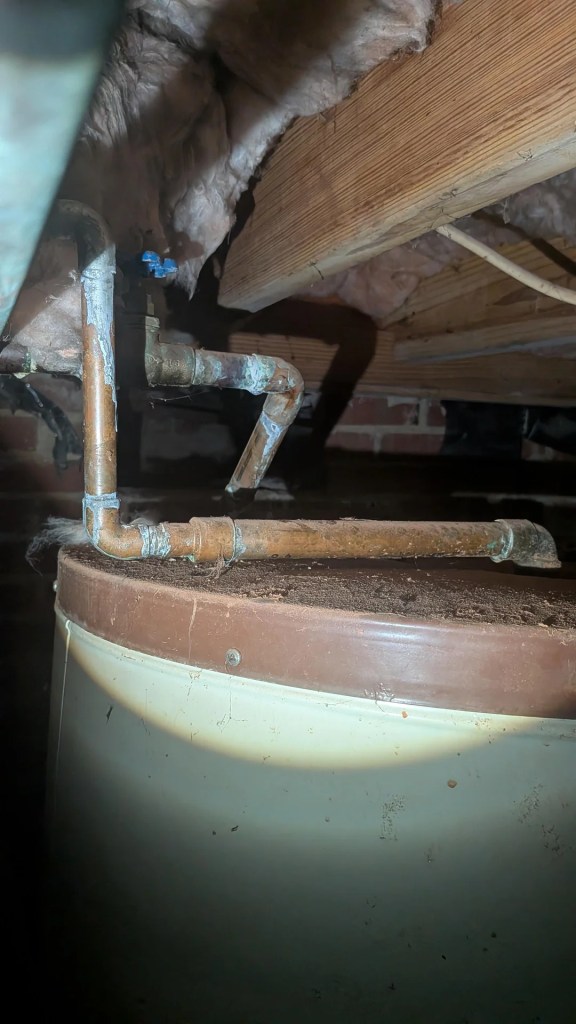
They asked whether a 6.5-kilowatt point-of-use tankless heater could replace that setup, stay on the existing 30-amp circuit, and still provide enough hot water.
Most replies suggested the small tankless would struggle, especially in colder weather.
One warned, "You'll get less than 1gpm in the winter which isn't enough."
Another added: "6.5kw can heat 0.9gpm from 70F to 120F. 0.5gpm from 40F to 120F. Not a lot as you can see."
The OP later checked the actual sink performance and found that the hot side was flowing at only about 0.3 gallons per minute. After installing the $120 EcoSmart tankless unit, cleaning sediment from the lines, and replacing the faucet, they reported that the hot-side flow rose to roughly 0.6 gpm — and said the neighbors were pleased.
More background
The constraints included aging wiring, limited clearance, elderly homeowners, and a fixture load limited to a kitchen sink and dishwasher. In that situation, the right replacement depended on actual day-to-day demand.
Save $10,000 on solar panels without even sharing your phone number Want to go solar but not sure who to trust? EnergySage has your back with free and transparent quotes from fully vetted providers in your area. To get started, just answer a few questions about your home — no phone number required. Within a day or two, EnergySage will email you the best options for your needs, and their expert advisers can help you compare quotes and pick a winner. Solar panels can save you more than $50k over their 25-year lifespan, and EnergySage can help you save as much as $10k on installation. Which begs the question — isn't that worth an email or two? |

Cost also shaped the decision. The OP wrote that the tankless unit cost $120 on sale, while "the cheapest tank I could find was $450." One commenter said 20-gallon tanks were "like $700," while lowboy 40s were "about $500."
Several commenters recommended a small tank or piping the kitchen back to the home's main water heater.
The OP noted that the replacement made them rethink their own home's setup, stating, "I currently have a gas tankless and want to change to a heat pump electric."
What can be done?
If you're planning a larger upgrade, Cala offers customizable smart heat pump water heaters that help homeowners reduce their energy bills by heating water only when needed. That makes them a different kind of solution from the bargain tankless swap in this Reddit post, which was mainly about fitting a low-demand application into a cramped space on a tight budget.
For households with higher demand, a smart heat pump system may offer a better long-term balance of comfort and efficiency. It's also worth checking local rebates, available space, and electrical requirements before choosing between a mini-tank, a standard replacement, or a Cala heat pump model.
"My neighbors were very happy about the near instant hot water and the temperature," the OP wrote. In the end, their conclusion was simple: "TLDR; I still went tankless and it's working fine for a fraction of the price."
Where can I learn more?
The articles below address the same issues that came up in this Reddit repair: how much hot water a household actually needs, what the installation will allow, and how the long-term costs compare. They also give a better sense of when a low-cost point-of-use tankless unit can do the job and when a heat pump upgrade may be worth the extra investment.
• In many homes, tankless water heaters can trim utility costs when hot-water use stays modest.
• For bigger household loads, a heat pump water heater can lower running costs over time.
• GE says smart heat pump controls can help families save hundreds each year.
For anyone weighing a similar decision, these stories help clarify the tradeoff between a bare-bones tankless fix for a low-demand setup and a pricier upgrade built for long-term efficiency.

Get TCD's free newsletters for easy tips, smart advice, and a chance to earn $5,000 toward home upgrades. To see more stories like this one, change your Google preferences here.