


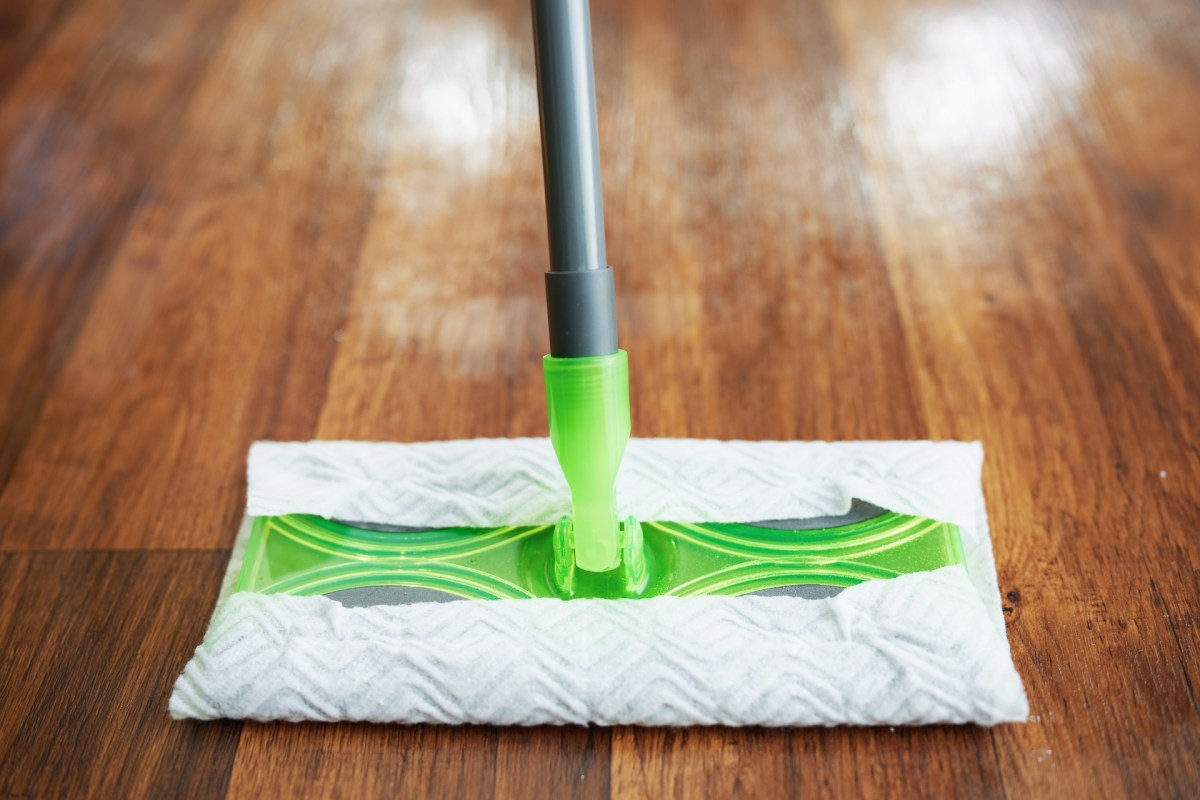
A $15 Swiffer can look like a bargain at first glance, but Sidney, the creator behind Sidney Explains Money (@Sidney_Explains_Money), argues that the real expense is the steady stream of disposable pads and cleaning solution bottles.
Sidney argues this is where the real money goes, and where consumers can act.
Here's what to know
In the YouTube video, the creator says the Swiffer system relies more on repeat purchases than on long-term value.
"The mop in your closet works perfectly," Sidney says. "You were just never supposed to notice that the expensive part is the part they designed to fail. That is the whole trick."
Sidney points out dry refill boxes cost roughly $9 to $14, while WetJet solution bottles run about $8 each. That can add up quickly, even if the initial product is cheap.
His proposed workaround is to keep the mop, switch to reusable microfiber pads, and refill the bottle yourself, which he says can cut cleaning costs that climb past $100 a year.
TCD Picks » Quince Spotlight
💡These best-sellers from Quince deliver affordable, sustainable luxury for all




He says the change takes about two minutes because the mop's flat gripper head holds washable microfiber pads in the same place the disposable cloths attach.
He also said the savings are straightforward. One reusable microfiber pad, he said, costs about $14 and can last past 100 washes, bringing the cost to about 10 cents per use versus roughly 50 or 60 cents for disposable pads.
One commenter wrote: "This video was perfect timing. I just got back from the grocery store and looked at the price of Swiffer pads and said no I am not buying those."
More background
Another part of his argument is that the disposable cloths stop working well fairly quickly because they rely on a static charge to pull in dust.
He said that once the cloth collects dust and moisture, the charge "bleeds off" and the cloth "goes dead," which can push users toward another refill sooner than expected.
His comparison was microfiber. Instead of depending on static, he said, its split fibers physically catch dust and hair, and washing the pad restores it for reuse. It could also reduce the number of used pads being thrown away.
He also highlighted the WetJet bottle design as a separate frustration. He said the refill bottle is sealed at the factory "on purpose" to drive replacement purchases, even though he described the liquid inside as mostly water.
What can be done?
His recommendation begins with reusable pads made for standard Swiffer sweepers. He said packs of three or four usually sell for about $12 to $16, with both generic versions and brands like Turbo Microfiber and Peachy Clean available.
For WetJet owners, he said you can loosen the sealed cap by placing it in boiling water for about 30 seconds, then refilling the bottle with a homemade mix of warm water, a little dish soap, and about half a cup of rubbing alcohol per gallon.
He said that mixture is pH-neutral and safer for sealed floors than straight vinegar. Some viewers said they were already using similar methods.
"I've always simply used lightly damp cloths for heads on my Swiffer," one wrote. "Wash and repeat. They work very well."
Where can I learn more?
If the cost of Swiffer refills has you reconsidering the trade-off, plenty of examples show people cutting waste and cleaning for less.
• One homeowner said making the most of a Swiffer worked better and cost less.
• An old mop got a wallet-friendly second life with reusable pads that smelled better.
• A mom turned a broom into a DIY mop that worked like a Swiffer.

Get TCD's free newsletters for easy tips, smart advice, and a chance to earn $5,000 toward home upgrades. To see more stories like this one, change your Google preferences here.






