


A surge in product recalls is drawing renewed attention to a troubling consumer safety issue: Dangerous items can remain in homes and on store shelves for months or even years before they are officially pulled from the market.
According to U.S. PIRG's "Safe at Home 2026" report, the most recent year reviewed saw 420 product recalls, the highest number since 2007. The report also linked recalled products to 882 injuries in 2025, WECT reported.
A product recall is a formal action taken to remove, replace, or refund an item that may be unsafe or defective. Recalls can involve everything from children's products and household appliances to electronics, furniture, and pressure cookers.
In many cases, recalls happen only after injuries, consumer complaints, or product malfunctions begin to pile up.
That delay is what worries many consumer advocates. The longer a dangerous product stays in circulation, the more chances it has to injure people who may have no idea there is a problem.
Even after warning signs emerge, products can continue to be sold online, resold secondhand, or remain in homes for years without consumers realizing they may be unsafe.
TCD Picks » Quince Spotlight
💡These best-sellers from Quince deliver affordable, sustainable luxury for all




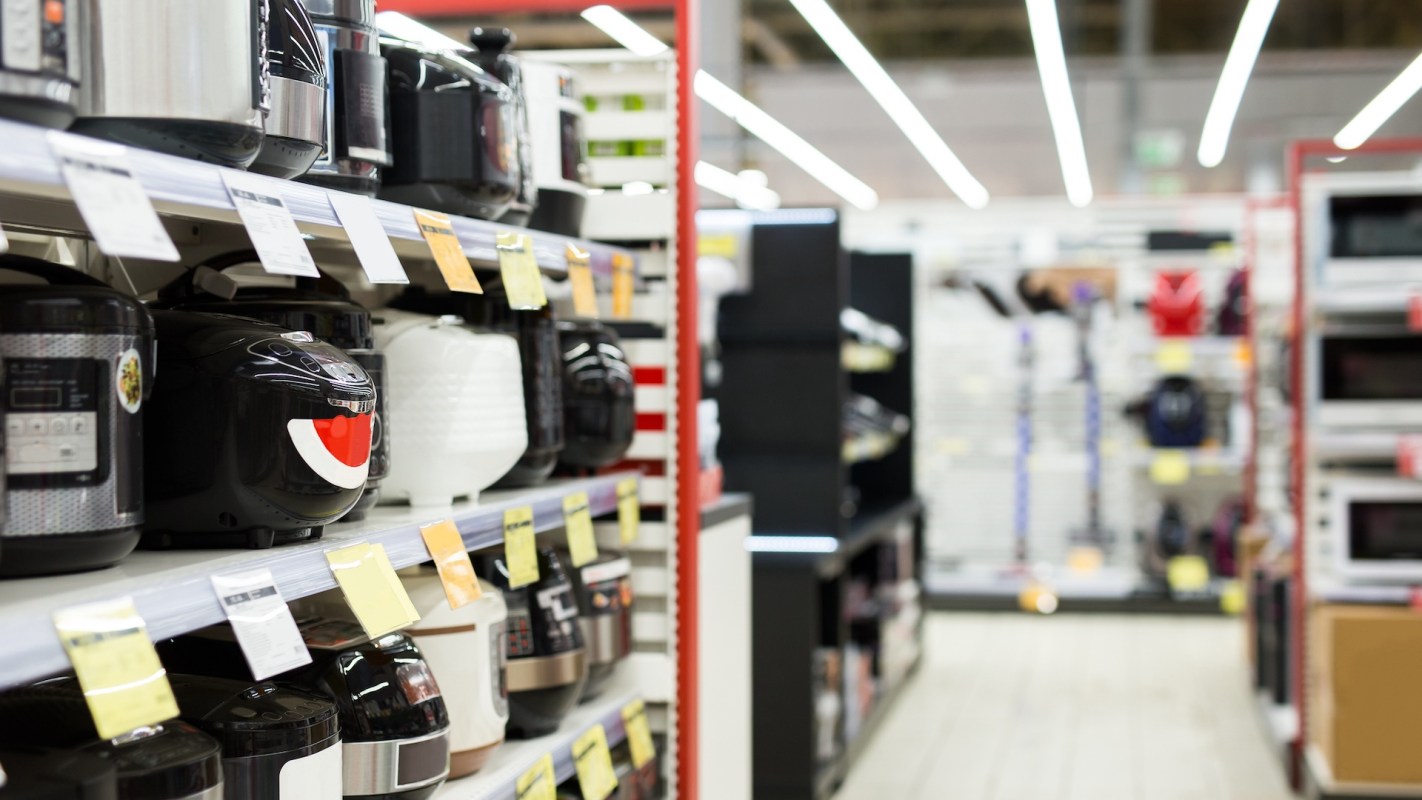
One example involved pressure cookers sold by SharkNinja. A recall eventually expanded to cover more than 2 million units after more than 100 complaints and multiple lawsuits related to burn injuries.
"The first complaints that I could find on SaferProducts.gov was people complaining about the pressure cooker that they were using, and presumably knew how to use, and the lid would just explode. And tons of complaints about injuries, burns, second-degree burns — and again, that product didn't get recalled until 2025," Teresa Murray, a consumer watchdog with U.S. PIRG, said, per WECT.
Delayed recalls can be especially dangerous for products used around children or in the home, where defects may lead to fires, choking hazards, burns, or other preventable injuries.
The growth of online shopping has also complicated product safety oversight.
"It's not to say that every e-commerce site out there is shady. But you don't have as much accountability if you're shopping online. You can't touch it, feel it. And if there's a problem, you don't have a brick-and-mortar store to go to," Murray said.
Experts say one of the best ways consumers can protect themselves is by researching products before purchasing them, especially heavily used household items or products intended for children.
Checking reviews, complaint histories, and past recalls can sometimes reveal warning signs before problems become widespread.
"The Consumer Product Safety Commission (CPSC) generally puts out recalls, generally once a week and so, usually every Thursday morning," Murray said, per WECT. "Just make it part of your routine on every Thursday morning or on the weekend or, gosh, even once a month is better than what a lot of people do."
Reporting also matters. Complaints submitted through official channels such as SaferProducts.gov can help regulators identify patterns more quickly. When injuries or defects go unreported, dangerous products may stay on the market longer.

Get TCD's free newsletters for easy tips, smart advice, and a chance to earn $5,000 toward home upgrades. To see more stories like this one, change your Google preferences here.






