


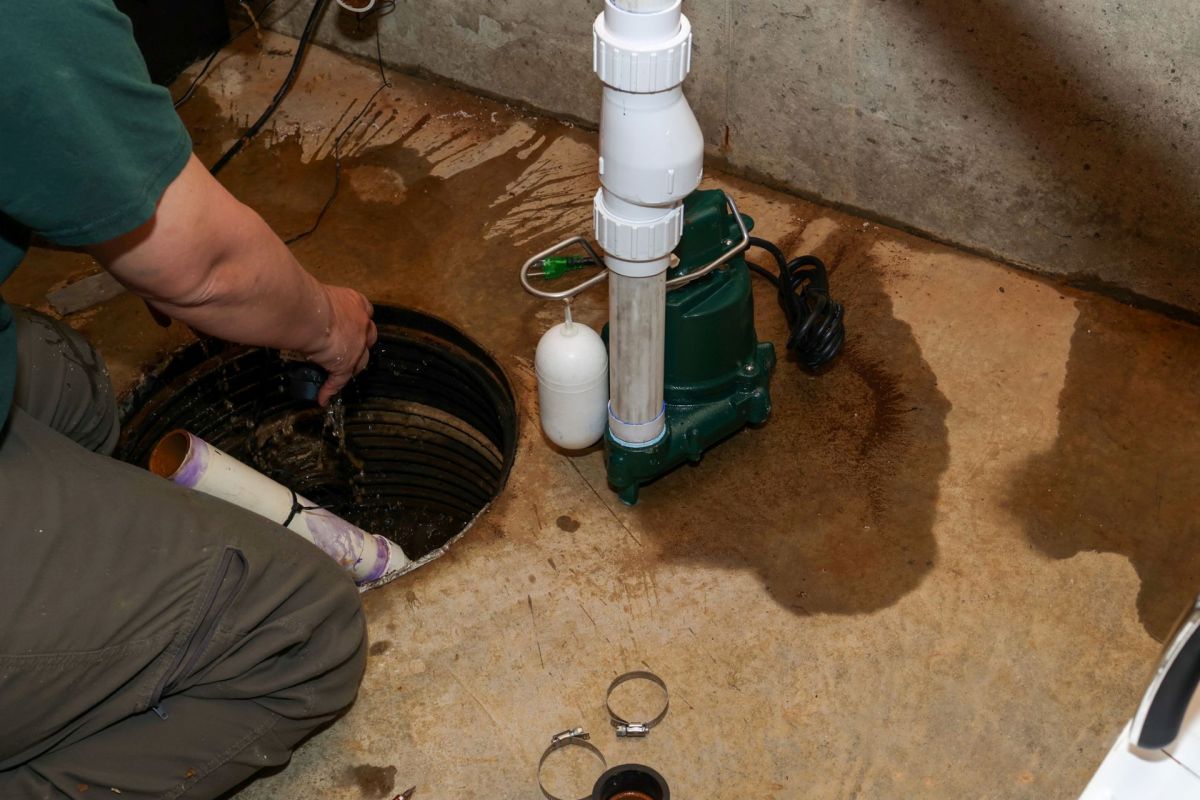
When their first basement water problem in eight years came during a storm that dropped more than 5 inches of rain in about two hours and overran a 1/3-horsepower sump pump, one homeowner turned to Reddit for advice.
Here's what to know
In a post in r/homeowners, the poster described a house that sits below nearby land, with runoff from surrounding farmland draining toward the neighborhood. The homeowner said the house is eight years old and had never had a basement water problem before this storm. From roughly 2021 through 2024, the sump pump "never ran."
The owner has already made two changes: replacing the old 1/3 HP pump with a 1/2 HP model and adding longer downspouts to move water farther from the foundation. Still on the table is a second sump pump in the same pit with battery backup, intended to help during short, intense rain events or step in during a power outage.
Rather than piecing together a second-pump setup, one commenter said, "The easiest thing is to replace your pump with a combo unit." That commenter pointed to systems that combine a primary and backup pump with check valves, a battery, charger, alarm, and optional Wi-Fi alerts.
The OP, though, would rather not retire a brand-new pump. "Since I already just paid for this new 1/2 HP Zoeller, I'd like to continue using it," they wrote.
More background
The homeowner said the neighborhood can be wet in some years, but "it's not like we live in a swamp," and believed the main issue was that the pump could not keep up as groundwater rose around the foundation.
TCD Picks » Quince Spotlight
💡These best-sellers from Quince deliver affordable, sustainable luxury for all




Several commenters focused less on the horsepower label and more on real pumping performance under storm conditions. One commenter wrote, "For those high rainfall events the pump gpm rating at a 10 or 15 foot lift matters, not the teaser hp rating." Another commenter said the HP number speaks more to vertical lift than to sheer flow during a flash-flood-type event.
Another warning from the thread was that a battery backup meant for a once-every-eight-years storm may not be dependable unless it is maintained, since the battery could age out before it is needed again.
What can be done?
The homeowner has already upgraded to a 1/2 HP pump and extended the downspouts to carry runoff farther from the house. Because the home also has tile around the foundation draining into the sump pit, limiting how much water reaches the system and increasing how well the pump can handle it are complementary fixes.
Commenters also said there is nothing unusual about putting two pumps in one sump pit. "There are lots of ways to fit 2 pumps in 1 crock," one wrote. "Usually one above the other for when the first fails or is overwhelmed." That would allow the homeowner to keep using the new Zoeller instead of replacing it outright.
Other ready-made options mentioned in the discussion included Basement Watchdog combo systems and Wayne setups with battery backup already plumbed in.
The house already has a generator with an interlock switch, which narrows the concern to times when no one is home. In that situation, a battery-backed secondary pump — or even a water-powered backup, as one commenter suggested — could keep water moving long enough to prevent another cleanup and the cost of replacing anything damaged in the basement.
Where can I learn more?
These stories cover similar flooding, drainage, and storm-prep problems homeowners face after heavy rain.
• After 11 floods, one homeowner built a creative home barrier against rising water.
• In Hoboken, crews allegedly paved over critical storm drains, leaving streets and homes flooded.
• Homeowners swapped ultimate storm preparation tips for outages, flooding, and emergency cleanup.

Get TCD's free newsletters for easy tips, smart advice, and a chance to earn $5,000 toward home upgrades. To see more stories like this one, change your Google preferences here.






