


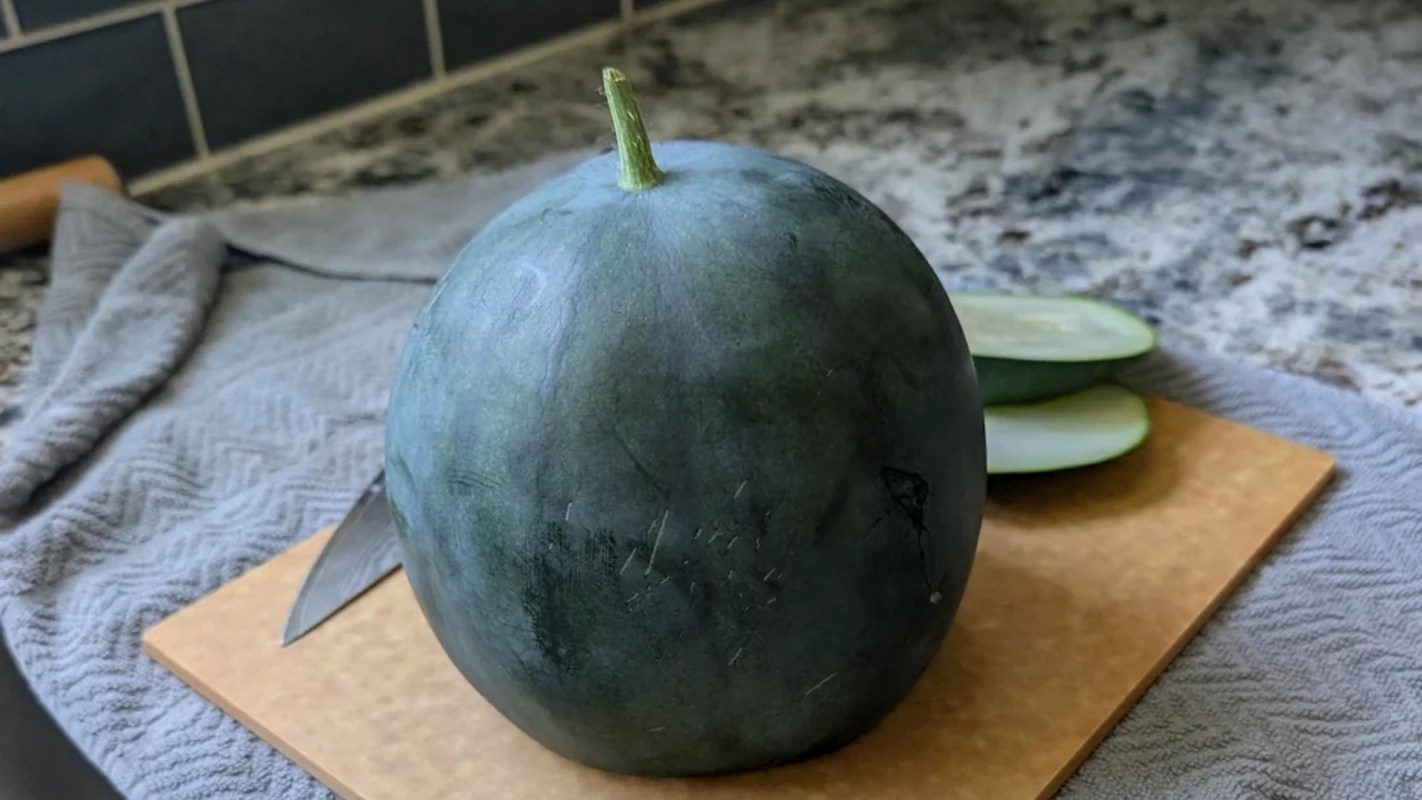
A Northeast gardener thought all the signs in their garden pointed to a ripe Sugar Baby watermelon.
But when they finally cut it open, the homegrown fruit became a disappointing lesson in harvest timing rather than a sweet summer success.
What happened?
In a post to Reddit's r/Gardening community, the original poster wrote, "Cut my sugar baby watermelon at 78 days, tendrils on both sides dead, made a thunk sound, and it was very dark green. Was it still too early? The packet said 60-70 days."
The OP added: "So sad. Dark green, tendrils dead, made a thunk sound," alongside two images of the disappointing watermelon.
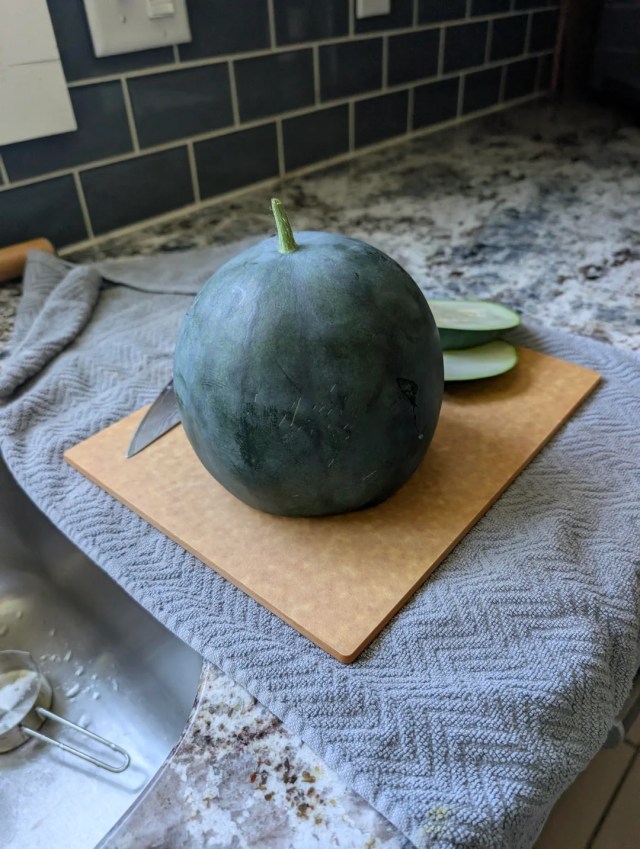
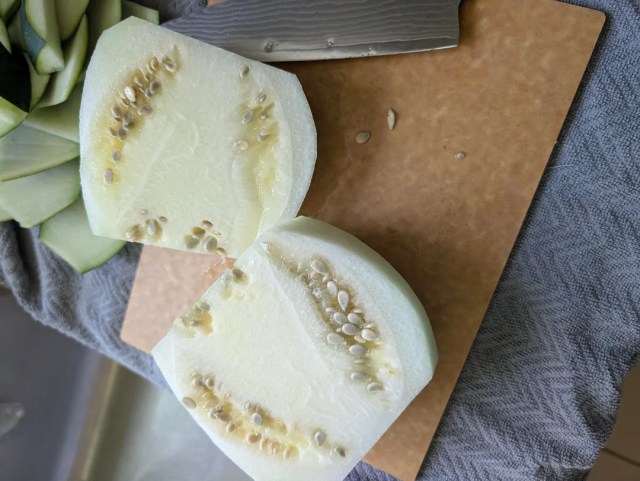
Other gardeners quickly joined in on the conversation to discuss her timing, with several gardeners saying the melon had most likely been picked before it fully matured. One commenter replied, "It was probably too early. Seed packet timelines are never accurate for my region."
The grower later shared how the fruit turned out: "It tasted more like a cucumber. I'm in the Northeast US, so temps have been all over this season."
TCD Picks » Quince Spotlight
💡These best-sellers from Quince deliver affordable, sustainable luxury for all




That outcome did not surprise everyone in the thread. Commenters said melons often take longer in cooler or less consistent climates, and one noted that for their area, "You can just assume 1.5x time to maturity vs. seed packet if you're in the northeast."
Why does it matter?
"Days to maturity" can be more of a rough estimate than a guarantee. Weather swings, regional differences, and the timing of when fruit actually sets can all shift the harvest window.
Another point raised repeatedly in the comments was how those packet estimates are counted. As one commenter explained, "days to maturity" may refer to the period after fruit set, not simply days since planting.
Yet, growing your own food can save money, reduce packaging waste, and make yards more productive, even though harvest timing can make the difference between a sweet crop and a bland one.
A watermelon that tastes like cucumber may still be edible, but it is obviously not exactly the payoff most growers are hoping for.
While a few commenters first blamed cross-pollination, others in the thread said that would affect future seeds rather than the fruit already growing this season.
What can I do?
If you are growing melons, seed-packet timing is a starting point, not a finish line. Gardeners can track when the fruit sets, compare harvest timing from year to year, and pair that information with visual and sound cues instead of relying on a single sign alone.
If you are rethinking your yard, low-maintenance lawn replacements can help make the whole space work harder for you. Native plants, clover, buffalo grass, and xeriscaping can reduce mowing and watering demands, and even a partial swap can deliver meaningful savings and ecological benefits.

Get TCD's free newsletters for easy tips, smart advice, and a chance to earn $5,000 toward home upgrades. To see more stories like this one, change your Google preferences here.






