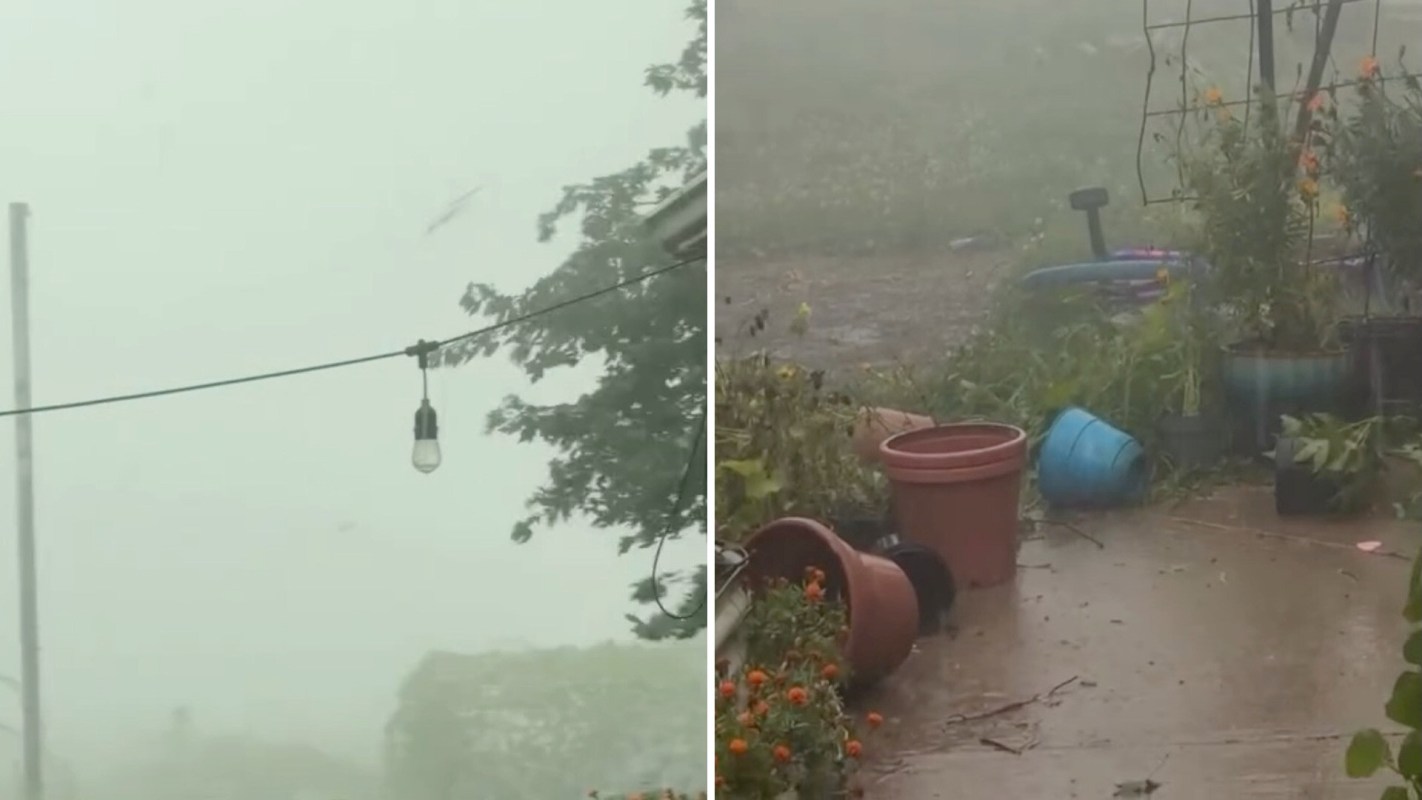
Fourth of July festivities at a family farm were upended when a sudden storm with 80 mph winds tore across the property, leaving buildings, fences, and crops damaged.
Still, the family and all of the farm's animals were unharmed.
What happened?
In a post on Instagram, Wild Carrot Farmstead shared scenes from the aftermath. The family said the storm arrived with little warning, and the power outage lasted most of the day, briefly returned overnight, and then hit the following morning again.
Although the exterior of their greenhouse was unharmed, the family said that leaving the doors open for ventilation left everything inside in rough shape. In the caption, they wrote, "This storm came out of nowhere and rocked our farm pretty hard with 80 mph winds."
The damage also included a lost outbuilding, needed roof repairs, about half the garden destroyed, large sections of fencing knocked down, and many fallen trees, leaving a major cleanup effort ahead.
The post added, "Jason and I have lived in 'tornado alley' our entire lives, and though this wasn't a tornado- it was still probably the worst storm we've ever endured." One commenter, @occasionalfancyknits, wrote: "The storms this year may not be as tornadoey, but they sure are still fierce! More like hurricanes than tornadoes!"
TCD Picks » Quince Spotlight
💡These best-sellers from Quince deliver affordable, sustainable luxury for all




One Instagram user, @littlespoonsofjoy, explained how they have dealt with similar weather events: "We had golf and baseball size hail out of blue sky. Damaged 3000 cut flowers that were ready to be harvested. I feel your pain!"
Why does it matter?
A lost outbuilding, a damaged greenhouse, downed fences, and destroyed crops can quickly lead to costly repairs, lost food production, and disrupted work.
Worsening extreme weather disasters endanger both lives and livelihoods. Powerful storms can knock out electricity, damage roads and buildings, threaten livestock, and create dangerous conditions for families trying to recover. They can also destabilize local economies, especially in rural communities where farms are key to providing food, jobs, and income.
Storm damage can also pose a health and safety risk to communities. Extended power outages can affect refrigeration, water systems, and emergency communications, while debris, damaged structures, and heat exposure during cleanup can put people at risk. Heavy rains can also cause flooding in homes — one homeowner faced a massive 17 inches of water in her basement after a storm.
Despite all the destruction, the family said, "We are grateful that no animals were injured, and we are ok!"
What's being done?
Even with the damage, the family said it would "get the pieces picked up and put back together," while taking a moment to appreciate "the calm, sunny, beautiful day today!"
Preparedness measures can include signing up for weather alerts, reviewing insurance coverage, securing loose outdoor items, making a backup plan for animals, and keeping emergency supplies ready in case the power goes out.
Stronger infrastructure, better forecasting, and practical preparedness can help reduce the damage when another storm arrives.
"We are grateful that no animals were injured, and we are ok!" the family wrote.
One commenter echoed that relief: "Thanking God you all are okay. Praying for help with restoration and provision for damage."

Get TCD's free newsletters for easy tips, smart advice, and a chance to earn $5,000 toward home upgrades. To see more stories like this one, change your Google preferences here.