


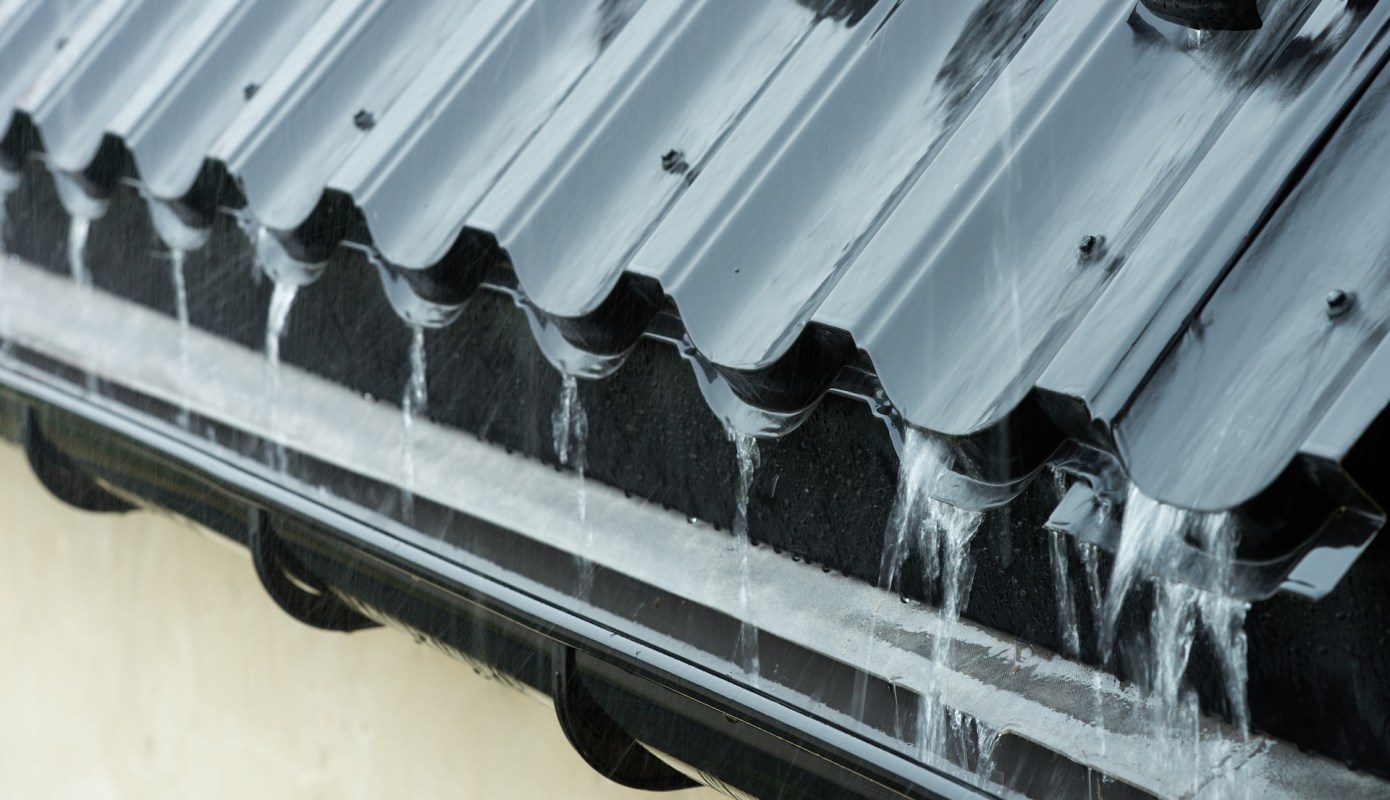
For homeowners planning to rely on rainwater, the roof can do far more than simply keep the house dry. It can also shape water quality, maintenance needs, and replacement costs.
That was the question facing one off-grid builder, who asked whether spending $22,000 on a standing seam metal roof would be worth it over less expensive alternatives if a cistern will provide much of the home's water.
Here's what to know
On Reddit's r/OffGrid forum, the poster said they are "currently self building our forever home on family land" and expect about 3,600 square feet of roof decking to be available for collecting rainwater.
The cost breakdown was a major part of the decision: materials were estimated at about $22,000 for 24-gauge standing seam metal, $12,000 for exposed fastener metal, and around $5,000 for asphalt shingles.
Because the house will use a cistern, the builder said rain capture "will make up a significant portion of our water supply."
That means exposed fastener metal could save about $10,000 upfront compared to standing seam, while shingles could save roughly $17,000 at the outset.
TCD Picks » Quince Spotlight
💡These best-sellers from Quince deliver affordable, sustainable luxury for all




Even so, commenters overwhelmingly argued that metal is the better option when rainwater quality and longevity are taken into account.
One commenter with experience collecting roof runoff wrote, "Properly installed, they can last 30 or more years."
The same commenter added, "Our current metal roof although needing replacement is nearly 70 years old."
More background
A cheaper roof may lower the initial construction cost, but replacement cycles, repairs, and water treatment concerns can add up when the roof serves as part of the home's water system.
Several commenters warned that asphalt shingles can shed more debris into collected water than metal roofing.
"Shingles contaminate water the worst. Exposed fastener works fine on a budget, but will fail before standing seam. Standing seam for the long term win," one commenter wrote.
One commenter who lives on rainwater described a system that gathers runoff from a metal roof into two tanks before filtering it. As they explained, "The sediment from the roof settles to the bottom of the tanks," and the pickup valve is placed above the tank floor so that settled debris is not drawn into use.
Geography is another factor that commenters noted. Nearby highways, industrial sites, and farms can create pollution, so seeing how far you are from these locations can help determine whether basic filtration is enough or whether you need more.
What can be done?
If standing seam feels too costly, exposed fastener metal may still offer a cleaner and longer-lasting option than shingles while creating about $10,000 in upfront savings.
Commenters also shared ways to improve rainwater systems regardless of which metal roof is chosen: use filters, keep tank outlets above settled sediment, and consider a solids lifting outlet that helps remove sludge when tanks overflow.
The thread also noted that the roof was designed with future solar in mind, although the builder said they might still choose a ground-mounted system rather than put penetrations through the roof.
Where can I learn more?
These articles explore the same questions from a few different angles: how a roof can support rain capture, how higher upfront costs may pay back over time, and how water and energy systems often need to be planned together. They also show why runoff, durability, and even future solar matter more when a home is built for long-term self-reliance.
• For DIY systems, collecting rainwater yourself can stretch supplies for gardens and more.
• Some homeowners treat an upfront investment in greener roofs as long-term savings.
• Homeowners pairing a Tesla Solar Roof with Powerwalls have even earned grid revenue.

Get TCD's free newsletters for easy tips, smart advice, and a chance to earn $5,000 toward home upgrades. To see more stories like this one, change your Google preferences here.






