


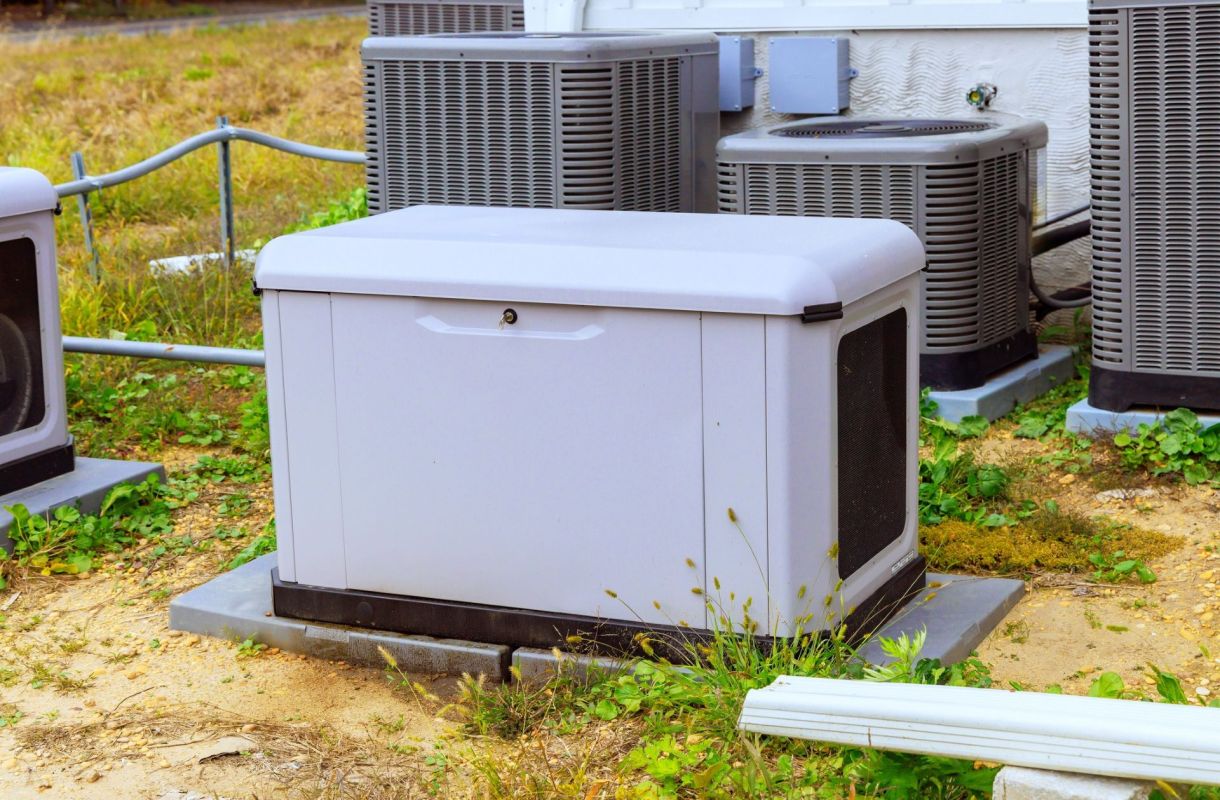
Backup power systems usually increase energy independence and make households more resilient against extreme weather events, but a homeowner whose standby generator failed during a power outage faced the possibility of replacing the entire unit.
Here's what to know
The homeowner turned to Reddit's r/Generator for advice. They said that when the power went out, their 10-year-old standby generator failed, even though its most recent service visit was in August. Starting the generator manually did not resolve the problem. It would run, then click off.
They also shared photos of the equipment and asked whether the yellow discoloration indicated surge damage.
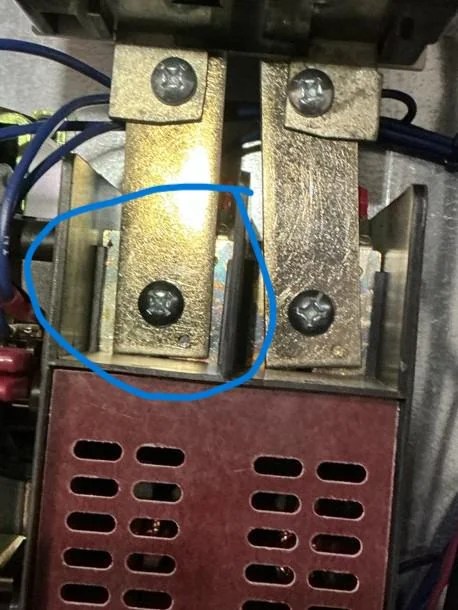
During a nighttime visit, a technician raised the possibility of surge damage to the automatic transfer switch, or ATS. Their remedy was possibly replacing the entire generator. But the homeowner worried they were being pushed into an unnecessary purchase.
"Please tell me that ATSs or generators can be fixed by replacement parts and don't need to be completely replaced!" they wrote.
More background
Commenters overwhelmingly advised the original poster to get another opinion.
TCD Picks » Quince Spotlight
💡These best-sellers from Quince deliver affordable, sustainable luxury for all




"The yellowing is most likely not from 'power surges,' which are short duration events. More likely it is from the yellowed areas being subjected to sustained high temperatures. A competent tech will be able to properly diagnose and address the issue," one said.
"Ask for the lead tech or the most experienced guy," another echoed. "I don't think it is necessarily a company driven agenda, but rather inexperienced technicians shotgunning the problem."
"A $300 part is a long way from needing a whole new generator," a third remarked.
For homeowners who don't need a whole-home backup system and are exploring backup power options, plug-and-play batteries are an affordable and flexible alternative.
And when advice raises more questions than answers, getting a second expert opinion — or another quote — is a smart move to ensure you are protecting your investment.
"Maybe the screw on that side needs to be tightened a little and is running at a slightly higher resistance/warmer but not dangerously so," someone else concluded.
Where can I learn more?
Other generator owners have also struggled to pin down a problem or decide on a repair.
• A generator owner reported 235-245V voltage swings as a technician pushed a fix before warranty expiration.
• A generator failed on its second use, and support seemed to suggest owner fault.
• A homeowner's backup generator troubleshooting during an outage prompted commenters to question prior testing.
• A generator died after 20 minutes, leading Reddit users to suspect a carburetor issue.
• A standby generator failed after ants nested in its regulator, potentially requiring a $100 part.

Get TCD's free newsletters for easy tips, smart advice, and a chance to earn $5,000 toward home upgrades. To see more stories like this one, change your Google preferences here.
Cool Picks






