


A kettle labeled "stainless steel" may sound like an easy buy-it-for-life choice, but shoppers in a lively online discussion said that label can leave out whether plastic touches the water you drink.
For people trying to avoid exposure to plastic, reduce repeat purchases, and get better long-term value, the distinction matters.
What's happening?
On the "Buy it for life" forum on Reddit, a poster argued that electric kettles marketed as stainless steel often still feature plastic parts somewhere along the water's boiling path.
To make that case, the original poster wrote: "If you're looking for a lifetime kettle, you're probably looking for '100% stainless steel' on the box. But 'stainless steel' almost never means a 100% plastic-free boiling chamber."
The OP said parts with plastic can be the water-level gauge, the spout screen, the underside of the lid, and, in variable-temp models, the seal around the temperature probe.
"To get a totally inert, zero-degradation boiling experience," they added, "you need full 304/316-grade stainless steel or borosilicate glass with zero synthetic contact points. Don't trust the 'BPA-free' marketing. If you want true BIFL, you have to inspect the internal water path yourself."
TCD Picks » Quince Spotlight
💡These best-sellers from Quince deliver affordable, sustainable luxury for all




That observation sparked a broader debate over whether a plastic-free electric kettle is even possible to find.
One commenter summed up the frustration, saying: "You seem to have done a lot of research, but you have found nothing to recommend? I was waiting for the recommendation at the end, not a request. Feels like if you haven't found it, it may not exist."
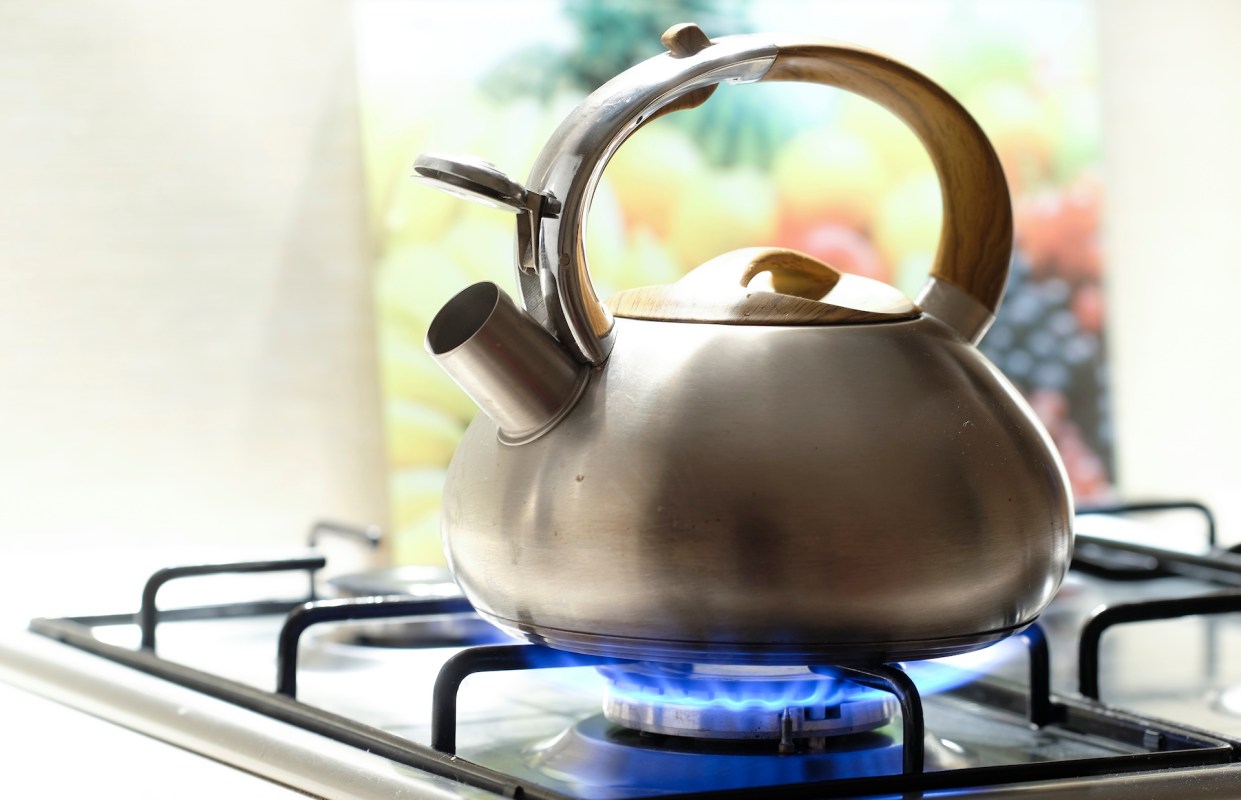
"Personal experience: If you want plastic-free, you'll probably have to go via the stovetop route and get a cast iron kettle that can do induction," another person noted.
A third user wrote: "Kinda obsessed with the specificity of your analysis. I usually think I'm crazy for going this deep, but I'm glad I'm not the only one."
Why does it matter?
For BIFL shoppers, the issue is not just about materials but also durability, replacement costs, and getting years from a single purchase. A kettle that needs replacing every couple of years can quietly become more expensive than a sturdier option with a higher upfront price.
The OP framed it in strict terms, writing, "A true BIFL kettle shouldn't just physically survive a decade; it should keep your water chemically neutral for that entire time."

Get TCD's free newsletters for easy tips, smart advice, and a chance to earn $5,000 toward home upgrades. To see more stories like this one, change your Google preferences here.






