


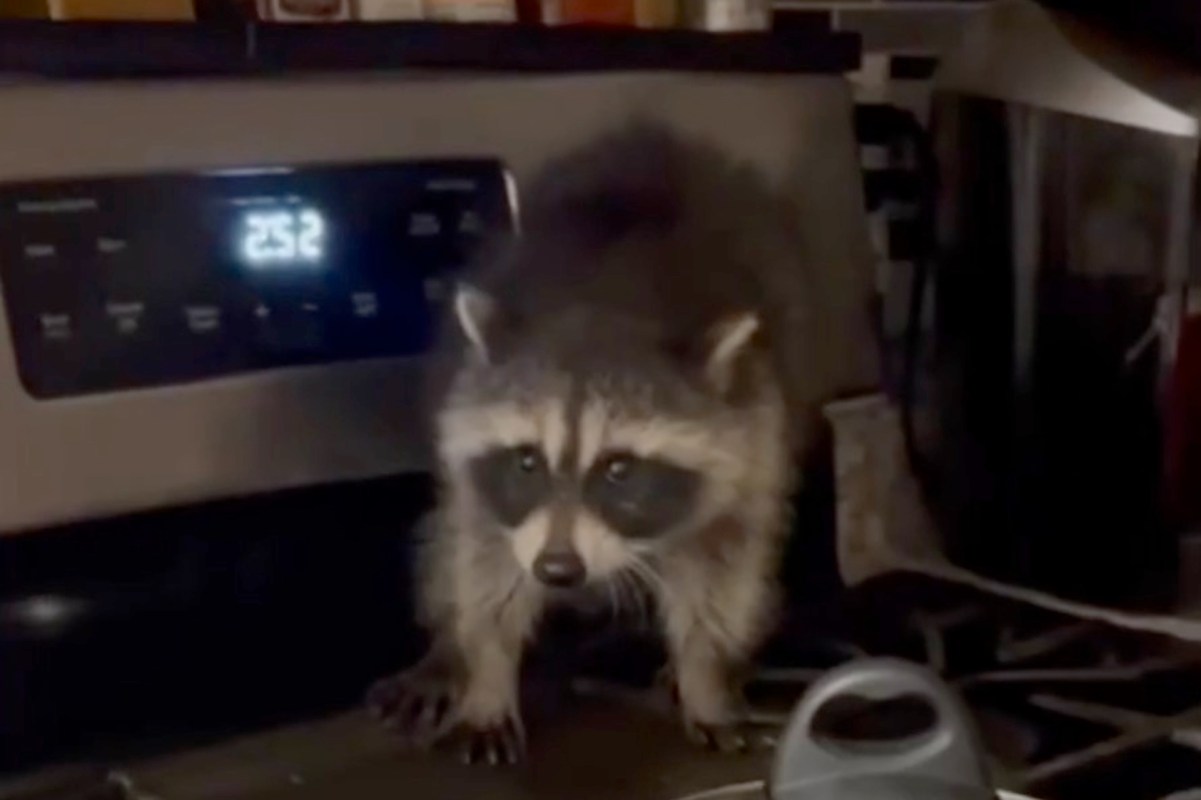
St. Louis homeowner Cecilia Velazquez got an unforgettable surprise around 3 a.m. when a loud crash sent her into her kitchen, where she found a raccoon perched on top of the stove.
What happened?
As Yahoo reported, the animal had come in through the home's dog door and knocked over flowerpots while moving through the house.
Velazquez posted video of the encounter on Instagram, showing the raccoon's scared reaction to the human contact:
While deciding how to get it outside safely, Velazquez stayed calm and gave the raccoon water, bread, and apple slices.
In the end, she wrapped the raccoon in her jacket, carried it outside, and released it in the backyard.
Why does it matter?
Wildlife encounters are becoming a more common part of daily life, especially in cities and suburbs where animals and humans share space more closely.
TCD Picks » Quince Spotlight
💡These best-sellers from Quince deliver affordable, sustainable luxury for all




Raccoons are highly adaptable animals and are often drawn into neighborhoods by easy access to food, water, and shelter. In this case, a dog door created a direct path into a human living space, showing how ordinary home features can unintentionally invite wild animals indoors, particularly at night, when raccoons are most active.
As development expands and animals grow more accustomed to navigating built environments, surprise encounters like this may become more frequent.
What can I do?
If a wild animal gets into your home, experts generally advise against cornering it or trying to handle it unless there is no safer option. In most cases, the best first step is to give the animal a clear path to exit, keep children and pets away, and contact local animal control or a wildlife rehabilitator if necessary.
Homeowners can also reduce the chances of repeat visits by securing pet doors, sealing off crawl spaces, and removing common attractants such as pet food, trash, or compost. Checking screens, vents, and other small openings can also help keep curious animals from turning a house into a temporary shelter.
These moments are often shaped in part by human behavior and design choices, not just animal instinct. Prevention often starts with making homes less inviting to wildlife in the first place.
Velazquez's late-night visit could have turned into a much worse situation. Instead, the raccoon was safely returned outside, making for a bizarre kitchen scene that shows how closely human and wild spaces now overlap.

Get TCD's free newsletters for easy tips, smart advice, and a chance to earn $5,000 toward home upgrades. To see more stories like this one, change your Google preferences here.






