


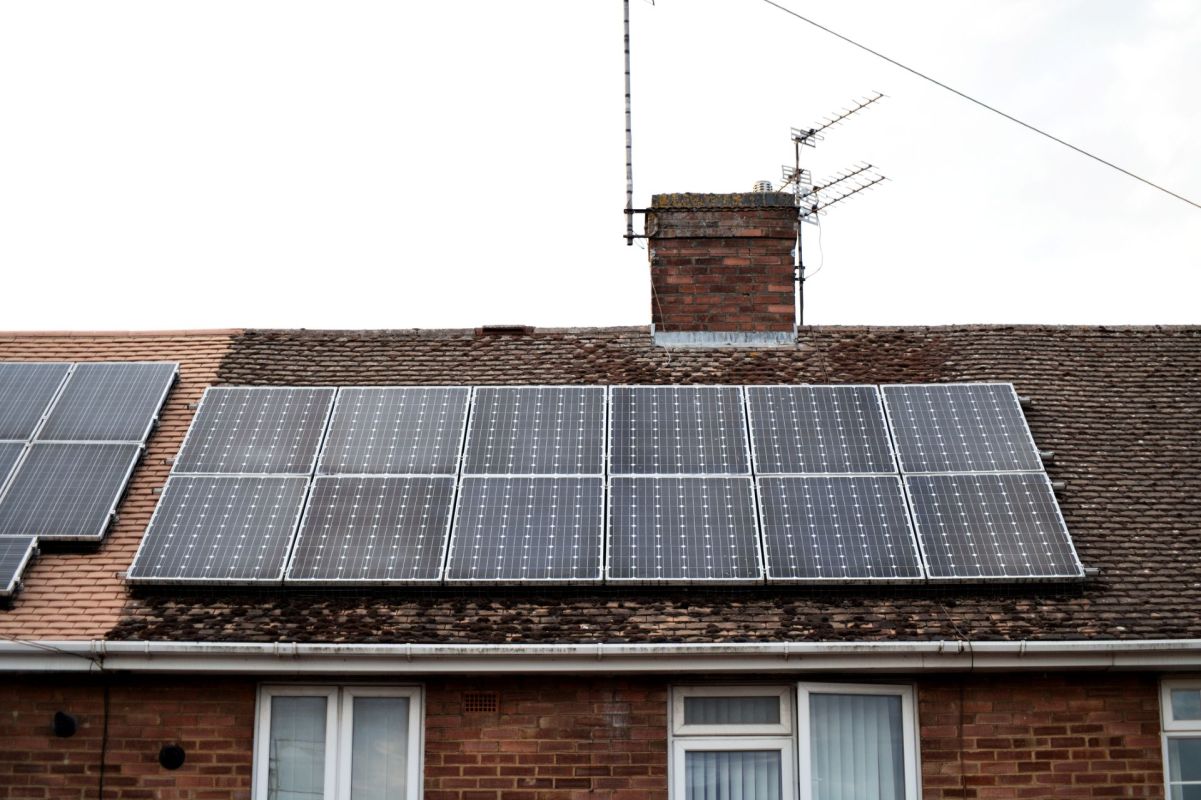
Installing rooftop solar and a home battery is supposed to give homeowners more control, from lower electricity bills to backup power and cleaner energy for everyday life.
But as one U.K. homeowner found, even a sleek new setup can come with a frustrating catch.
Here's what to know
A thread on Reddit's r/SolarUK forum focused on a new home energy system with 17 455-watt panels — about 7.7 kilowatts of generation capacity — along with a Powerwall 3 and Tesla Gateway for backup. As the original poster wrote, "I've had 7.7kw of generation installed on the roof alongside a Powerwall 3 and Tesla Gateway with home backup."
What frustrated the homeowner wasn't the hardware, but the setup. As they explained, "the installers have configured it in a way where the battery cannot discharge to my EV." For electric vehicle owners, that can wipe out one of the biggest everyday benefits of combining solar and battery storage: charging a car with stored solar power after sunset.
Going solar is one of the best ways to save money on home energy, especially when homeowners can compare options before deciding. Tools such as EnergySage let people get free solar installation estimates and compare quotes.
The discussion also touched on cost. The original poster said the system came to "£14k all in," and one commenter praised the workmanship, writing, "It looks a very neat installation and professional."
More background
The thread also turned into a quick price check. One commenter said a comparable setup with 13 panels and a Powerwall 3, but no gateway, cost £10,400, adding that the gateway had been quoted as "an extra 1000." Another commenter said they had received six quotes "all in the 13.5/14k mark for 14 panels, pw3 & gateway."
Commenters also debated the roof layout. Explaining why a vent was not moved, the original poster said, "We did look in to having it moved but DNO restrictions limited us to 17 Panels so decided against." Another commenter disagreed, writing, "DNO can't restrict the amount of panels you have, only the amount of power you send back to the grid. This would have been an easy setting change on the inverter."
Save $10,000 on solar panels without even sharing your phone number Want to go solar but not sure who to trust? EnergySage has your back with free and transparent quotes from fully vetted providers that can help you save as much as $10k on installation. To get started, just answer a few questions about your home — no phone number required. Within a day or two, EnergySage will email you the best local options for your needs, and their expert advisers can help you compare quotes and pick a winner. |

Export rules, inverter settings, roof layout, and battery configuration can all shape how much value a household gets from the system.
What can be done?
Battery interaction with EV charging, export limits, and roof obstacles can all affect the final design.
EnergySage's free services can also simplify the shopping process. With EnergySage's help, the average person can save up to $10,000 on solar purchases and installations. For U.S. homeowners, EnergySage's solar map shows the average cost of a home solar panel system by state, along with details on solar panel incentives for each state. Together, these resources can help readers get the best price for rooftop solar panels and access available incentives.
Adding battery storage to a solar setup is one of the best ways to protect your home during outages, save money on energy, and go off-grid. It can also make day-to-day life easier by keeping key appliances running and storing electricity for later use. Homeowners interested in home battery storage options, including competitive installation estimates, can explore EnergySage.
More From EnergySage
💡Go deep on the latest news and trends shaping the residential solar landscape

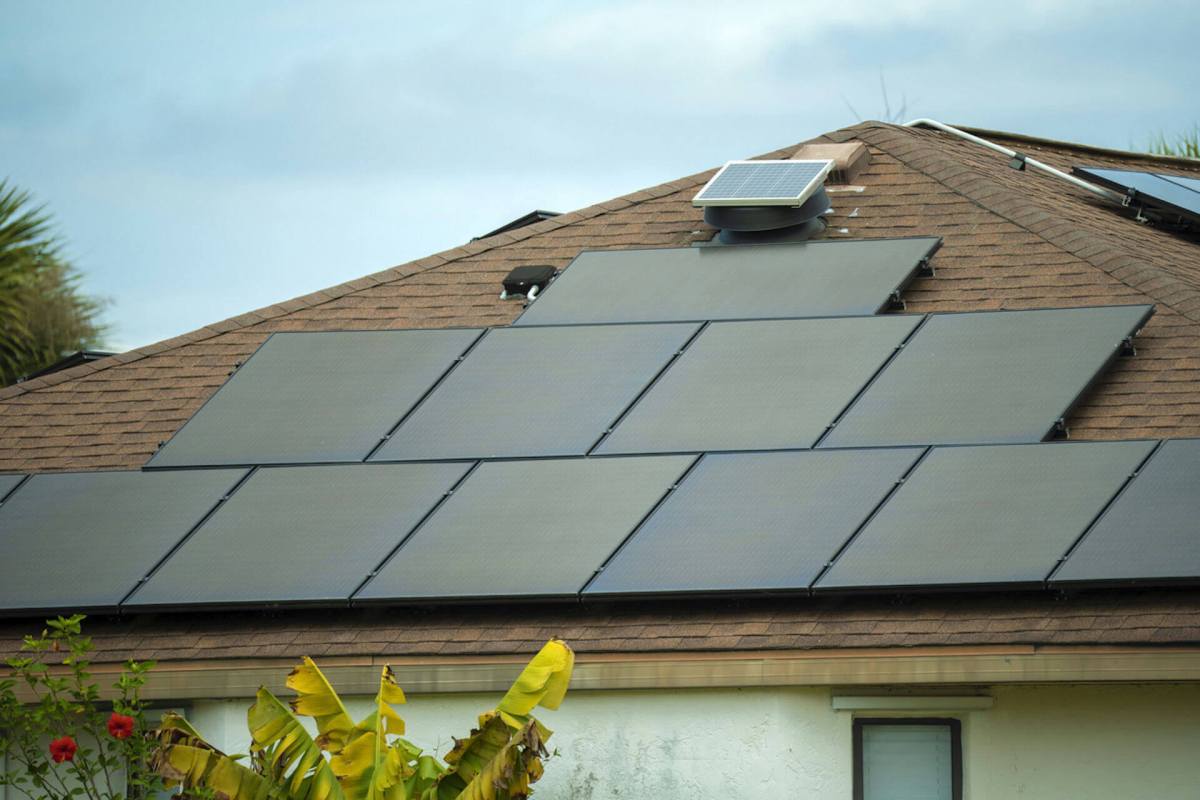

As one commenter put it: "Come next summer that 7.7 kWp should generate loads of free electricity!"
Where can I learn more?
These stories dig into the same questions that came up in the Reddit thread, from how battery storage fits into everyday use to what homeowners can actually do with a Tesla Powerwall. They also highlight how system design, cost, and access can shape whether solar delivers the flexibility people are hoping for.
• One off-grid homeowner has an impressive battery garage setup that even charges visiting EVs.
• Tesla has pushed Powerwall installations worldwide past half a million as home backup demand grows.
• In England, residents funded the first community-owned battery to keep extra solar power useful.
• Sunrun keeps expanding solar subscription plans as upfront costs still deter homeowners.
• In Colorado, officials promoted plug-in solar panels for residents blocked from rooftop installs.
That's why setup details matter so much. With the right design, rooftop solar and storage can do far more than look good on paper — they can work the way homeowners expect day-to-day.

Get TCD's free newsletters for easy tips, smart advice, and a chance to earn $5,000 toward home upgrades. To see more stories like this one, change your Google preferences here.






