


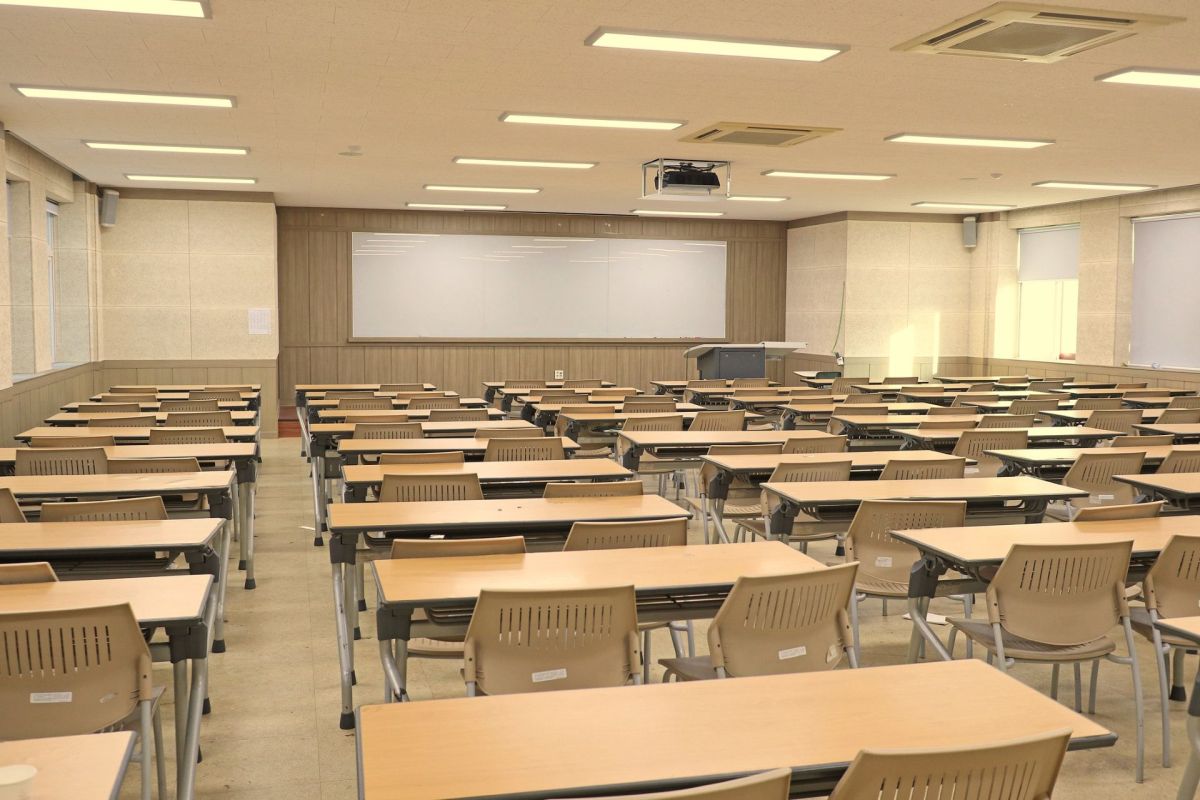
When classrooms get too hot, it can become harder for children to focus, stay healthy, and safely make it through the school day.
Parents in Southern California are now calling for immediate action from school leaders after it was revealed that just 25% of classrooms in the Torrance Unified School District have AC.
Here's what to know
According to the Daily Breeze, parents across this school district say students are enduring overheated classrooms, and they are now pressing school leaders for solutions.
Traci Yim, who has three kids in the school system, told Daily Breeze that "Every year has gotten hotter and hotter. This is not a new problem. Last year, it was an issue. This year, it's an emergency."
Another parent, Danielle Thomas, explained at a TUSD school board meeting that, per the Breeze, "We have a lot of concerns that the current measures are not enough. The classrooms are still reaching temperatures in the 90s. My own children have come home with heat rashes from school. The measures are providing some relief, but they're not adequately helping these kids."
TUSD is working on several solutions, including "weather days," which would work like snow days but for extreme heat. Additionally, the district is looking into attracting funding to deal with overheating classrooms, per the Breeze.
TCD Picks » Quince Spotlight
💡These best-sellers from Quince deliver affordable, sustainable luxury for all




More background
Heat is not just unpleasant for children trying to learn. It can contribute to headaches, fatigue, dehydration, and difficulty concentrating, particularly for younger children. When classrooms become too warm, student well-being suffers, along with learning.
Students in overheated classrooms may struggle academically, miss more school, or face health concerns that send them to the nurse or force them to go home early. Teachers and school staff can be affected, too.
The situation also reflects a broader issue affecting many school systems: aging buildings have often failed to keep pace with rising temperatures, leaving families to push for upgrades only after conditions become too serious to ignore.
Cooling at schools has become an increasingly urgent issue as hotter days put more strain on outdated infrastructure. Many public school campuses were built for a very different climate reality, and unfortunately, installing or expanding air conditioning can be costly, slow, and difficult to manage.
Unsafe school conditions can also disrupt community stability, especially for families who may not have the flexibility to keep children home or quickly adjust when the school day is interrupted.
Where can I learn more?
The pressure families are feeling over hot classrooms is showing up in other ways, too. These stories look at how worsening weather and aging infrastructure are disrupting schools, children's health, and daily life in California and beyond.
• In Mill Valley, excessive flooding threatens school access and leaves students missing class time.
• Across the US, children's mental health is impacted as severe weather reshapes childhood.
• In several states, worse extreme weather is making daily life harder for nearly everyone.
It's clear that classroom heat is tied to bigger strains on schools and communities. As extreme weather gets worse, questions about where children can learn safely are becoming harder to ignore.

Get TCD's free newsletters for easy tips, smart advice, and a chance to earn $5,000 toward home upgrades. To see more stories like this one, change your Google preferences here.






