


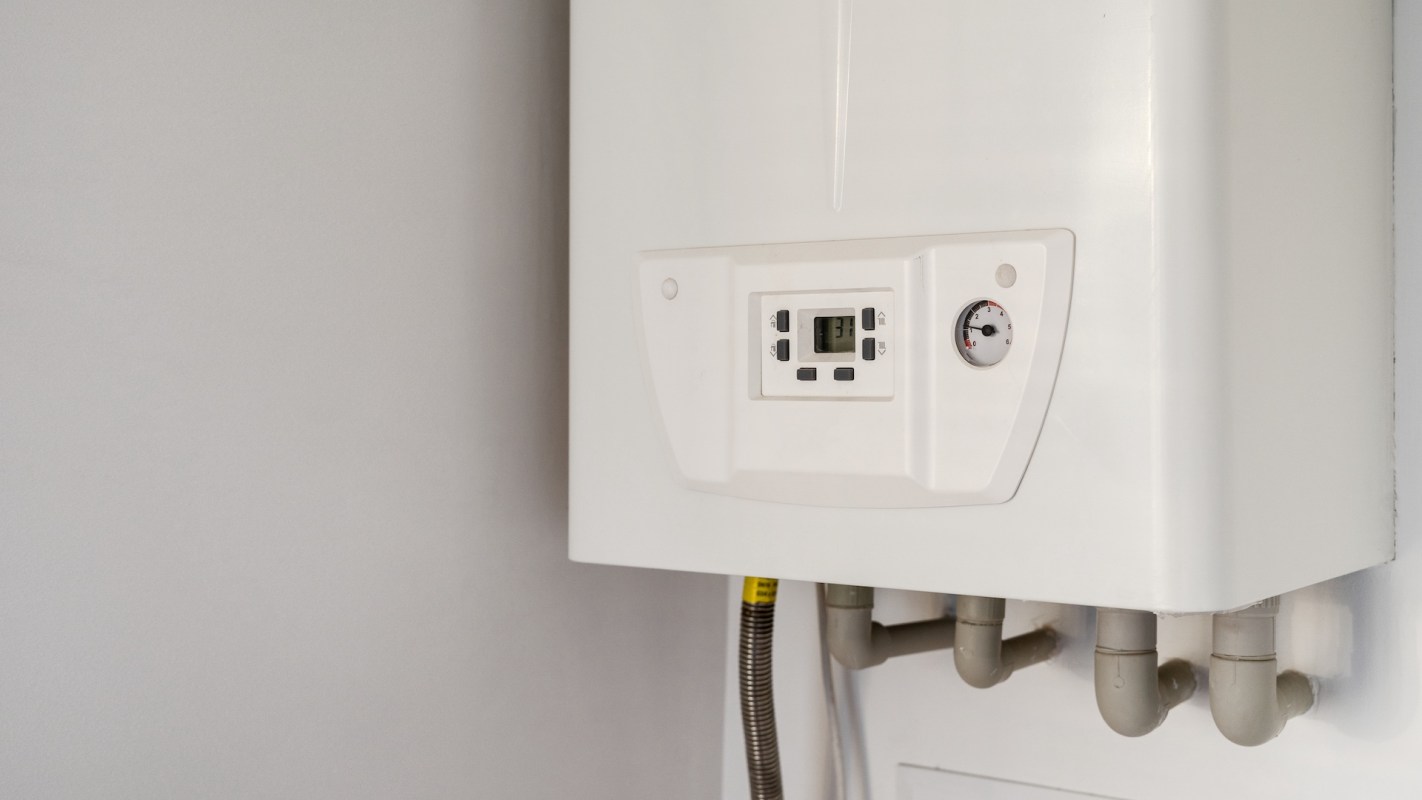
A South Texas renter says a basic utility problem quickly spiraled into housing chaos after an apartment building lost hot water for a week.
What started as a temporary water shutoff for an emergency apparently ended with tenants being told they may need to leave their studios and prepare to move into different units.
What happened?
The renter said their building had been without hot water for a week after service was briefly shut off because of an emergency. In the post on Reddit, they added that they had moved into the South Texas apartment — their first — just last month.
A week later, the problem still had not been fixed, the poster wrote, even though management had already sent two emails saying it was trying to resolve the issue "asap."
During an unrelated stop at the leasing office a few days later, the renter said they were told management wanted to move everyone out of the building because of "how long it would take to fix the hot water situation."
They also said studio residents were being told they would be placed in one-bedroom units "without change to rent and lease." But, according to the post, tenants still had no firm move date and had not received a direct email to residents in the building laying out the full plan.
TCD Picks » Quince Spotlight
💡These best-sellers from Quince deliver affordable, sustainable luxury for all




Why does it matter?
A prolonged lack of hot water can disrupt daily life, affecting hygiene, cooking, cleaning, and basic comfort.
Being told to start preparing for a move without clear written notice or a definite date can create stress for tenants already dealing with a service outage.
What can I do?
For renters facing utility outages or sudden relocation plans, the first step is often documentation. Saving emails, taking notes on conversations with management, and requesting written clarification on timelines, unit changes, and lease terms can help create a paper trail.
It can also be useful to review local and state tenant protections, especially around habitability standards, notice requirements, and repairs. In some cases, tenants may want to contact a local tenants' union, legal aid office, or housing department to better understand what options are available.

Get TCD's free newsletters for easy tips, smart advice, and a chance to earn $5,000 toward home upgrades. To see more stories like this one, change your Google preferences here.






