


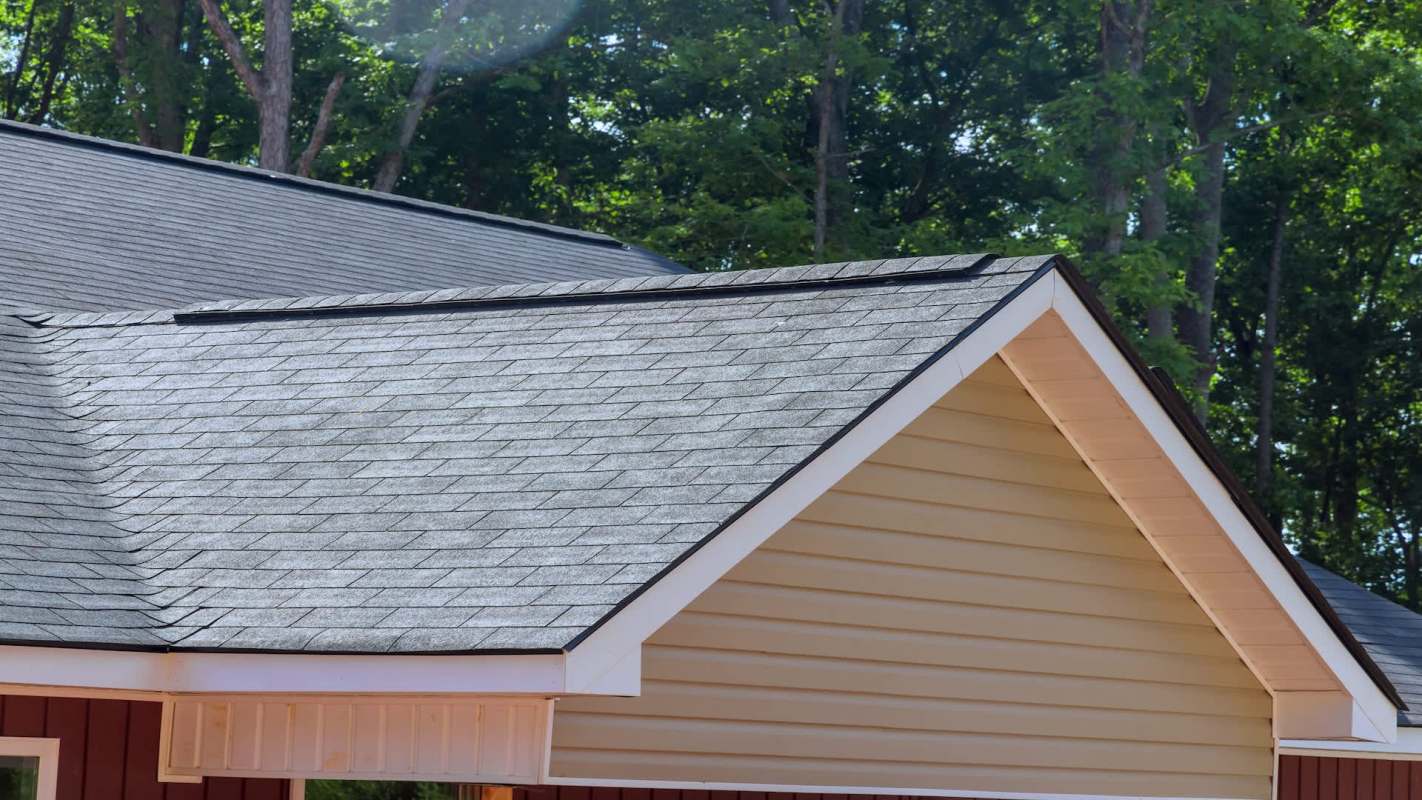
Buying a home with an aging roof may sound like a straightforward negotiation over repair costs. But for one South Carolina buyer using a VA loan, Reddit users said the bigger issue may be whether the property can be insured at all.
Here's what to know
In a Reddit thread on r/RealEstate, a buyer said he and his wife were looking at a renovated house built in 2011 that still had its original 3-tab shingle roof.
The buyer said the property had sat on the market for about a year, with the asking price dropping from $450,000 to $380,000. With that in mind, he asked: "Is it unreasonable for me to ask for a credit to replace the roof, or to have it replaced before closing?"
Responses were mixed, and some commenters pushed back on the idea that an older roof automatically deserves a concession. As one commenter put it, "A house not being new does not automatically entitle you to discounts."
Other replies said a roof of that age is not necessarily worn out, noting that many 3-tab shingles were sold with 20- or 25-year warranties.
One commenter warned, "Before you negotiate the roof, call an insurance agent with the address and roof details."
TCD Picks » Quince Spotlight
💡These best-sellers from Quince deliver affordable, sustainable luxury for all




That point mattered even more because the buyer said he was using a VA loan, which requires acceptable homeowners insurance to be in place before closing.
More background
Commenters said the roof issue was not just about future replacement cost. It also affects whether a carrier will write a policy at all, what the premium could be, and whether the buyer might have to spend money immediately after taking ownership.
As that same commenter put it directly: "A seller credit doesn't solve the problem if the carrier won't write the policy or says the roof has to be replaced right away."
Before negotiating, several replies said the buyer should gather better information. They suggested hiring a roofer for a dedicated inspection, rather than relying only on a home inspector, and getting a written estimate for replacement.
With that documentation in hand, the buyer would have support for any request for a credit or lower price if the roof is actually close to the end of its useful life.
What can be done?
Commenters outlined a checklist: get an insurance quote on the specific home early in the process, have a roofing company evaluate the roof's condition and remaining life, and ask the lender and closing agent how much seller credit can actually be used under the loan terms.
They also stressed that a price cut and a closing credit do different things. A lower sale price may make the deal look better on paper, but it does not necessarily leave the buyer with the cash needed to replace the roof.
If the seller agrees to put on a new roof instead, one commenter said the buyer should get the details in writing, including the shingle type, contractor, permit, paid invoice, and any transferable warranty.
One commenter summed up the decision, writing, "I wouldn't walk just because the roof is 15 years old. I would walk if you can't insure it, the seller won't deal with a documented problem, or replacing it would wipe out your cash after closing."
Where can I learn more?
The insurance concerns that came up in this South Carolina deal are also showing up in housing markets around the country. These stories follow homeowners dealing with canceled policies, nonrenewals, and coverage getting harder or more expensive to keep.
• In Utah, policyholders got notice from the insurance company and were told to ask questions.
• In New Jersey, rising seas are making coverage harder to keep for coastal homeowners.
• Across the U.S., severe weather is increasingly not worth the risk for insurers.

Get TCD's free newsletters for easy tips, smart advice, and a chance to earn $5,000 toward home upgrades. To see more stories like this one, change your Google preferences here.






