


After reports that some South Carolina renters had been living for weeks or even months without air conditioning, the company overseeing their apartment complex says cooling has now been restored in every affected unit.
For tenants enduring summer heat indoors, the fix may provide some relief, but the situation also raises broader questions about habitability, repair timelines, and how much control renters have over their homes.
What happened?
At Park Square Apartment Homes in Spartanburg, Highlands Vista Group said two new HVAC systems reached residents on Tuesday, WSPA reported.
Management told WSPA that just "a few" apartments were affected by the lack of air conditioning. They further claimed that anyone who filed a maintenance request was "instantly" given a window unit or other short-term solution. That statement came after several tenants told 7NEWS that they had been enduring the heat without air conditioning for anywhere from two weeks to four months.
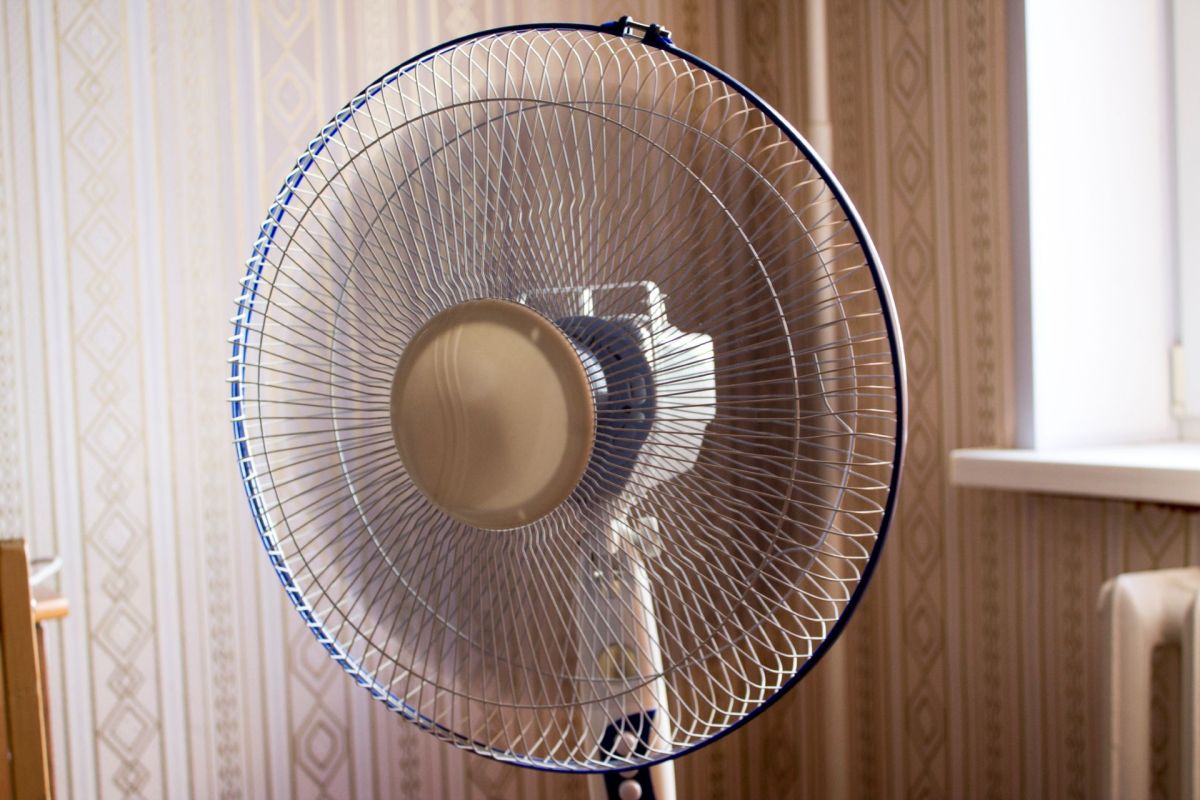
Among them was Park Square tenant Deshawn Gist, who previously showed 7NEWS that the temperature inside his home had climbed to 93 degrees. Despite being provided a window unit, Gist also purchased extra fans to get through the heat.
Once the repair to his AC unit was completed, Gist told 7NEWS the apartment felt far better. However, he said he still intends to find a new home because he believes management was too slow in addressing the issue.
TCD Picks » Quince Spotlight
💡These best-sellers from Quince deliver affordable, sustainable luxury for all




Why does it matter?
Even when temporary solutions are offered, extended periods without reliable cooling can be both dangerous and expensive. Indoor heat can disrupt sleep, worsen respiratory and heart conditions, and force residents to spend more on fans, portable AC units, or time away from home.
The tenants' situation also points to a key limit in state law. In South Carolina, apartment complexes are not obligated to offer air conditioning, WSPA noted, but any AC they do provide must be kept in reasonably good and safe working condition.
Renters across the country often have limited power to make practical, money-saving changes to where they live. Some landlords and housing associations have been criticized for blocking steps such as planting gardens or hanging clotheslines to dry laundry — small lifestyle changes that can lower household costs and make homes more resilient during extreme weather.
When residents cannot get repairs quickly or make simple home adjustments, they can be left with fewer tools to stay safe and comfortable.
What's being done?
For now, the property's management says that all existing AC problems have been addressed. However, tenants across South Carolina and the U.S. continue to face similar issues in the midst of stifling summer heat.
For renters dealing with AC problems, documentation can be important. Saving maintenance requests, taking dated photos of conditions, and keeping receipts for extra cooling supplies can help create a record if disputes arise over habitability or reimbursement.
Because landlord requirements vary widely, it can also help to learn what specific rights apply in your state, county, or city. If building rules are standing in the way of reasonable, cost-saving changes, residents may also want to organize with neighbors and work with management to update outdated policies.
Renters looking for a place to start can check out The Cool Down's HOA guide, which offers tips that may also be useful for renters trying to push for smarter, more flexible housing rules.

Get TCD's free newsletters for easy tips, smart advice, and a chance to earn $5,000 toward home upgrades. To see more stories like this one, change your Google preferences here.






