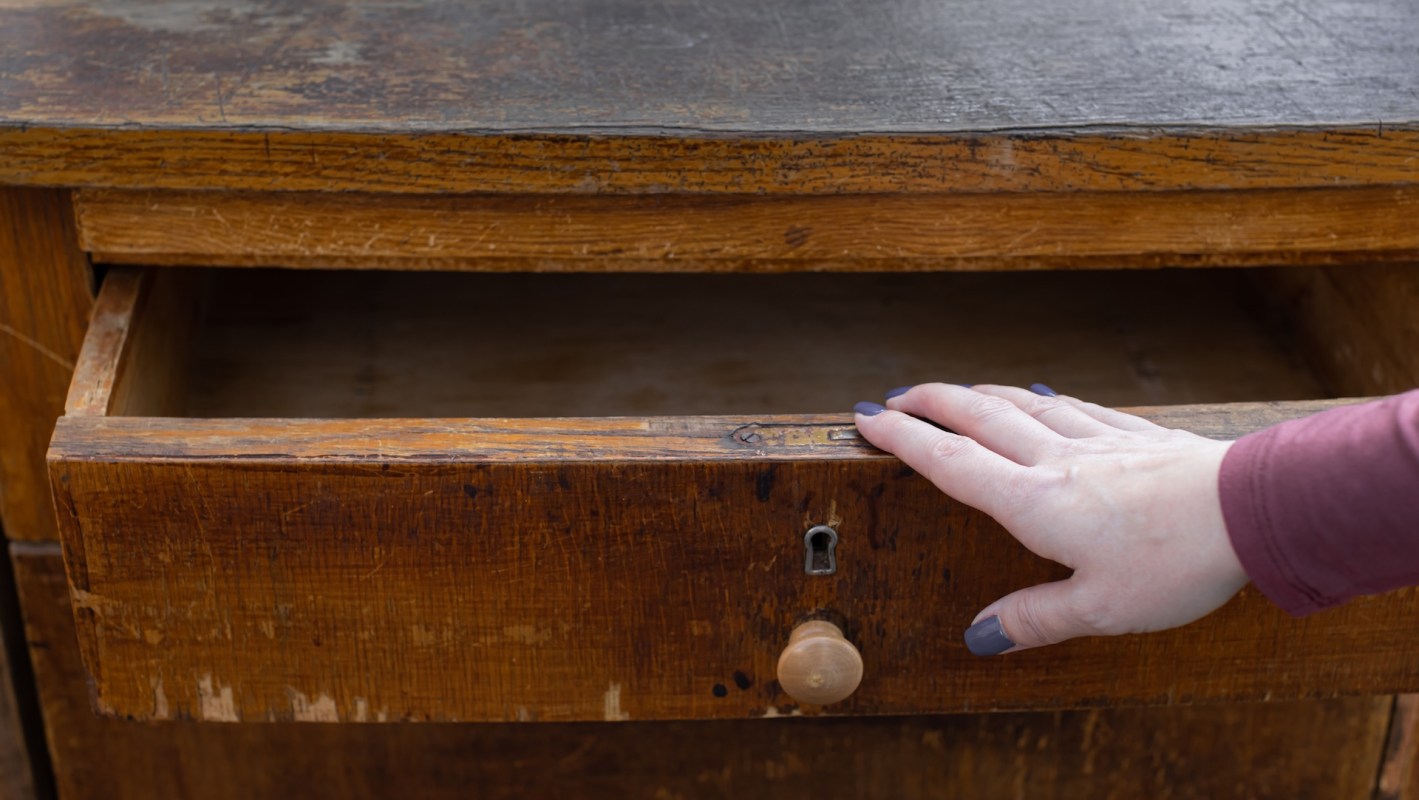
A Reddit post centered on a $40 solid wood dresser underscored how disheartening secondhand selling can be.
What's happening?
In a post on Reddit's r/Anticonsumption forum, the original poster said they had intentionally priced a well-made dresser low. They hoped it would go to someone who needed it instead of a buyer looking for a resale opportunity.
As the OP wrote on Reddit, "Within an hour of my posting it, I have multiple people saying they can come pick it up right away."
What frustrated the OP was the sense that these early buyers were furniture flippers who repaint solid wood pieces and relist them as refurbished for hundreds more.
"It's so exhausting trying to filter through these people and figure out who is just trying to take advantage," they wrote.
Replies split between agreement and a more hands-off view.
TCD Picks » Quince Spotlight
💡These best-sellers from Quince deliver affordable, sustainable luxury for all




One commenter wrote, "When you sell something, you just need to let go. It isn't a living thing."
Why does it matter?
Thrifting and resale can help keep perfectly usable goods out of landfills, save shoppers money on everyday essentials, and even help people uncover rare and valuable items at steep discounts.
But when resellers dominate local listings or thrift aisles, some people feel those benefits become harder for ordinary buyers to access.
At the same time, commenters pointed out that resale still gives items a second life. After all, a sturdy used dresser can cost a fraction of a new one. And reusing furniture reduces demand for newly manufactured goods that require raw materials, energy, and transportation.
One wrote, "People are trying to survive."
Another added, "What you're explaining is exactly what anticonsumption is about: you don't want something and someone else will improve it and allow someone else to enjoy it."
What can I do?
Commenters said there is no perfect way to steer an item only toward neighbors rather than resellers. Several noted that flippers also turn up in community-giving spaces.
Even so, suggestions included listing it in a Buy Nothing group or donating it to Habitat for Humanity.
Some commenters said sellers should choose a price that feels fair and then accept that the next owner might resell or change the piece. Others argued that asking more upfront can help deter quick-flip buyers.
Regardless, shopping secondhand can still be one of the simplest ways to save money and keep great items in use.

Get TCD's free newsletters for easy tips, smart advice, and a chance to earn $5,000 toward home upgrades. To see more stories like this one, change your Google preferences here.