


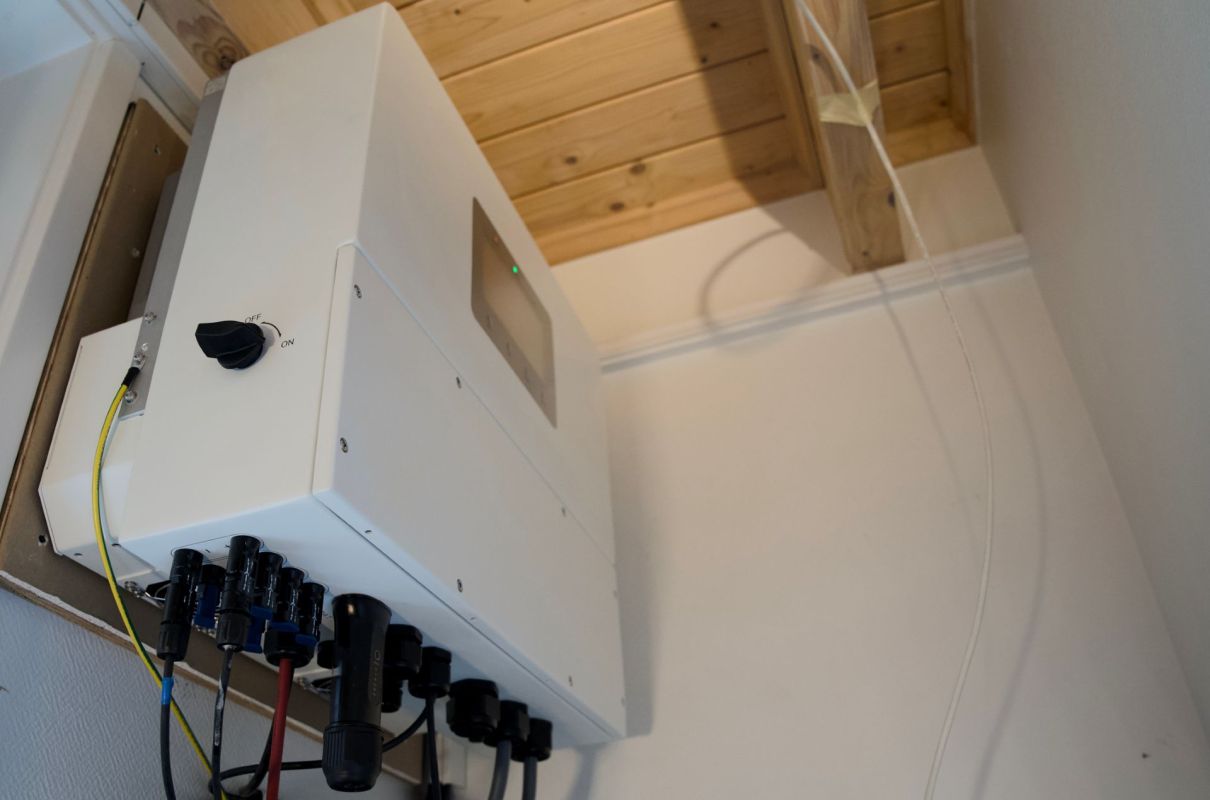
Upgrading your solar energy system to be more resilient to extended blackouts doesn't have to mean replacing all your existing infrastructure. One homeowner is exploring battery storage that would leave their original equipment and interior wiring in place.
Here's what to know
A homeowner took to Reddit to ask for battery storage advice, explaining that they want to be able to use and store solar power during lengthy outages to keep essential appliances running.
They asked for AC-coupled battery recommendations that would work with their SolarEdge SE3000H-US inverter. The homeowner also said they want to retain both the inverter and the optimizers, which are still working well.
For homeowners exploring similar retrofits, EnergySage offers a free resource for researching battery products and comparing competitive installation estimates. EnergySage has also partnered with electrification company Qmerit with the stated goal of helping homeowners secure the best available battery-storage pricing.
More background
A whole-home backup system appeals to this homeowner as a way to keep all circuits live while leaving high-demand appliances off. Their essential loads are modest: refrigeration, internet access, security equipment, lighting, and a few other small devices.
Storing surplus electricity that would otherwise be exported back to the grid could also lower electricity costs, depending on local utility rates and export compensation details. Battery systems designed for off-grid operation can extend a household's independence beyond grid-connected backup.
What can be done?
This homeowner is open to lower-cost or DIY-friendly equipment, as well as Tesla Powerwall and FranklinWH aPower 2. EG4 inverters came up in the replies for an undocumented secondary AC-coupling feature. Commenters also proposed installing a GridBoss between the meter and main panel to provide AC coupling with priority load shedding.
For a smaller-scale approach, Pila offers plug-and-play battery backup at a substantially lower price point than whole-home systems. That alternative could fit this homeowner's limited needs after all.
Crushed by your bills? See instant solar savings from vetted installers in just a few clicks With energy prices through the roof, there's never been a better time to go solar — and EasyHome can help you find the best prices from the best installers in your area. EasyHome takes the guesswork and headaches out of energy upgrades by showing you estimated savings from a network of vetted local partners. To get started, just enter your ZIP and share a few details about your home — seeing your estimate is really that easy. |

Where can I learn more?
Before adding battery backup, homeowners need to know whether their existing solar equipment can keep working during an outage. These stories cover solar shutdowns, additional backup hardware, and the limits of solar generators:
• A California homeowner's solar battery lowers bills but needs extra hardware for blackouts.
• An Illinois solar owner seeking outage protection learned Sunlight Backup has limits.
• A homeowner with eight kilowatts of rooftop solar still needed gas cans and extension cords.
• A U.S. homeowner discovered that solar panels go dark when the grid fails.
• A writer seeking outage backup faced solar generator limitations for refrigerators and power tools.

Get TCD's free newsletters for easy tips, smart advice, and a chance to earn $5,000 toward home upgrades. To see more stories like this one, change your Google preferences here.






