


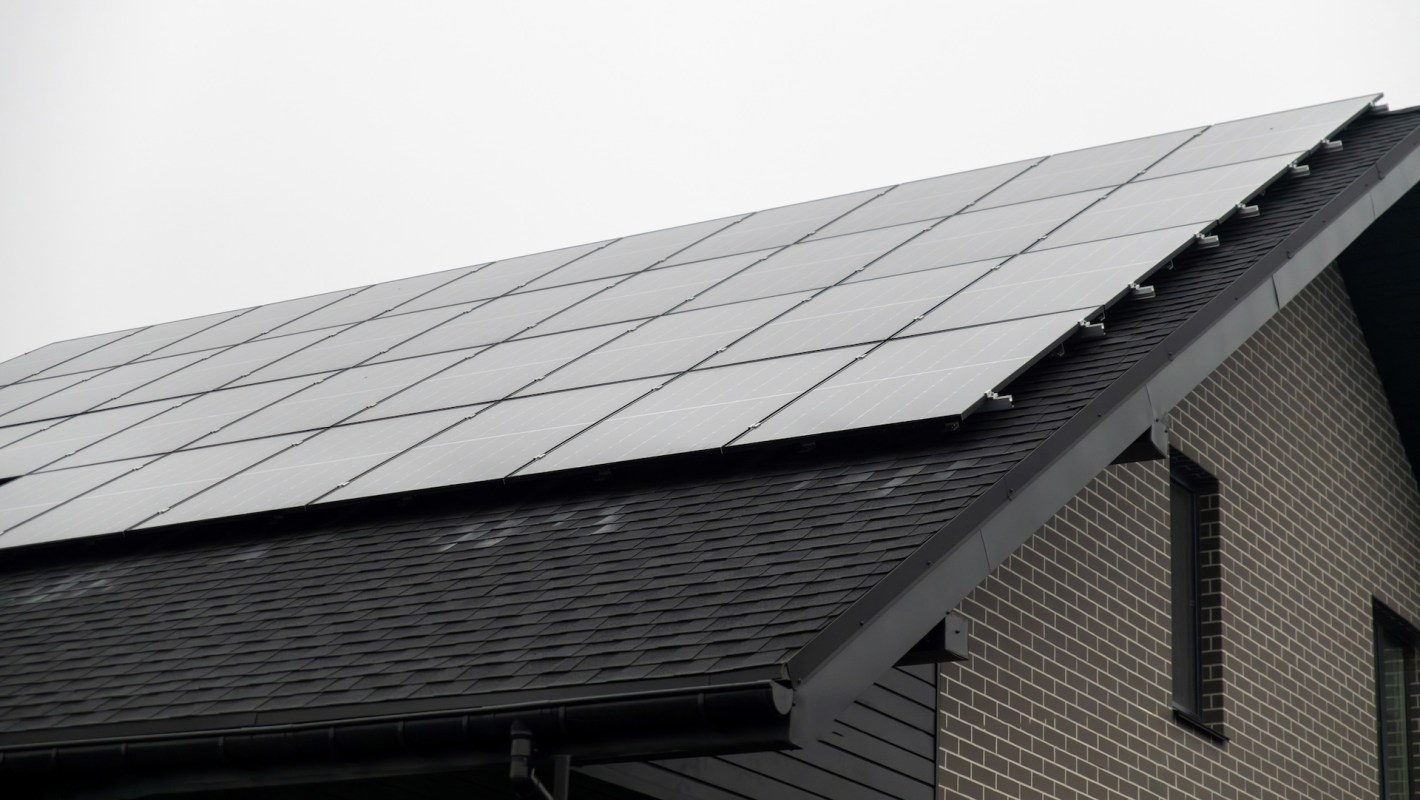
A homeowner who initially blamed weaker winter sunlight for disappointing solar production ended up uncovering a far more frustrating issue instead.
After discovering that half of the home's panels had been offline for months, they took to Reddit's r/SolarEnergy community to ask for help and advice.
Here's what to know
The problem only came to light after the owner's utility bill showed almost no real benefit from the system, a warning sign that many solar households could easily miss if they are only paying attention to monthly credits.
Writing on Reddit, the owner said monitoring data for an Enphase setup installed in 2020 showed that one half of the system had not been generating power since October 15 of last year. At first, that decline blended in with what the original poster took to be normal fall-and-winter output changes.
Crushed by your bills? See instant solar savings from vetted installers in just a few clicks With energy prices through the roof, there's never been a better time to go solar — and EasyHome can help you find the best prices from the best installers in your area. EasyHome takes the guesswork and headaches out of energy upgrades by showing you estimated savings from a network of vetted local partners. To get started, just enter your ZIP and share a few details about your home — seeing your estimate is really that easy. |

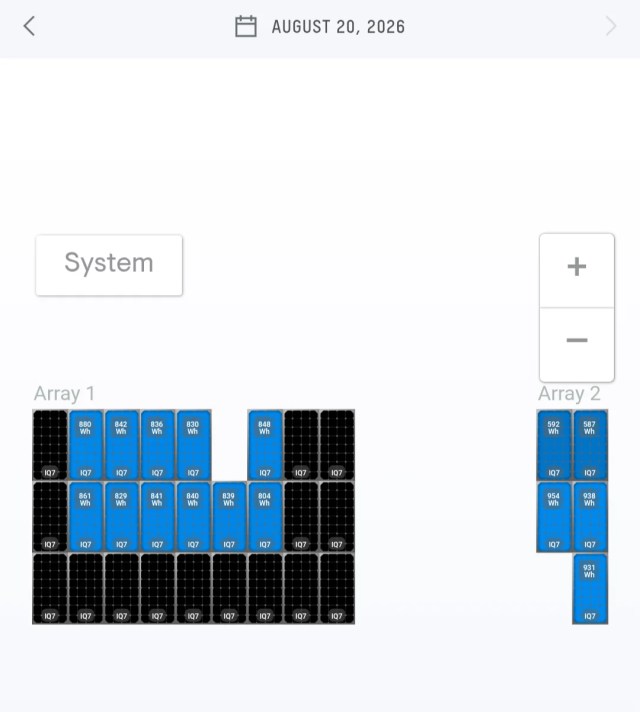
A closer review started only after the family noticed that "we only got a $5 energy credit on our utility bill." That small credit led the owner back to the production logs, where the broader outage became clear.
The OP then asked the solar community, "Any advice? How do I go about rebooting everything? I'd like to try some basic troubleshooting before dishing out $350, in case it's something simple."
One commenter suggested that OP "Check your solar breaker to see if it tripped." Another wrote that "You should have a disconnect on outside of house to shut down [the] entire system for fire or electrician. Throw the disconnect to power down. Wait a minute and power back up."
A third added, "When you say you checked the breakers, did you check the breaker in the combiner? If so, pay the fee. It's worth it."
More background
If a system is still generating some electricity, a homeowner may not immediately realize that one section has stopped working, especially during shorter, darker days, when reduced output is already expected.
But when part of a system is offline, homeowners may need to buy more electricity from the grid, receive lower bill credits, and miss out on the savings they expected when they invested in solar.
Modern monitoring platforms such as Enphase's can make these issues easier to catch, but only if homeowners review their production history from time to time. Looking only at the utility bill may not reveal the full extent of the problem until the losses have already piled up over several months.
Still, for homeowners thinking more broadly about cutting energy costs, going solar is one of the best ways to save money. Exploring EnergySage can help you get free solar installation estimates and compare quotes before signing a contract. Those who do can save up to $10,000 on a solar installation.
More From EnergySage
💡Go deep on the latest news and trends shaping the residential solar landscape


Where can I learn more?
This kind of missed production can be especially frustrating because rooftop solar is meant to lower utility bills, not leave homeowners wondering where the savings went. The articles below look at the financial side of home solar, from annual returns to tax credits that can make a big difference in an installation is value.
• One homeowner still rakes in $800 per year from solar thanks to government incentives.
• An energy expert warned Congress that axing the solar incentives homeowners use to cut costs would be a mistake.
• Another homeowner learned they could get up to $9,000 off a bill through credits.
Keeping an eye on system performance is one part of protecting those savings. Staying current on available incentives can matter just as much.

Get TCD's free newsletters for easy tips, smart advice, and a chance to earn $5,000 toward home upgrades. To see more stories like this one, change your Google preferences here.






