


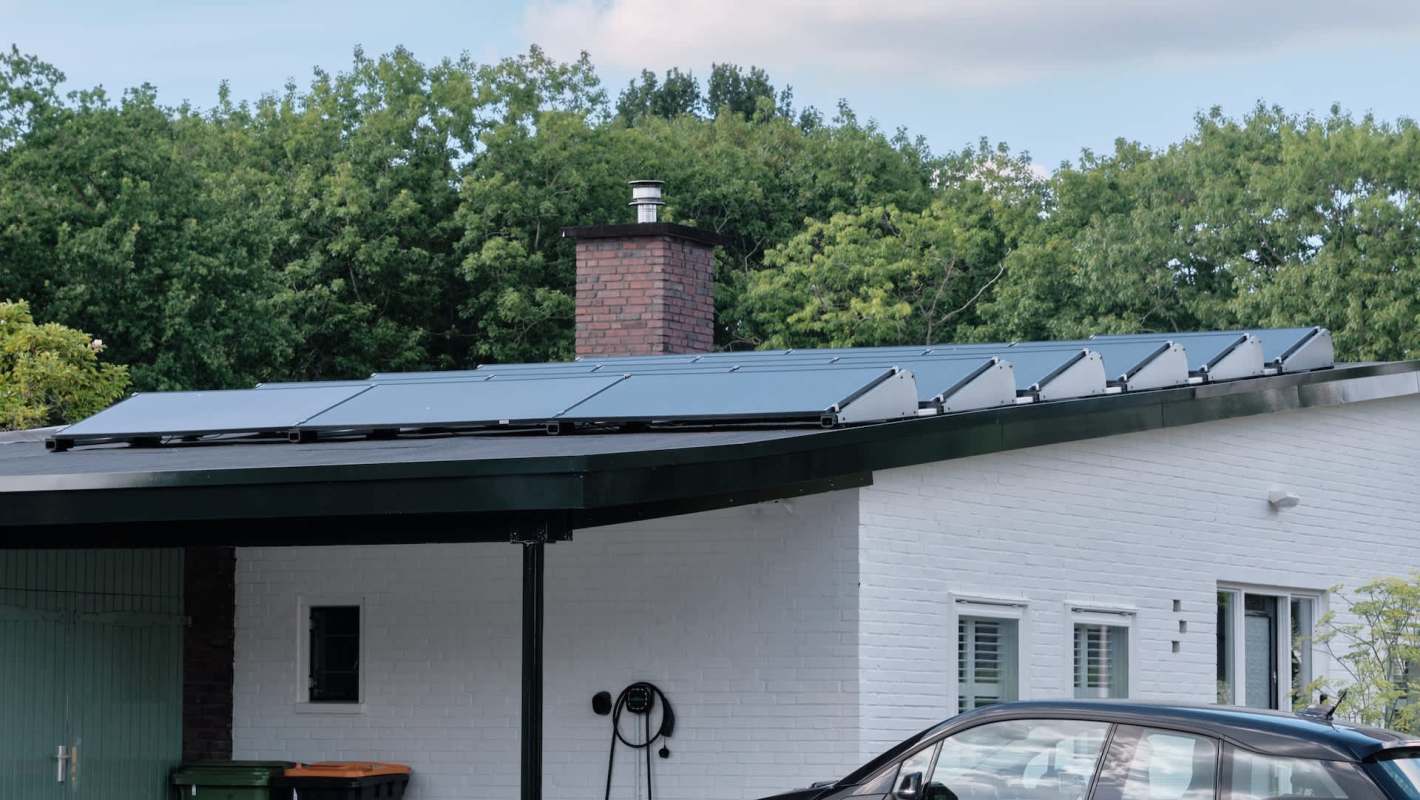
For one Southern California homeowner, several costly months of air conditioning and EV charging turned the power bill into a much bigger budget concern. That led to a basic question: Had solar finally become a smart financial move?
Here's what to know
Calling the property a "forever" home for the next 10 to 20 years, the homeowner turned to Reddit to ask for experiences "from a financial PoV."
The original poster said, "These last 4 months have been crazy expensive with AC and car charger, doubling my bills."
Among the more positive responses, one Reddit user with two EVs said a 10-kilowatt solar system and four Powerwall 3 batteries delivered a "ROI in 4 years for us."
That person added: "We use a lot of electricity. No regrets."
Separately, another Reddit user said their system was already producing annual savings of $2,400 in 2024 and then $2,900 in 2025, with 2026 trending toward about $3,500 even with batteries included.
Going solar is one of the best ways to save money on home energy, especially if your household relies heavily on cooling and EV charging. Homeowners can try EnergySage to get free solar installation estimates and compare quotes.
Redditors also emphasized that LADWP's rate structure changes the math.
Save $10,000 on solar panels without even sharing your phone number Want to go solar but not sure who to trust? EnergySage has your back with free and transparent quotes from fully vetted providers that can help you save as much as $10k on installation. To get started, just answer a few questions about your home — no phone number required. Within a day or two, EnergySage will email you the best local options for your needs, and their expert advisers can help you compare quotes and pick a winner. |

One person said, "Batteries don't make much sense with LADWP because the difference between on peak and off peak power rates are extremely small (30 cents vs. 25 cents)," while another warned that "'1000kWh out = 1000kWh in = $0' only works if your generation and usage line up almost perfectly hour-for-hour and month-for-month."
More background
How quickly solar pays for itself often comes down to utility policy. When net metering is close to 1:1, panels alone can deliver much of the value because extra daytime production can offset electricity used later.
That can matter even more for homes with EVs. In the discussion, one Redditor said their LADWP bill is basically limited to fixed charges despite having two EVs and no battery.
Commenters also distinguished between savings and resilience. Even if batteries aren't the best ROI choice under LADWP's current setup, some homeowners said they still wanted storage for "peace of mind" during outages and greater energy independence.
More From EnergySage
💡Go deep on the latest news and trends shaping the residential solar landscape


What can be done?
One recurring recommendation was to gather a full year of electricity-use records and then project how needs might change, especially if EV charging or hotter summers are becoming more common. Green Button data was one key input before committing.
Adding battery storage to a solar setup is one of the best ways to protect your home during outages, save on energy costs, and go off-grid. Homeowners who want that backup can explore EnergySage for information about home battery storage options, including competitive installation estimates.
For anyone still weighing upfront costs, EnergySage's solar map shows the average cost of a home solar panel system on a state-by-state level, as well as details on solar panel incentives for each state. Together, these resources can help homeowners get the best price for rooftop solar panels and access available incentives. With EnergySage's help, the average person can save up to $10,000 on solar purchases and installations.
Where can I learn more?
These stories dig into the same questions that came up in the LADWP discussion, from EV charging and backup power to the policies that shape solar payback. They also cover battery alternatives, California bill-relief efforts, and the costs that can affect a homeowner's return.
• As outages lingered, homeowners turned to next-gen battery alternatives beyond Tesla's once-dominant Powerwall.
• In California, officials made rooftop solar relief part of efforts to ease rising bills.
• As electricity prices climbed, households saw rooftop solar save them from steeper long-term bills.
• EnergySage's COO broke down interconnected solar costs that can shape a homeowner's payback.

Get TCD's free newsletters for easy tips, smart advice, and a chance to earn $5,000 toward home upgrades. To see more stories like this one, change your Google preferences here.






