


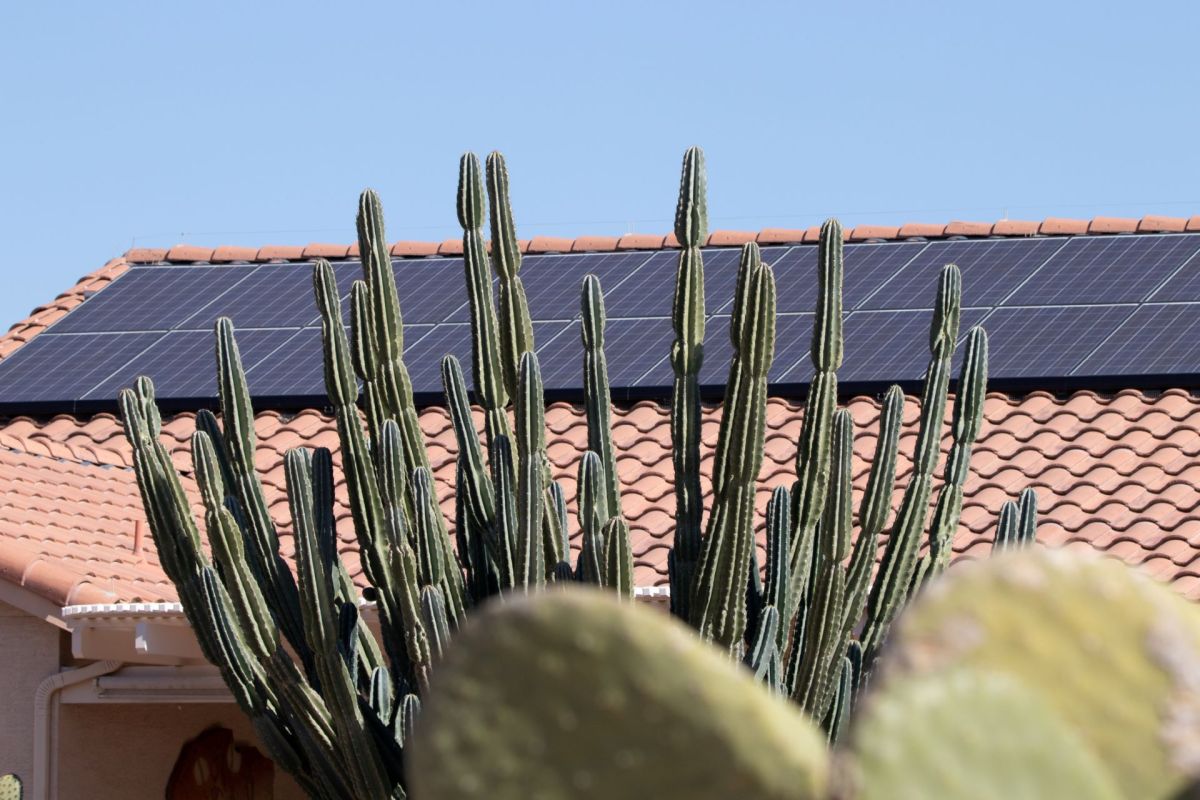
For some Arizona homeowners, a big question is not whether solar panels can work, but whether they will pay off enough to justify the upfront cost.
Here's what to know
In a Reddit thread on r/solarenergy, a couple who had just bought a home in Arizona asked for help.
Solar owners generally said they were happy with their systems. At the same time, some noted that in Arizona, the financial payoff can vary depending on the utility provider and whether a homeowner adds battery storage.
For many Arizona households, the bigger issue is what happens after sundown, when electricity use can stay high because air conditioning is still running. In that setup, storing solar power generated earlier in the day may matter more than sending it back to the grid.
As one commenter put it, it is "Tricky in Arizona because most utilities will only buy back the power your panels produce at some percentage, eg 50%. So it makes sense to buy a big battery too, to mitigate electricity expenses."
Going solar is one of the best ways to save money on home energy, especially if you're trying to cut cooling costs. Homeowners can try EnergySage to get free solar installation estimates and compare quotes before signing with an installer.
Another recurring theme was that batteries can change both savings and reliability.
A commenter from Southern California wrote, "Pro: have not paid the local utility company in almost 4 years; and when the relatively unreliable grid power here goes out I barely notice." The same person also cited the tradeoffs: the "upfront price," the need for occasional cleaning, and lower output on cloudy days.
Save $10,000 on solar panels without even sharing your phone number Want to go solar but not sure who to trust? EnergySage has your back with free and transparent quotes from fully vetted providers that can help you save as much as $10k on installation. To get started, just answer a few questions about your home — no phone number required. Within a day or two, EnergySage will email you the best local options for your needs, and their expert advisers can help you compare quotes and pick a winner. |

More background
For Arizona homeowners, solar savings are not just about how much electricity a system generates — they are also about when that electricity can be used.
When utilities credit extra daytime production at a lower rate than the electricity homeowners buy later, keeping some of that solar energy for evening use can improve the financial return instead of selling it back at a discount.
Adding battery storage to a solar setup is one of the best ways to protect your home during outages, save money on energy, and go off-grid. It also helps homeowners use their own solar power after sunset, when evening demand is still high. For information about home battery storage options, including competitive installation estimates, explore EnergySage.
What can be done?
For homeowners still weighing their options, one of the clearest takeaways from the thread was the importance of comparison shopping.
More From EnergySage
💡Go deep on the latest news and trends shaping the residential solar landscape


EnergySage can be especially useful here: With EnergySage's help, the average person can save up to $10,000 on solar purchases and installations. That can make it easier to determine whether solar makes financial sense before signing a contract.
Homeowners can also use EnergySage's solar map to check the average cost of a home solar panel system on a state-by-state level, along with details on solar panel incentives for each state. Together, those resources can help homeowners get the best price for rooftop solar panels and access available incentives.
Where can I learn more?
• Across the U.S., solar batteries are taking off as power bills climb and storage prices fall.
• Homeowners say solar can still pay off even after federal tax credits disappear.
• In Connecticut, home batteries gained leverage as rooftop solar incentives moved closer to caps.
• In Australia, one homeowner said a 20kW solar setup made blackouts nearly invisible and produced credits.
• Former EnergySage COO Charlie Hadlow says solar pricing depends on installer choices, equipment, and other factors.

Get TCD's free newsletters for easy tips, smart advice, and a chance to earn $5,000 toward home upgrades. To see more stories like this one, change your Google preferences here.






