


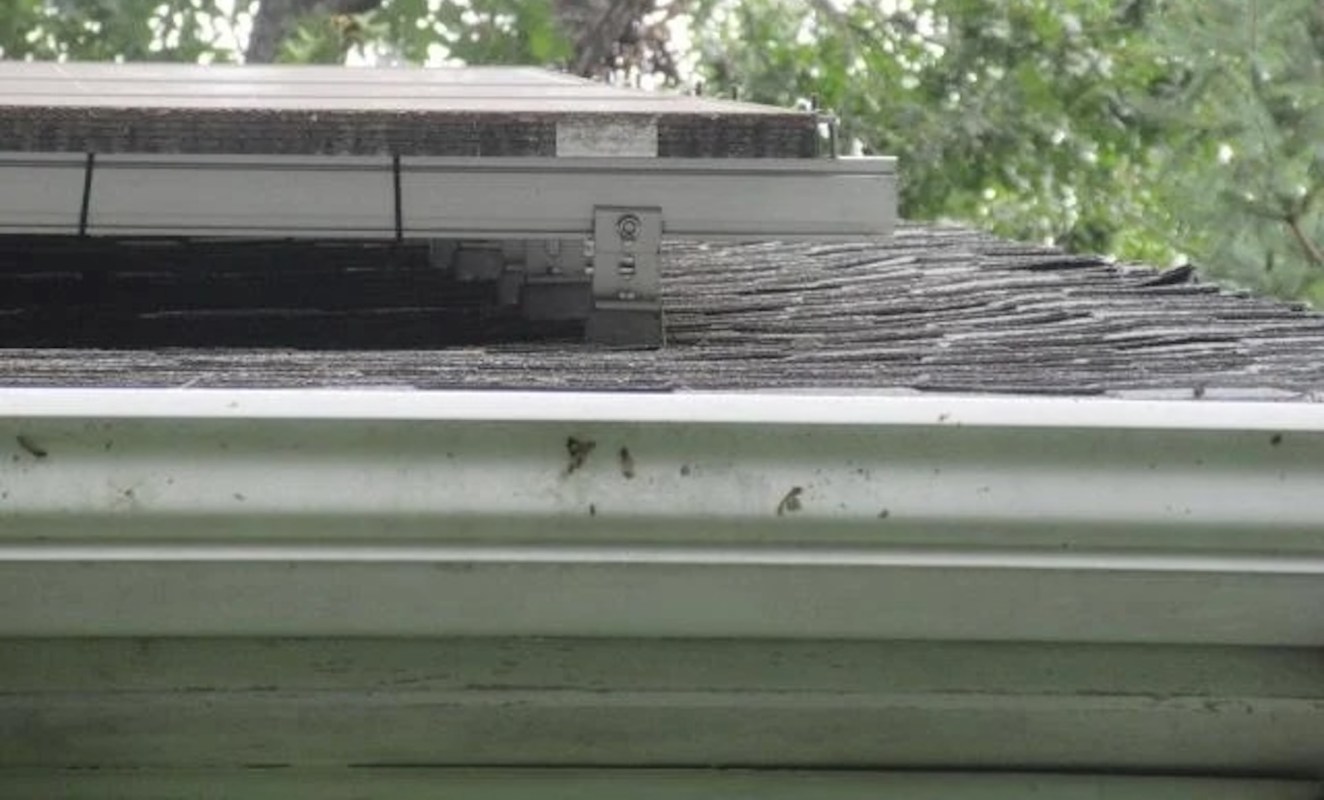
A New England homebuyer learned from an inspector during a home inspection that their roof may have been settling because of an existing solar panel system.
Commenters, however, said that explanation may overlook more significant structural questions.
Here's what to know
Worried about inheriting an expensive problem, the prospective buyer wrote on Reddit about a house with panels installed in 2012.
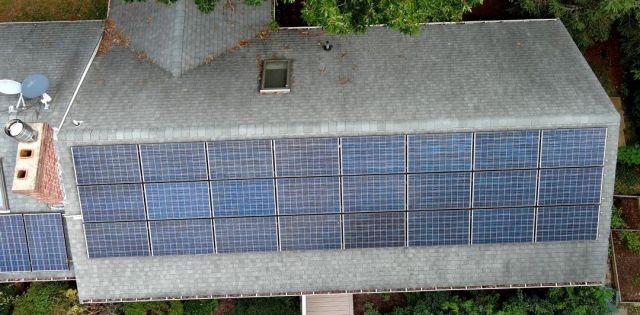
They said the attic showed no obvious framing damage, even though the inspector wrote, "Excessive settling of roof structure due to weight of solar panels."
The buyer wrote, "I just don't want to buy the house and immediately have to deal with a $50k issue."
Several commenters urged caution before pinning the issue on the solar array alone, even though the inspector recommended sistering and reinforcing the rafters beneath the panels to reduce further movement.
One commenter said, "It is common for roofs to bow and be out of square before the solar was ever installed."
They added, "Dead weight isnt normally the issue with modern PV arrays. The issue is uplift. … An array of that type weighs less than 3 lbs/sqft, which is less than a single layer of roofing."
Save $10,000 on solar panels without even sharing your phone number Want to go solar but not sure who to trust? EnergySage has your back with free and transparent quotes from fully vetted providers that can help you save as much as $10k on installation. To get started, just answer a few questions about your home — no phone number required. Within a day or two, EnergySage will email you the best local options for your needs, and their expert advisers can help you compare quotes and pick a winner. |

Another commenter noted, "New England snow loads are far heavier than the solar but worth having checked out."
Going solar is one of the best ways to save money on home energy, and shoppers can explore EnergySage to get free solar installation estimates and compare quotes.
More background
The discussion suggested that the issue goes beyond the panels' static weight alone. Commenters said a solar setup can also alter how wind acts on the roof and how snow gathers or shifts on partially covered surfaces.
That point is especially important in places with heavy winter weather. Several commenters also said many roofs already have dips, bows, or uneven lines before panels are ever added, which can make a later concern seem tied to the installation when it may not be.
More From EnergySage
💡Go deep on the latest news and trends shaping the residential solar landscape

What can be done?
Instead of assuming the panels caused the problem, a more useful next step may be a focused structural review. Homeowners and buyers can ask a structural engineer to examine the roof framing, attachment spacing, and any existing sag before deciding whether reinforcement is truly needed.
If you're still comparing options, EnergySage's free services can help on the financial side too. EnergySage's solar map shows the average cost of a home solar panel system by state, as well as details on local solar panel incentives. Together, these resources can help readers get the best price for rooftop solar panels. With EnergySage's help, the average person can save up to $10,000 on solar purchases and installations.
Adding battery storage to a solar setup is also one of the best ways to protect your home during outages, save money on energy, and go off-grid. Homeowners can explore EnergySage for information about home battery storage options, including competitive installation estimates.
As one commenter put it, "Based on the images I have zero concern and it looks like most roofs that solar gets installed on. Its more rare to find a perfectly flat roof."
Where can I learn more?
Questions about roof sag often come up alongside more confusion about what rooftop solar actually does to a home.
• Homeowners said misinformation floating around kept rooftop solar myths spreading online.
• Seasoned solar owners in snowy states started doing the winter math on one householder's 14-panel install.
• In the Mid-Atlantic, a narrow roof, gas heat, and historic rules complicated solar plans.

Get TCD's free newsletters for easy tips, smart advice, and a chance to earn $5,000 toward home upgrades. To see more stories like this one, change your Google preferences here.






