


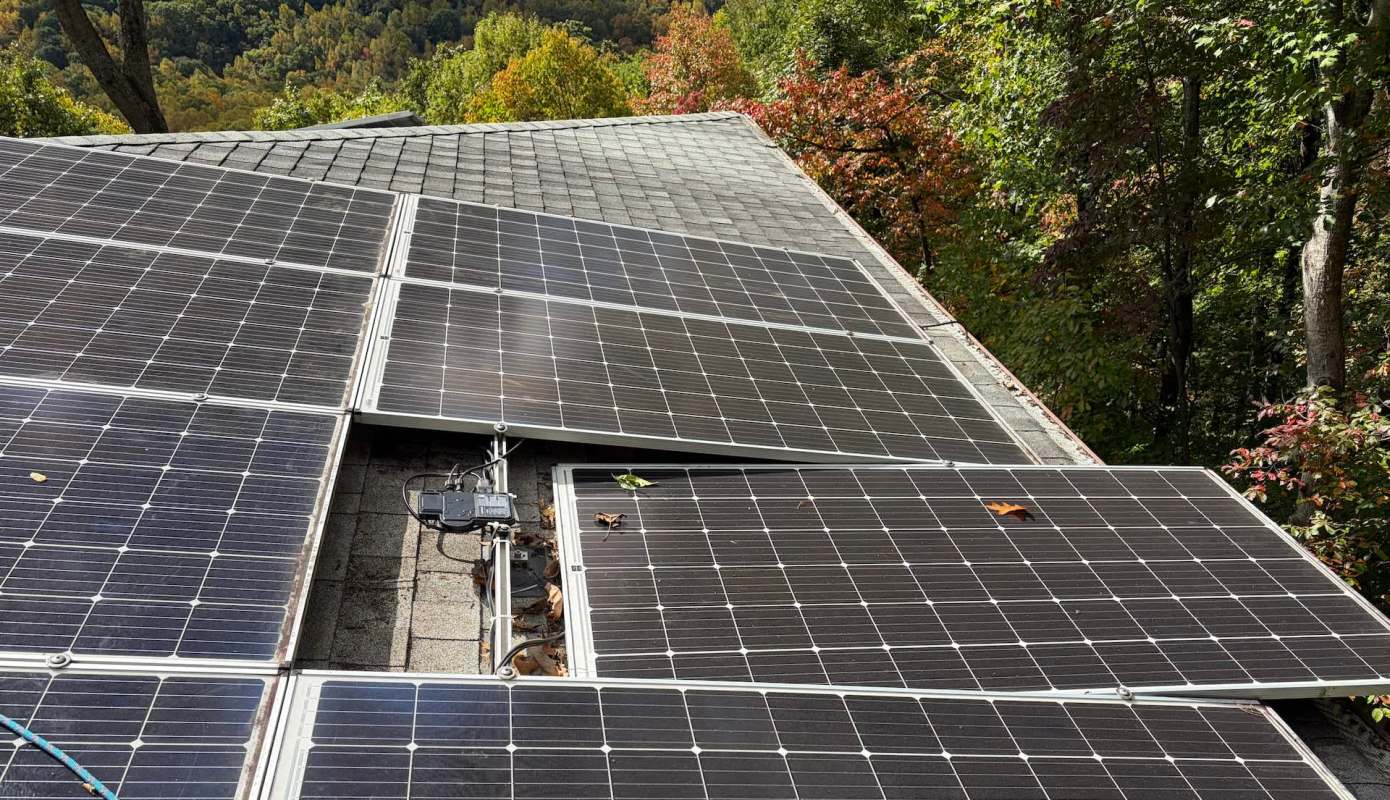
For one western North Carolina homeowner, a years-long solar headache happily ended not with a five-figure repair, but with a DIY microinverter fix.
"I am posting this purely as a service to others who might be facing similar problems," they shared on Reddit's r/solar.
Here's what to know
In the thread, the homeowner said they installed a 12-kilowatt, 36-panel microinverter-based system in stages starting in 2018.
Four years ago, breaker trips began intermittently affecting one, sometimes two, and even three circuits. That began a cycle of continued maintenance. First, their installer replaced and reset a breaker, but the trouble returned. The homeowner then turned to another solar company after, in their words, the original installer was "too busy and not interested in helping us out."
That company also replaced a breaker, and the system then worked for a few months. By July, however, the same circuit tripped again and wouldn't stay reset, leading to quotes of $10,000 for replacement Q cables and $13,000 for a full rewiring job.
Going solar is still one of the best ways to save money on home energy, but a major repair can dent those savings. If you're seeking a vetted installer, EasyHome's free explorer tool can help you compare pricing and projected savings from local providers.
More background
Repair costs, installer availability, and changing utility compensation rules can affect a system's value years after installation. In this case, agreeing to one of the quotes looked even harder to justify because the poster's mountain home would lose its net-metering tariff in January.
"We will be on month-to-month balance reset so we would never see a payback big enough to justify this kind of expense," they explained.
Crushed by your bills? See instant solar savings from vetted installers in just a few clicks With energy prices through the roof, there's never been a better time to go solar — and EasyHome can help you find the best prices from the best installers in your area. EasyHome takes the guesswork and headaches out of energy upgrades by showing you estimated savings from a network of vetted local partners. To get started, just enter your ZIP and share a few details about your home — seeing your estimate is really that easy. |

They added, "We are very rural here so there are very limited options for service."
After installing six panels themselves and gaining some working knowledge of the system, the homeowner started replacing the Q cables on the inverters. Their equipment included T40 socket drive bits, a DeWalt battery impact driver, Q cables, PVC pipe, duct tape, heavy-duty spring clamps, and a 100-foot climbing rope and harness.
They determined they needed to order a replacement inverter, and after they installed it, the system started "working perfectly." A key step was also using the Enphase Installer Tool kit app to ensure solar-production numbers would sync properly.
For people shopping for solar now, serviceability matters just as much as upfront price. EasyHome's free explorer tool helps homeowners compare installer options and understand their choices before signing. The tool can also help homeowners explore backup battery storage to maximize savings and keep their home powered when the grid goes down.

Get TCD's free newsletters for easy tips, smart advice, and a chance to earn $5,000 toward home upgrades. To see more stories like this one, change your Google preferences here.






