


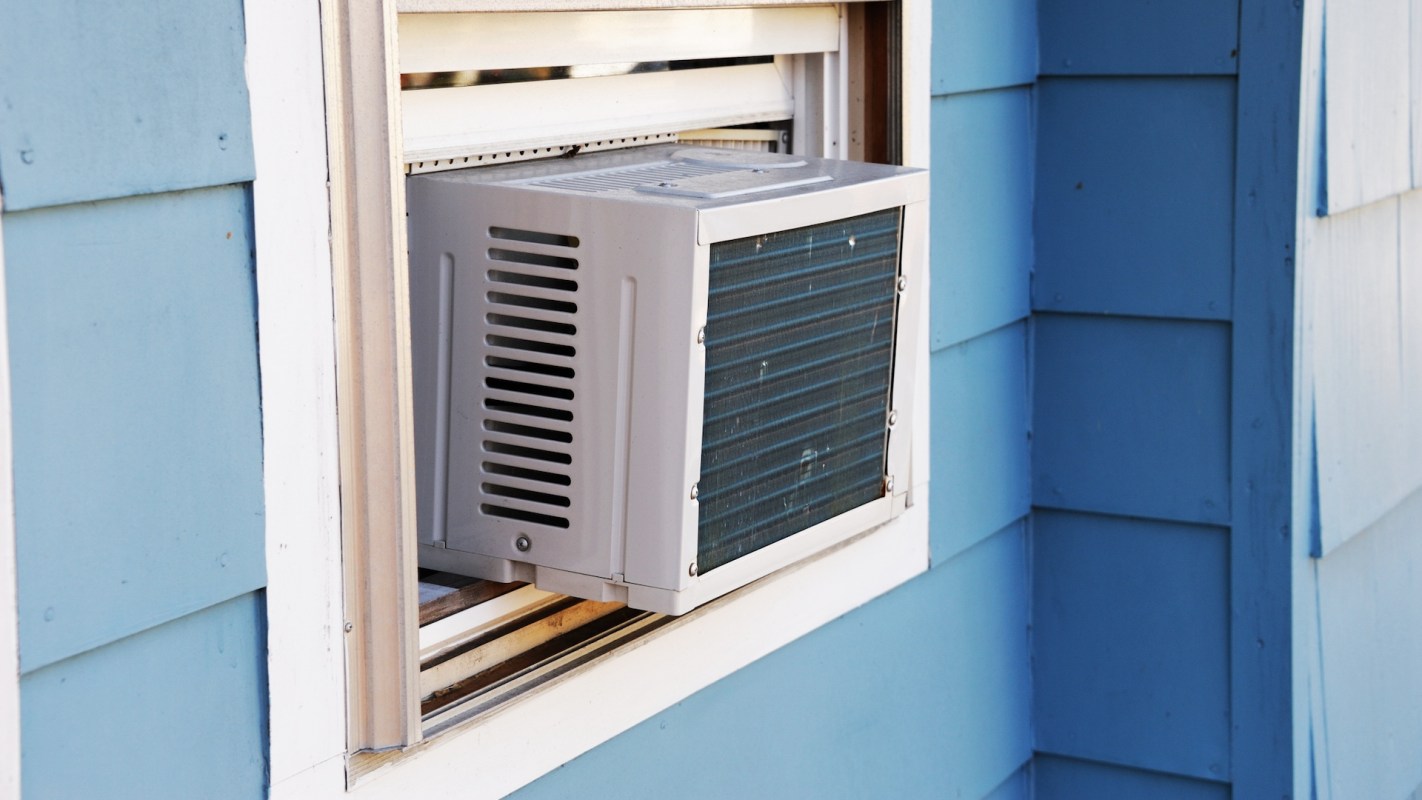
A Reddit poster considering hooking up a bargain pair of solar panels to their window air conditioning unit asked the r/Solar community if that was a "dumb idea."
The appeal is easy to understand. Cooling bills can spike in hot weather, and a window AC unit is exactly the kind of daytime appliance that seems like it should pair well with solar power.
Here's what to know
As the thread described, a user had the opportunity to get a couple of LG355NC1 solar panels for a good price and was exploring whether they could be used to help run a window AC during the day and cut cooling costs.
"My plan in my head is to use the panels to charge a battery/power station which is then connected to the AC," the poster wrote.
On paper, the idea is not as far-fetched as it sounds. The air conditioner has a stated maximum draw of 700 watts. Still, solar panels do not produce peak output all day, and losses from the battery, inverter, wiring, and charging would reduce how much of that power actually reaches the appliance.
The setup could trim some daytime cooling costs, but it likely would not be as simple as plugging two panels into a window unit and calling it a day. "I will need a charge controller, safety equipment (and maybe an inverter) but beyond that I'm not sure what else," the poster noted.
For homeowners looking for a simpler route than assembling a small custom system, going solar is one of the best ways to save money on home energy. Using EnergySage can help you get free solar installation estimates and compare quotes before deciding what setup makes the most financial sense.
More background
A window AC unit can be one of the more noticeable contributors to a summer electric bill, so even a partial daytime offset could reduce the amount of grid power a home buys during peak sun hours.
Save $10,000 on solar panels without even sharing your phone number Want to go solar but not sure who to trust? EnergySage has your back with free and transparent quotes from fully vetted providers that can help you save as much as $10k on installation. To get started, just answer a few questions about your home — no phone number required. Within a day or two, EnergySage will email you the best local options for your needs, and their expert advisers can help you compare quotes and pick a winner. |

Still, small-scale DIY solar projects can get complicated quickly. Matching panel output to an appliance load is only part of the equation, as homeowners also have to consider power conversion, safe wiring, battery sizing, and whether the economics still make sense once all the extra components are added.
Many people compare a one-off project with a larger rooftop system. A full home solar installation is more expensive upfront, but it is also designed to deliver steadier savings over time and may qualify for incentives that a pieced-together setup does not.
What can be done?
The first step is to map out the appliance's actual energy use and the system losses involved, not just the panel wattage printed on the label.
It is also wise to price out the full package — panels, battery, inverter, controller, wiring, and safety gear — before assuming a "cheap" solar find will stay cheap.
More From EnergySage
💡Go deep on the latest news and trends shaping the residential solar landscape
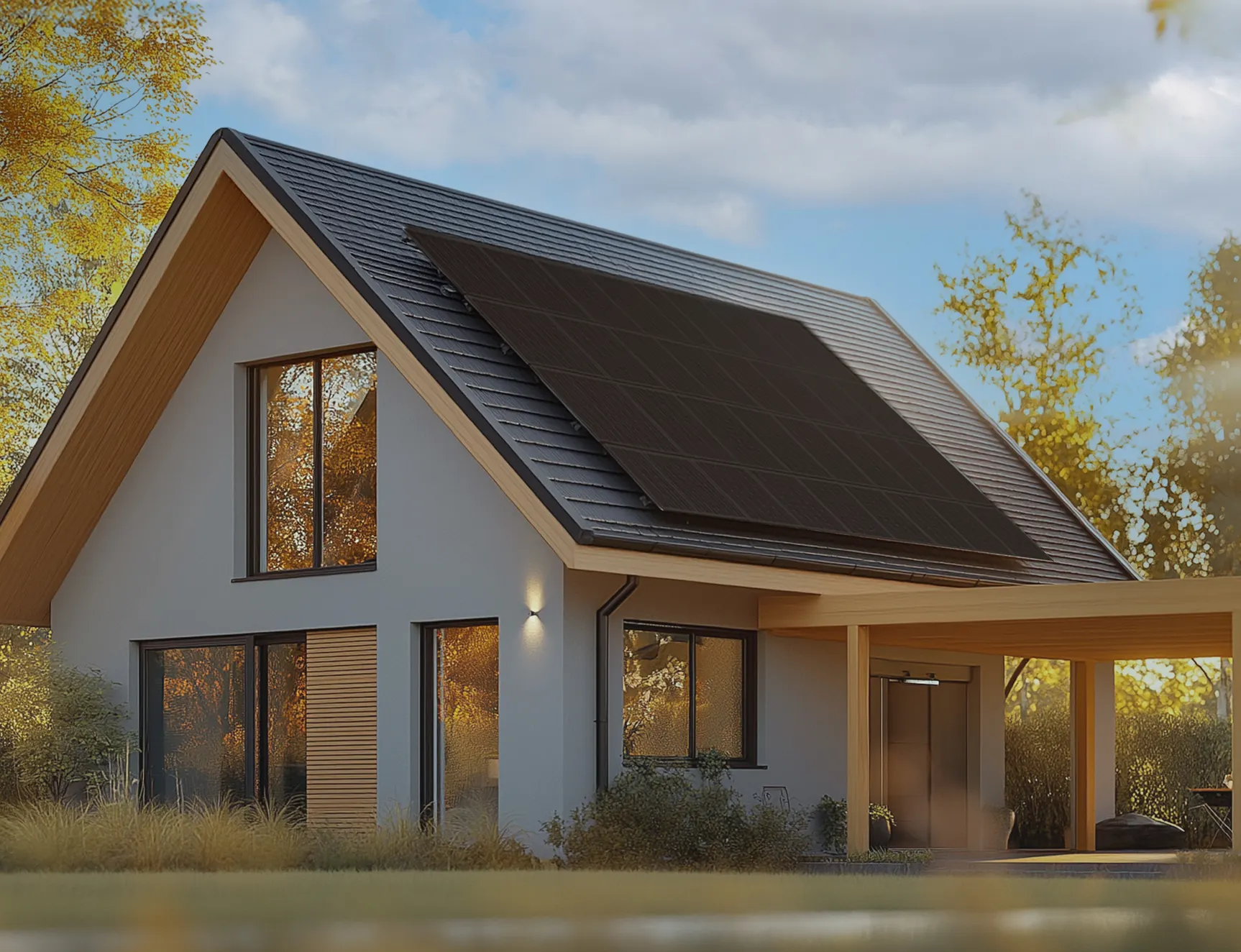
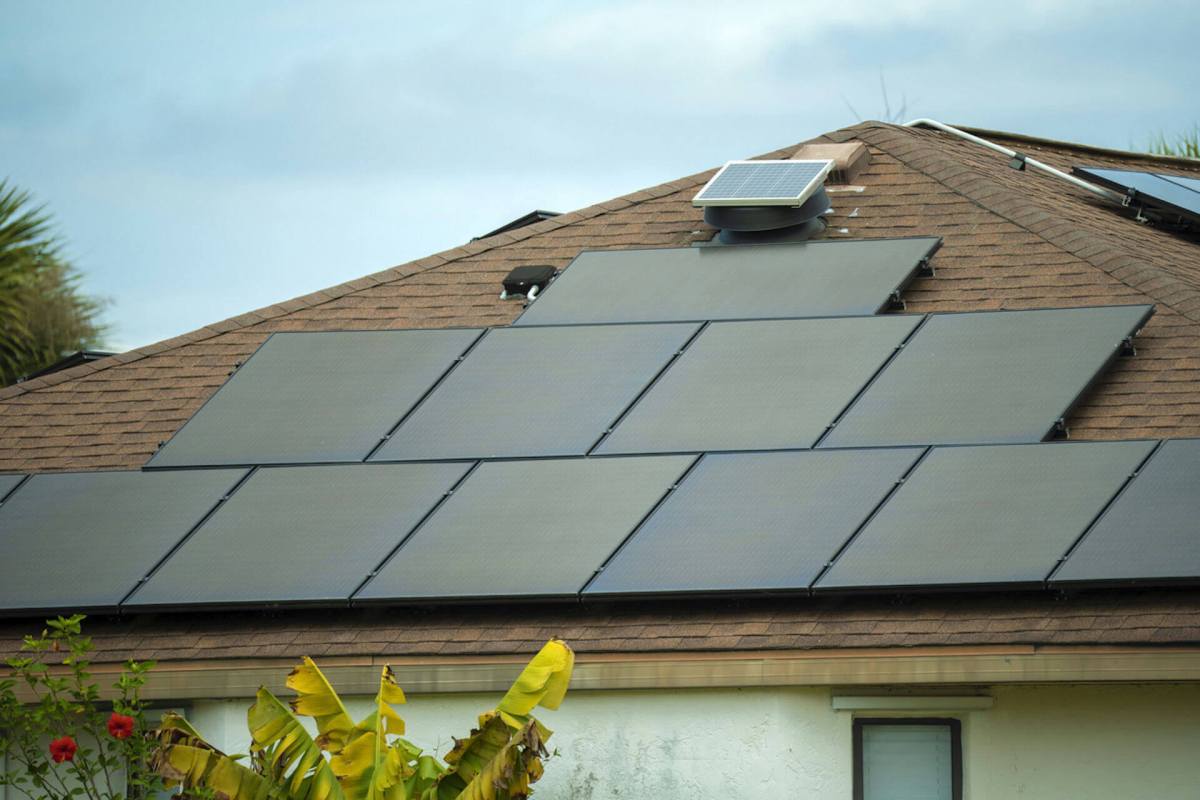

One commenter said: "In reality the cost of solar panels rarely go past 25% of entire expense, even in diy situations. Racking, inverter, battery, wiring and paperwork are usually 75%."
Adding battery storage to a solar setup is one of the best ways to protect your home during outages, save money on energy, and go off-grid. Homeowners can explore EnergySage for information about home battery storage options, including competitive installation estimates.
Homeowners can also use EnergySage's solar map to see the average cost of a home solar panel system in each state and learn about local solar incentives. Together, these resources can help homeowners get the best price for rooftop solar panels and access available incentives.
Where can I learn more?
These stories look at solar costs, rooftop panel upkeep, and simple air-conditioner maintenance.
• Former EnergySage president Charlie Hadlow broke down the factors driving solar costs for homeowners.
• Homeowners weighing rooftop systems often face maintenance, cleaning, and repair questions before buying.
• A handyman showed how cleaning an outdoor AC unit can improve cooling efficiency.

Get TCD's free newsletters for easy tips, smart advice, and a chance to earn $5,000 toward home upgrades. To see more stories like this one, change your Google preferences here.






