


Severe thunderstorms left one Reddit user's home without electricity for 12 hours overnight, turning its backup setup into a real test of batteries, generator use, and food-cooling strategy.
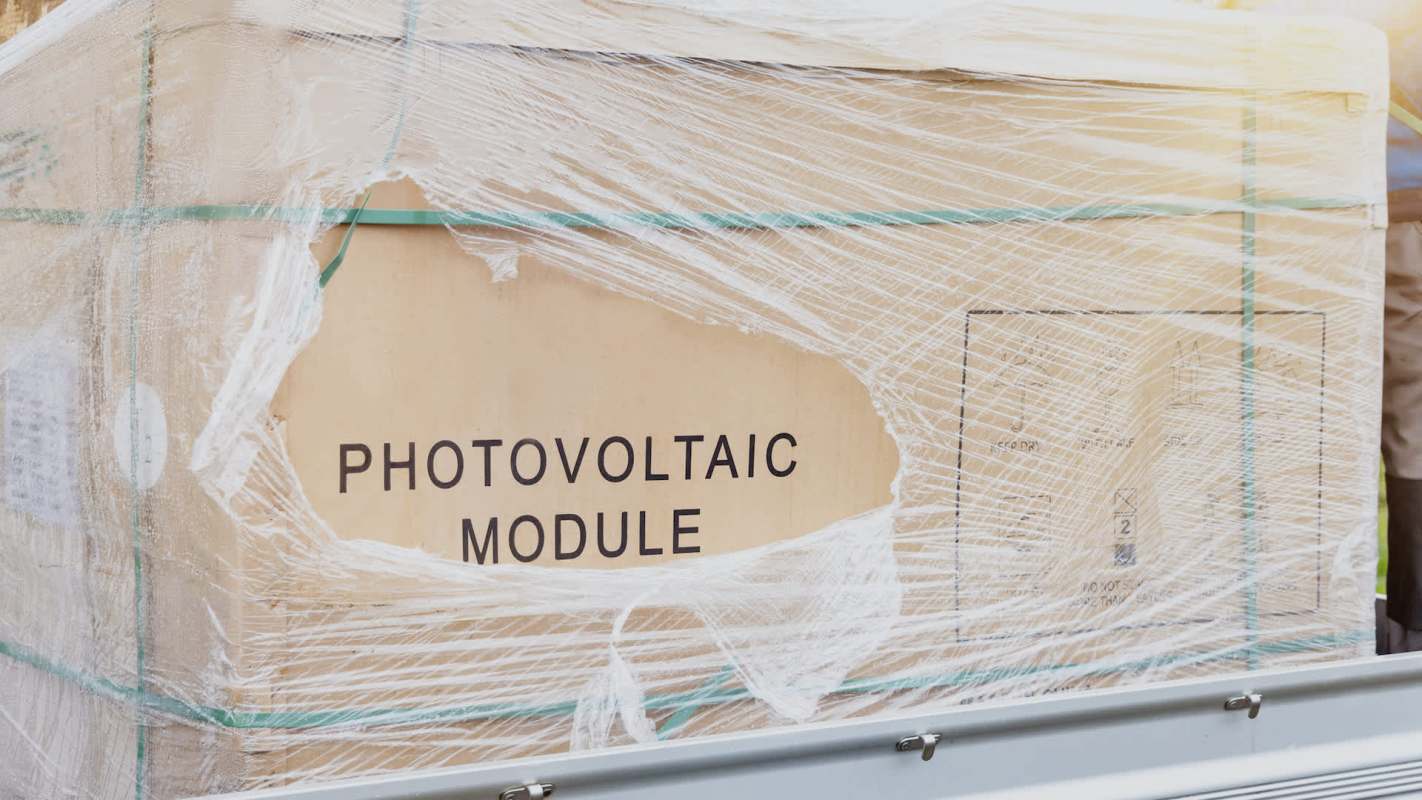
Only after power returned did the household realize that 600 watts of solar panels had stayed in storage the whole time.
Here's what to know
Writing on Reddit, the poster said the outage started at 11 p.m. when a branch shorted nearby power lines, part of nearly 100 outages reported across the county.
Several lead-acid UPS units kept core electronics and lighting running, including the modem, Wi-Fi, cellular backup, home security gear, and a few lamps, while a 1,800-watt power station with an expansion battery handled bigger loads.
A smaller power station also covered overnight comfort, running a CPAP, plus a battery fan and sound machine.
"The normalcy of lamp light was nice," the poster noted.
TCD Picks » Quince Spotlight
💡These best-sellers from Quince deliver affordable, sustainable luxury for all




Temperature checks drove the next steps in the morning. By 6 a.m., Bluetooth thermometers showed the garage freezer had risen from 2 degrees to 17, while the refrigerator had gone from 40 to 50, prompting the poster to connect the fridge to the power station.
Later, an inverter generator, placed outside and away from windows and doors, recharged both battery units and ran the freezer. Around 11 a.m., utility service came back, and the power station switched back over and began charging again.
More background
For a fairly standard outage, the battery setup reduced noise, fuel use, and general hassle.
Commenters also turned the discussion toward what preparedness actually looks like once the power is gone. One commenter, recalling a separate three-day outage, wrote: "A drill reveals stuff a spreadsheet never will."
That commenter said they put a one-page guide in a kitchen cabinet so others in the house could quickly see which power station handled which items and what needed to stay off.
Other replies emphasized organization. One commenter said they keep their cords, cables, and simple solar wiring diagrams together in one bag near the batteries and panels, while another recommended glow-in-the-dark tape on flashlights kept in different rooms.
Had the panels been remembered and set up, the unused solar likely could have supported the roughly 200-watt entertainment-center-and-fridge load.
What can be done?
The outage left the poster with a concrete to-do list, beginning with better load separation.
One lesson was that plugging the UPS units into the power station also kept nonessential devices running alongside critical ones. Storage and access were another weak spot.
The original poster also wants a printed "In case of …" guide laying out available gear and response options.
Overall, they concluded: "It's more about making sure everything works together, like you want it to as a cohesive system, as opposed to individual parts."

Get TCD's free newsletters for easy tips, smart advice, and a chance to earn $5,000 toward home upgrades. To see more stories like this one, change your Google preferences here.






