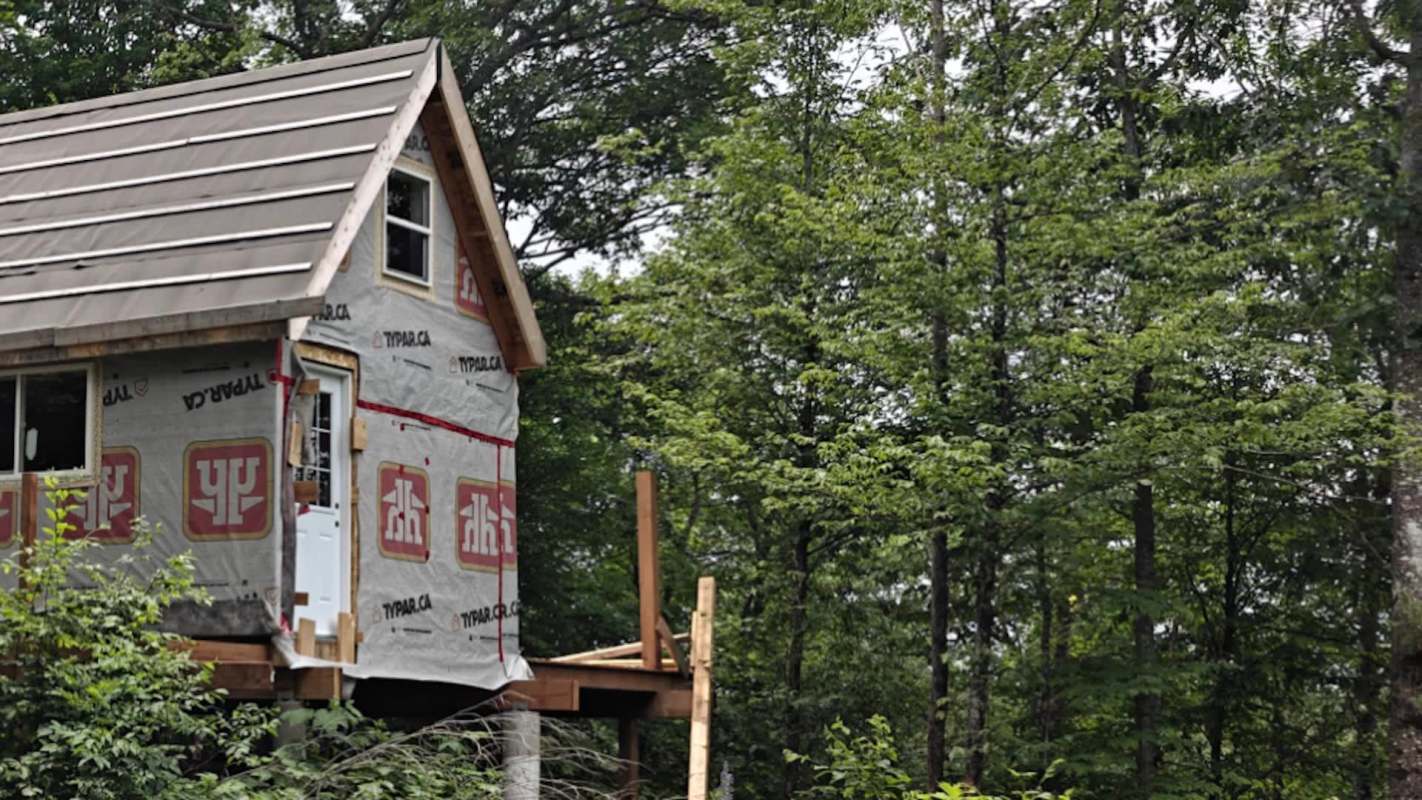
A cottage owner building on a wooded ridge is running into a classic rooftop solar problem: plenty of roof space on paper, but enough shade to drag down production in real life.
With 12 panels in mind, the owner is trying to avoid a setup in which a single poorly placed module weakens the whole system.
What's happening?
In a post on Reddit, the owner asked for help distributing panels across an east-west cottage roof made up of several sections with very different slopes. The main roof has a 16/12 pitch, while the areas over the bedroom, bathroom, and screened porch are much flatter.
Because "many of the problematic trees would be on a neighbor's property so cutting isn't an option," the homeowner said tree removal is effectively off the table. That leaves panel layout and equipment choices as the main ways to improve output.
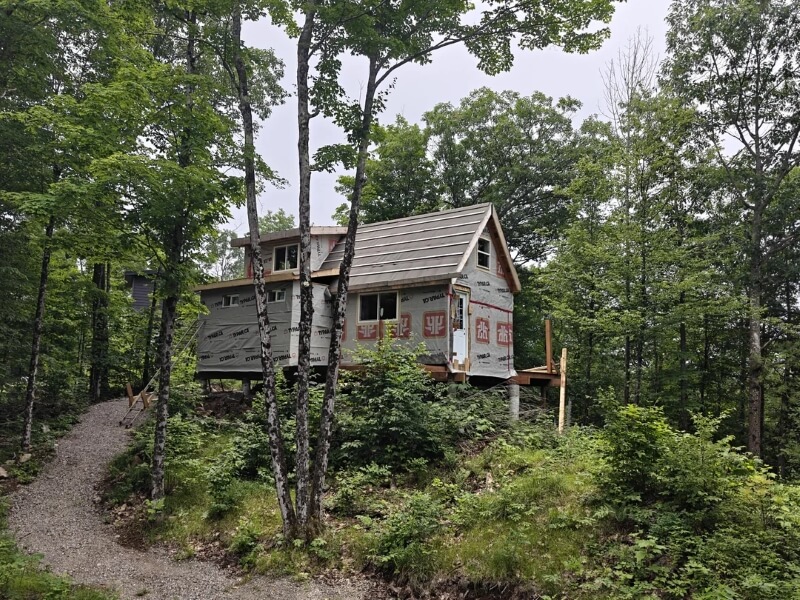
Another complication is the equipment already on site. The owner said the inverter/charge controller needs the PV array to reach at least 120 volts and added that "currently even with my 4 panels, I need them in good sun to produce anything," which makes partial shade a much bigger issue.
If you're considering panels, you can explore EnergySage's free tools to get quick solar installation estimates and compare quotes.
Why does it matter?
Shade is one of the quickest ways for a promising solar project to become an underperforming one. When panels are wired so they depend heavily on each other, even limited shading can sharply cut output and delay the savings homeowners expect on their utility bills.
In wooded or rural areas, solar can be a unique challenge. With trees present that can throw off efficiency, oftentimes on lots that you can't touch, it can require some creative placement and engineering to get the most from a solar setup in these areas.
Save $10,000 on solar panels without even sharing your phone number Want to go solar but not sure who to trust? EnergySage has your back with free and transparent quotes from fully vetted providers that can help you save as much as $10k on installation. To get started, just answer a few questions about your home — no phone number required. Within a day or two, EnergySage will email you the best local options for your needs, and their expert advisers can help you compare quotes and pick a winner. |

In this case, the owner put it plainly: "The slightest shading on a single panel can kill my loop." That bottleneck can mean less usable electricity, greater reliance on a generator, and a longer return on investment.
What can I do?
The most practical next step is to ask an installer for a detailed shade analysis and multiple design options. That can include comparing different string layouts, checking whether the flatter roof sections are worth using, and asking whether equipment that mitigates the impact of a single shaded panel would make more sense.
Free comparison tools can make that process much easier. With EnergySage's help, the average person can save up to $10,000 on solar purchases and installations. And EnergySage's solar map shows the average cost of a home solar panel system on a state-by-state level, along with solar panel incentives for each state, so together these resources can help readers get the best price for rooftop solar panels and access available incentives.
Adding battery storage to a solar setup is also one of the best ways to protect your home during outages, save money on energy, and go off-grid when needed. Homeowners who want to compare backup options can explore EnergySage's free tools for information on home battery storage, including competitive installation estimates.
More From EnergySage
💡Go deep on the latest news and trends shaping the residential solar landscape


Get TCD's free newsletters for easy tips, smart advice, and a chance to earn $5,000 toward home upgrades. To see more stories like this one, change your Google preferences here.