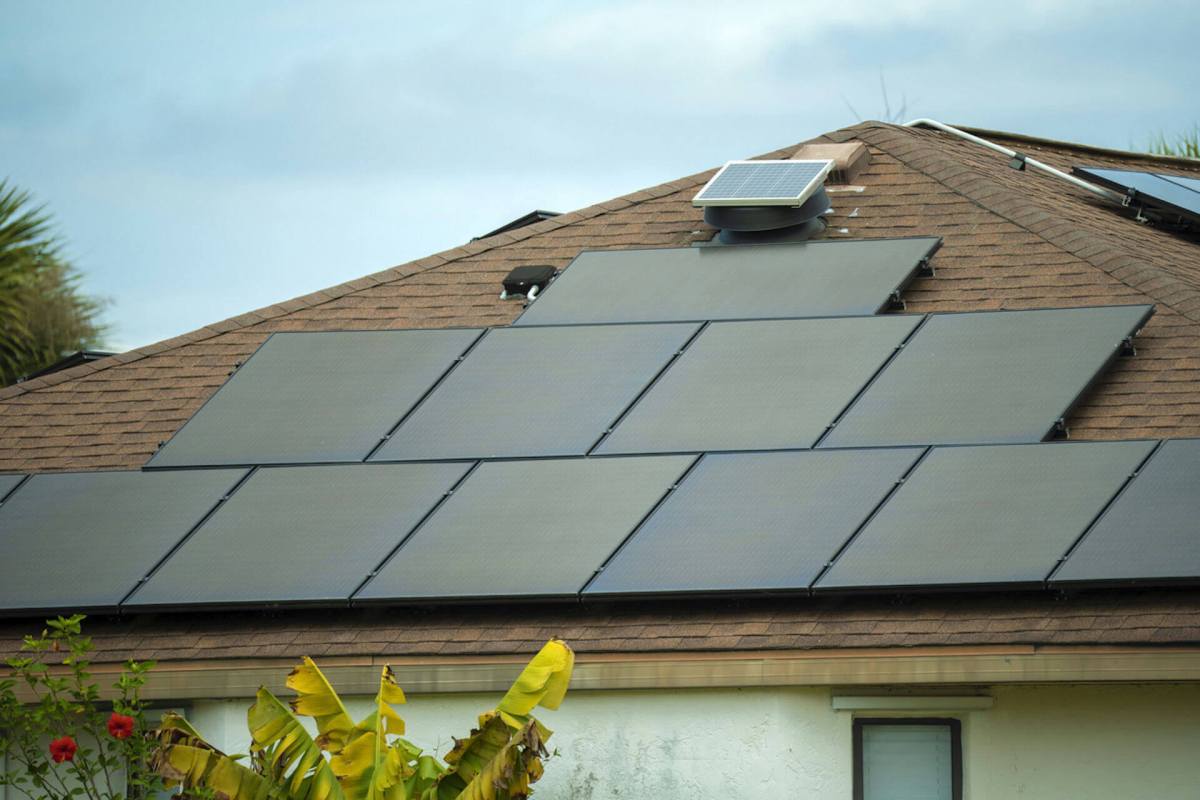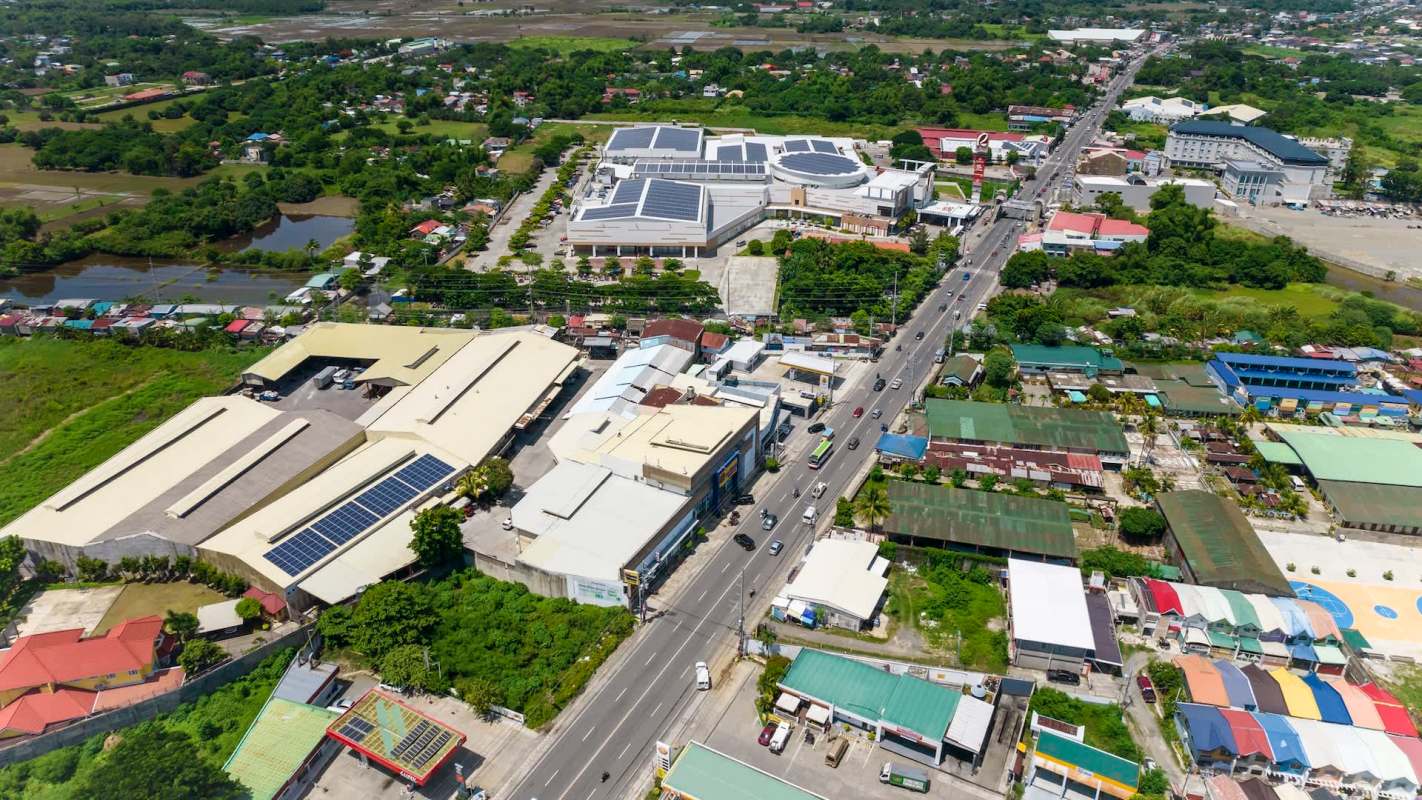
For some families in the Philippine province of Pangasinan, rooftop solar has quickly translated into smaller electric bills, with meters that seem to barely move. As power rates keep climbing, that result is pushing more homeowners to put solar panels on their roofs.
What's happening?
As utility costs rise, solar is becoming a way for households to reduce their energy expenses.
According to GMA Network, residents in Pangasinan are increasingly using home solar systems to cope with repeated increases in electricity prices. The setups being installed include grid-tied, stand-alone, and hybrid systems.
In Dagupan City, homeowner Danny Tandoc said his on-grid solar system lowered his monthly electricity bill by an amount that comes out to roughly $50 in the U.S.
Engr. Rodrigo Corpuz, general manager at the Central Pangasinan Electric Cooperative, said homeowners who plan to link solar systems to the grid have to comply with net-metering requirements. Through the Energy Regulatory Commission's net-metering program, households can send excess solar power back to the grid and receive credits.
The Bureau of Fire Protection also cautioned the public against unsafe do-it-yourself solar installations.
Why does it matter?
Even a few thousand pesos in monthly savings can help ease household budgets as electricity prices rise. Solar can also reduce costs during periods of heavy power use, rather than leaving homes fully exposed to higher grid rates.
The benefits can also extend beyond a single household bill. On-grid systems can reduce monthly charges right away, while hybrid and off-grid systems may offer more flexibility in areas with unstable power service. Producing more energy at home can also reduce dependence on more polluting power sources.
Save $10,000 on solar panels without even sharing your phone number Want to go solar but not sure who to trust? EnergySage has your back with free and transparent quotes from fully vetted providers that can help you save as much as $10k on installation. To get started, just answer a few questions about your home — no phone number required. Within a day or two, EnergySage will email you the best local options for your needs, and their expert advisers can help you compare quotes and pick a winner. |

Pairing solar panels with efficient electric appliances can reduce utility costs even further. System size, wiring, financing, and installation quality can all affect both savings and safety. If you're interested in leasing or buying solar panels, check out TCD partners Palmetto and EnergySage.
What can I do?
Qualified households can use net metering to earn credits for extra power, while local officials are also emphasizing proper installation and compliance.
Adding battery storage to a solar setup can protect a home during outages, save money on energy, and support off-grid use.

Get TCD's free newsletters for easy tips, smart advice, and a chance to earn $5,000 toward home upgrades. To see more stories like this one, change your Google preferences here.
More From EnergySage
💡Go deep on the latest news and trends shaping the residential solar landscape