


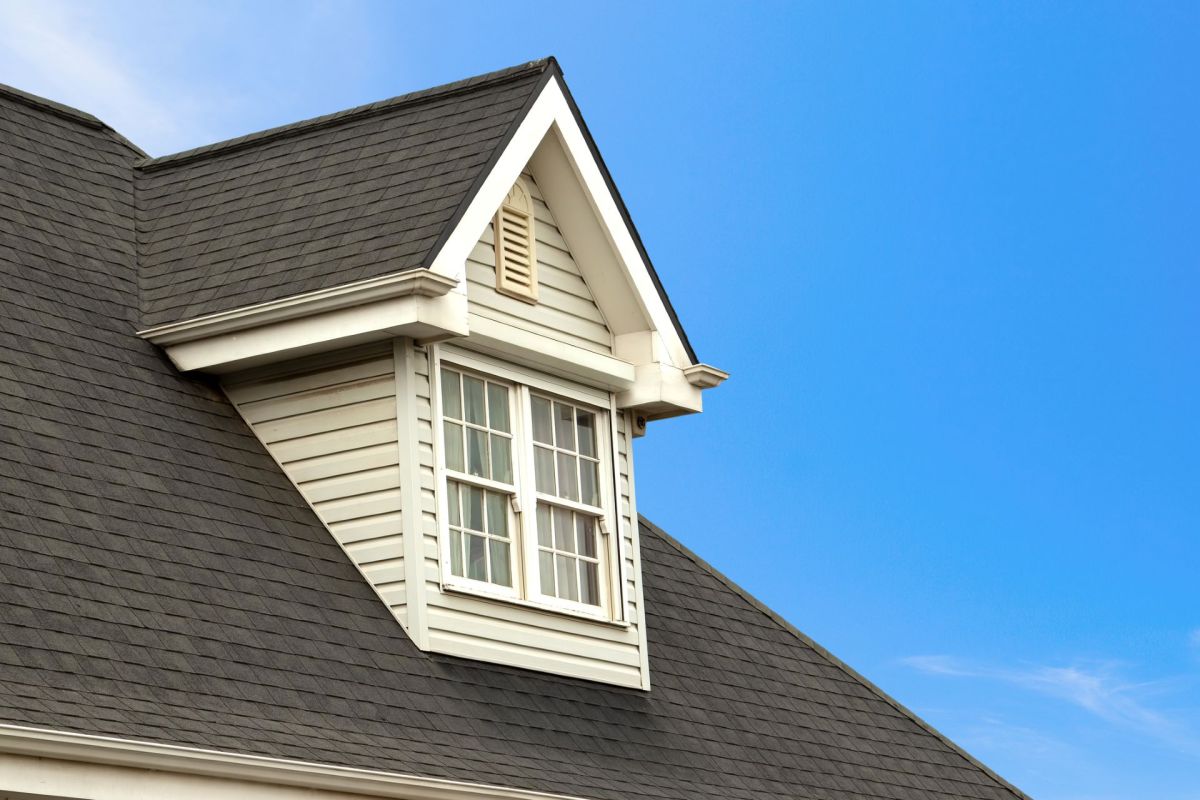
One homeowner in the northern U.S. got an unexpected answer on a solar sales call when the representative said the home's southwest-facing roof was off the table for panels because it has two small dormers.
Replies online indicated the bigger question may not be whether panels could physically be installed there, but whether the system would produce enough power to justify the cost.
Here's what to know
In a Reddit thread in r/solarenergy, the original poster wrote: "Getting a quote and the rep who called me said he looked at my house and that solar panels wouldn't be able to be put on the south west facing roof because it has dormers. We have no trees near the house and live in the northern part of the USA."
Not everyone in the discussion agreed that the dormers automatically ruled solar out. One commenter wrote, "You can do it… it might not be as pretty or as efficient. But you absolutely can."
Other replies focused on the downsides, saying dormers can break up the usable roof area and introduce shading that hurts performance. As one commenter put it: "Solar panels don't like shade. It causes them to stop producing electricity."
That means a dormered roof may still be usable for solar, but it will produce less energy and change how attractive the payback looks.
More background
Going solar remains one of the best ways to save money on home energy — if the numbers work for that particular roof. Before accepting a yes-or-no answer from one salesperson, it can help to explore EnergySage to get free solar installation estimates and compare quotes.
Commenters also floated a few alternatives if the roof is awkward to work with, such as a ground-mounted array for homes with available yard space, equipment built to better handle partial shade, or a compact microinverter-based setup. One commenter summed up the decision, writing, "Net production vs. installation cost is the comparison I would care about."
Save $10,000 on solar panels without even sharing your phone number Want to go solar but not sure who to trust? EnergySage has your back with free and transparent quotes from fully vetted providers that can help you save as much as $10k on installation. To get started, just answer a few questions about your home — no phone number required. Within a day or two, EnergySage will email you the best local options for your needs, and their expert advisers can help you compare quotes and pick a winner. |

What can be done?
Rather than relying on a simple yes or no, homeowners can ask several installers for projected yearly output and compare those estimates across quotes. A rejection from one company may come down to its equipment choices or design rules, not an absolute barrier.
It may also be worth considering other configurations, including a smaller set of panels in limited space, installation on a different roof face, or a ground mount.
EnergySage's free tools can also help homeowners avoid overpaying for a system that is poorly matched to their roof. EnergySage's solar map shows the average cost of a home solar panel system by state, plus details on solar panel incentives for each state, which can help homeowners get the best price for rooftop solar panels and access available incentives. EnergySage's free tools can help the average homeowner save up to $10,000 on installation and purchases.
Adding battery storage to a solar setup is one of the best ways to protect your home during outages, save on energy costs, and go off-grid. Homeowners who want to pair panels with backup power can explore EnergySage for information about home battery storage options, including competitive installation estimates.
More From EnergySage
💡Go deep on the latest news and trends shaping the residential solar landscape

Where can I learn more?
These articles look at conflicting solar roof advice, tricky roof layouts, winter output concerns, and roof myths.
• One homeowner learned a roofer was just wrong about whether panels belonged on the roof.
• In the Mid-Atlantic, a narrow roof and historic rules made one homeowner question solar.
• A new homeowner's 14-panel solar roof prompted seasoned owners to scrutinize winter output.
• An energy expert said rooftop panels can protect roofs while challenging a stubborn myth.

Get TCD's free newsletters for easy tips, smart advice, and a chance to earn $5,000 toward home upgrades. To see more stories like this one, change your Google preferences here.






