


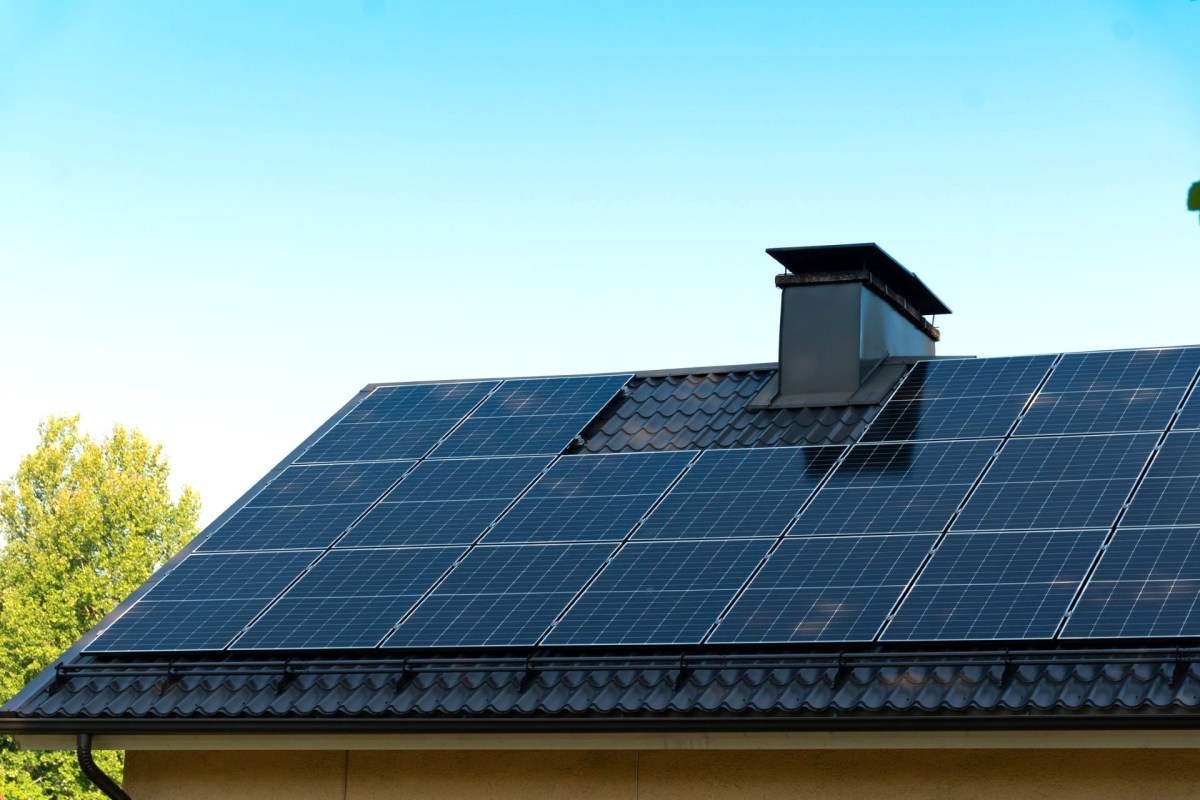
As electricity prices continue to rise, more homeowners are asking whether solar is finally worth the investment — and whether cheaper equipment can actually deliver meaningful savings.
In a recent post on Reddit, the original poster wrote, "I have zero knowledge and zero solar panels now," but said, "I live on an acre of land and was thinking with how high electricity prices have been getting I should get some solar panels." In the caption, they asked whether they should get "ten $90 panels or should I really invest into getting properly installed panels."
What's happening?
At the center of the discussion is a basic choice many first-time solar shoppers face. The dilemma is between putting together a low-cost DIY setup, or waiting and paying for a professionally designed, permitted, interconnected system sized to offset a meaningful share of household electricity use.
The answer depends on the homeowner's goal.
A small number of cheaper panels may work well for an off-grid project, a workshop, a shed, or a DIY learning experience. But a home system designed to reliably power major appliances or reduce utility bills often requires much more than panels alone. You need an inverter, mounting hardware, wiring, permits, inspections, and utility approval.
Going solar is one of the best ways to save money on home energy — but only when the system is properly sized and priced. Homeowners exploring the option can use EnergySage's free tools to get quick solar installation estimates and compare quotes.
Why does it matter?
For many households, rising utility bills are turning solar from a nice-to-have into a serious financial consideration.
The difference between "cheap" and "cost-effective" can be substantial, however, especially when equipment appears affordable upfront but fails to provide enough power, flexibility, or durability to justify the rest of the installation costs.
Save $10,000 on solar panels without even sharing your phone number Want to go solar but not sure who to trust? EnergySage has your back with free and transparent quotes from fully vetted providers that can help you save as much as $10k on installation. To get started, just answer a few questions about your home — no phone number required. Within a day or two, EnergySage will email you the best local options for your needs, and their expert advisers can help you compare quotes and pick a winner. |

A poorly planned system can also create major complications.
If a homeowner wants to connect solar to the grid, local code requirements, permits, and utility rules can quickly become just as important as the price of the panels themselves. And after all of that, even with abundant sunny land, the economics still depend on system design, energy use, and available incentives.
A well-designed solar system can lower monthly bills, reduce dependence on fluctuating energy prices, and cut the pollution associated with electricity by oil, gas, or coal.
What can I do?
For anyone starting from scratch, the first step is understanding how much electricity the home uses over the course of a year. From there, it becomes easier to determine whether a small DIY setup is enough for a side project or whether a full residential system makes more sense.
More From EnergySage
💡Go deep on the latest news and trends shaping the residential solar landscape
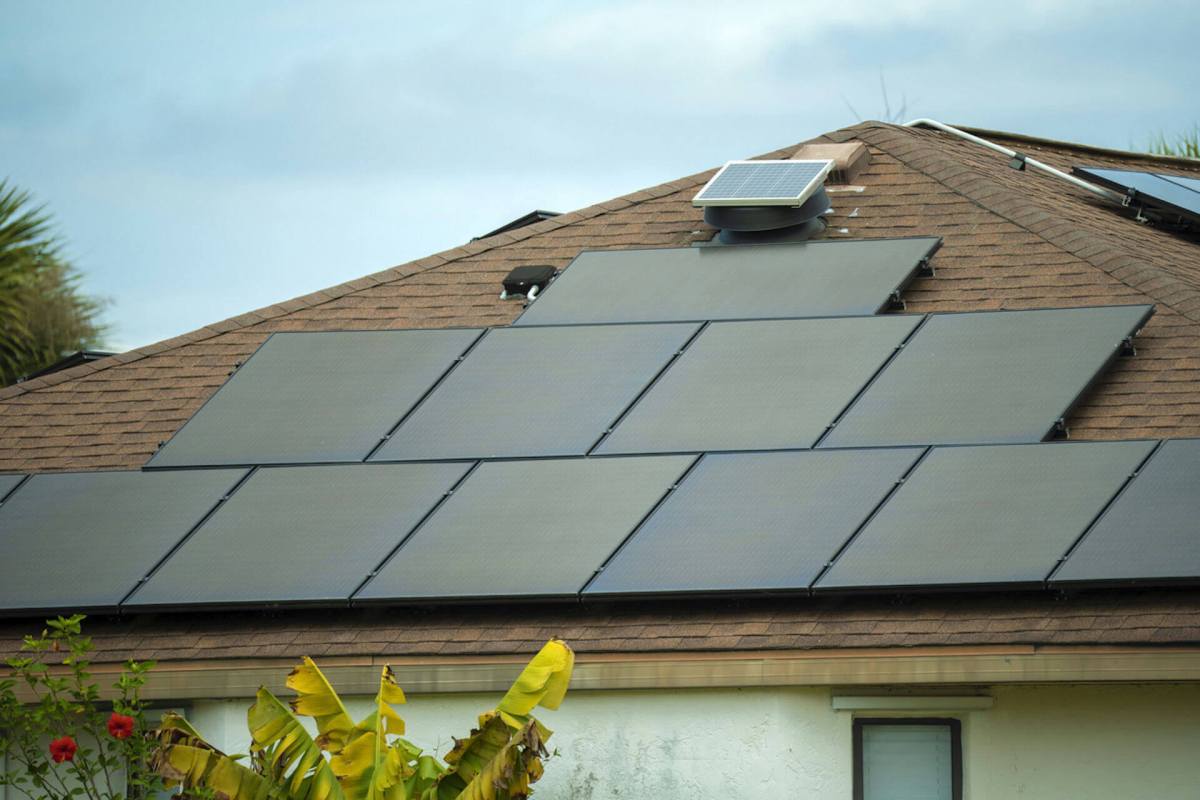

EnergySage's free services can help simplify that process. With EnergySage's help, the average person can save up to $10,000 on solar purchases and installations. Readers can also check EnergySage's solar map, which shows the average cost of a home solar panel system on a state-by-state level, as well as details on solar panel incentives for each state. Together, these resources can help readers get the best price for rooftop solar panels and access available incentives.
Adding battery storage to a solar setup is also one of the best ways to protect your home during outages, save money on energy, and go off-grid. For homeowners who want backup power in addition to bill savings, exploring EnergySage's free tools can help with information about home battery storage options, including competitive installation estimates.
The post ended with "Looking for advice," after the original poster noted, "I have a lot of sunshine hitting my land and I don't care about making it pretty."
Much of the advice they got suggested going with the cheaper, DIY route. One person shared their experience, writing, "I got 10 395s shipped to me from signature solar recently for like $1300. Panels are pretty cheap RN tbh. Its a good hobby / investment for a lot of reasons. Its becoming very DIY friendly."
But another pointed out: "If you are hoping to replace some or all of your utility supply with solar, get it properly installed, so you can rely on it more."

Get TCD's free newsletters for easy tips, smart advice, and a chance to earn $5,000 toward home upgrades. To see more stories like this one, change your Google preferences here.






