


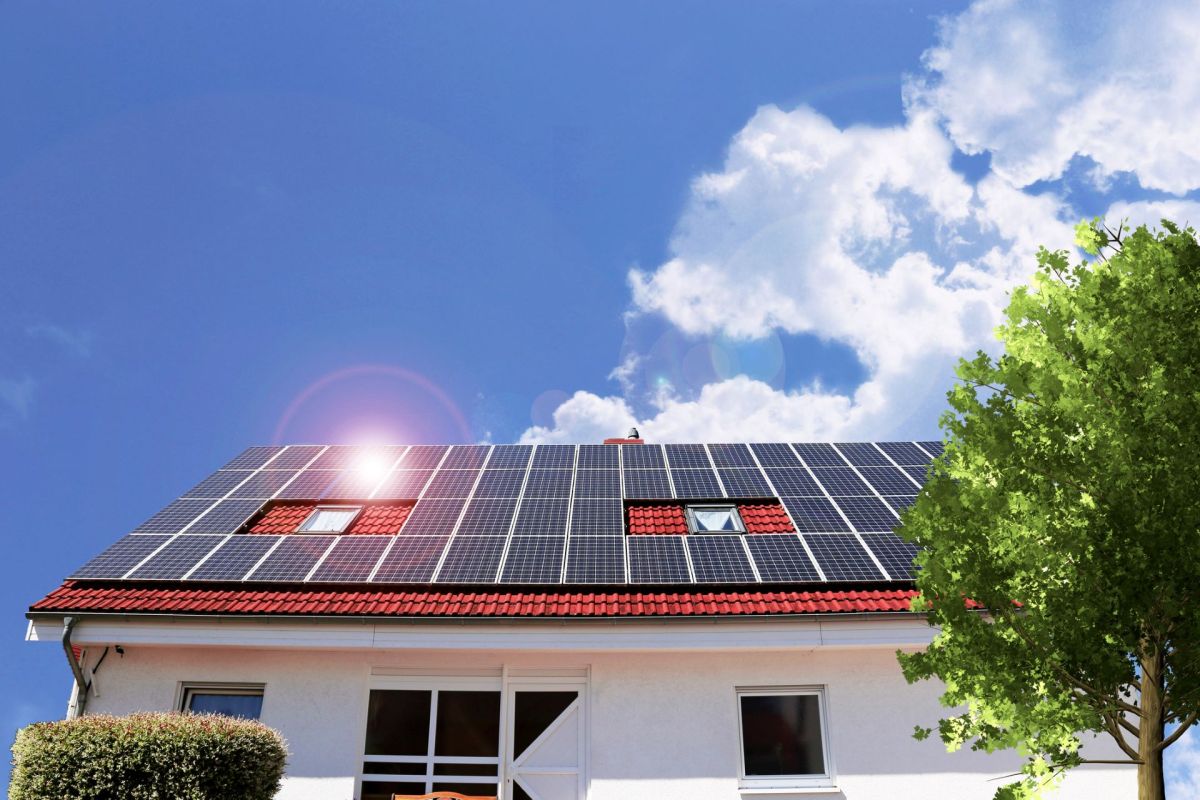
A U.K. homeowner was left with a conundrum after being quoted roughly £22,000 ($29,000) for 40 solar panels, two Sigenergy batteries, and a 12-kilowatt inverter.
Would using as much roof space as possible make the most sense, or would putting more of the budget into battery storage be better for long-term savings?
Here's what to know
In a post on the subreddit r/SolarUK, the homeowner said the property could take 12-13 panels on the southeast-facing roof, another 19 on a similarly oriented garage roof, and 18 more on a northwest-facing rear roof.
Rather than treating 40 panels as obviously excessive, one commenter wrote, "General rule is you can't have too many panels, you can have an optimal number and that would depend on your house usage."
Much of the discussion focused on sizing the system to real consumption rather than simply cutting upfront costs.
In fact, going solar is one of the best ways to save money on home energy. EnergySage can help you get free solar installation estimates and compare quotes to find the system that best fits your needs.
Another user said they use roughly 22 kWh during daytime or peak periods. Describing their own system as "23 panels and 28kwh of battery with a 12 KW inverter system all Sig," they added, "Sizing the battery to be able to cover all your daytime usage in the winter is more important than more panels according to all the payback calculations I've done."
More background
Roof exposure was another variable. The homeowner said the southeast-facing sections get sun early, and that in summer "all areas of the roof is in sun from around 12pm, with this lasting until early evening," which could shape how much each part of the roof produces.
Save $10,000 on solar panels without even sharing your phone number Want to go solar but not sure who to trust? EnergySage has your back with free and transparent quotes from fully vetted providers that can help you save as much as $10k on installation. To get started, just answer a few questions about your home — no phone number required. Within a day or two, EnergySage will email you the best local options for your needs, and their expert advisers can help you compare quotes and pick a winner. |

They also said the final design may depend on the local grid operator, noting they were "at the mercy of the DNO report," meaning the distribution network operator could still restrict what is installed or exported even if the roof has space for more panels.
Some replies highlighted trade-offs that can come with a larger array. One commenter warned, "You may not be able to export all you generate," and added that export earnings could raise tax questions if design generation exceeds 120% of expected household use.
What can be done?
Overall, commenters urged the homeowner to size the system around actual household demand, especially in the darker months. If winter daytime use is the bigger issue, they suggested batteries may deserve priority over filling every available roof section with panels.
Adding battery storage to a solar setup is one of the best ways to protect your home during outages, save money on energy, and go off-grid. In this case, the homeowner was already considering two Sigenergy batteries, and commenters said storage can matter just as much as panel count. Homeowners can use EnergySage to explore home battery storage options, including competitive installation estimates.
More From EnergySage
💡Go deep on the latest news and trends shaping the residential solar landscape
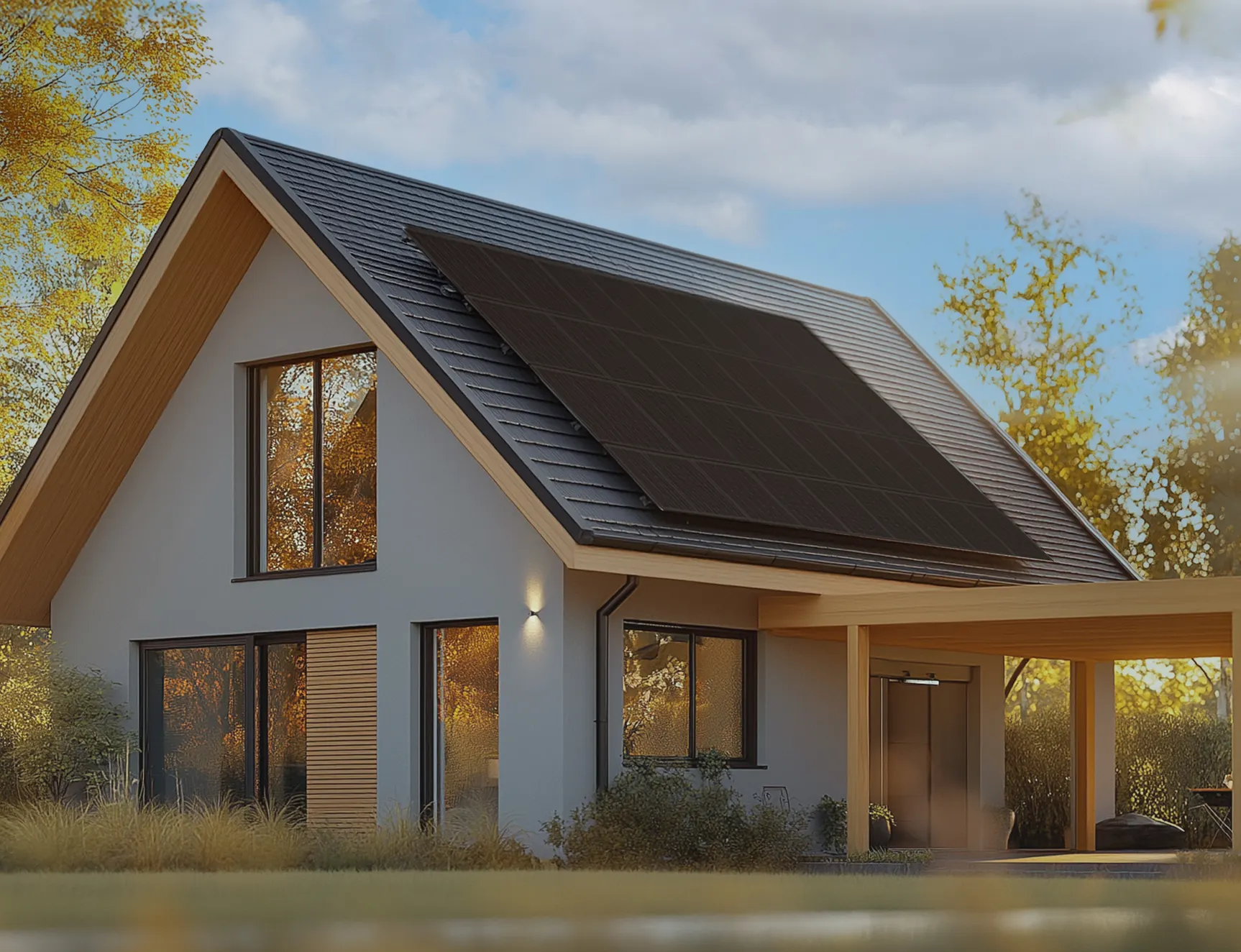
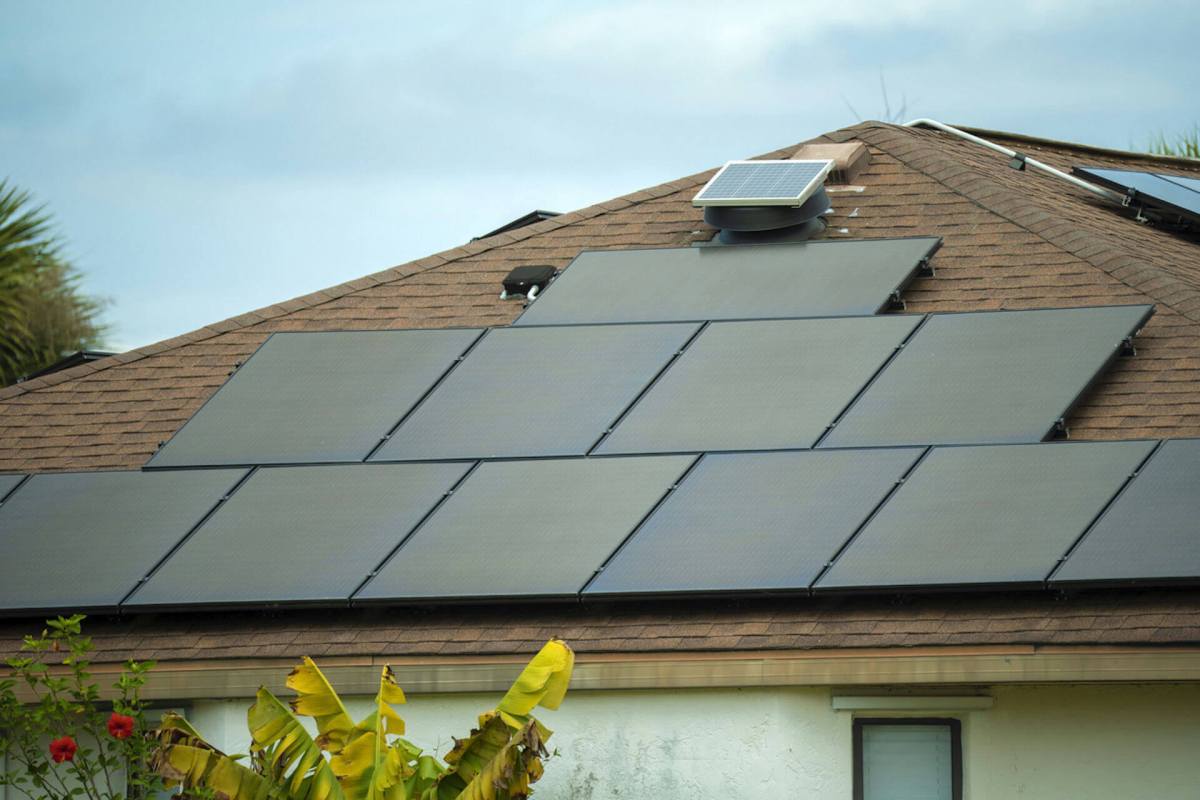

For readers in the U.S. weighing a similar solar-versus-storage decision, EnergySage can also be a major money-saving tool, as the average person can save up to $10,000 on solar purchases and installations.
EnergySage's solar map also shows the average cost of a home solar panel system by state, along with details on local solar panel incentives. Together, those resources can help homeowners get the best price for rooftop solar panels.
Where can I learn more?
Similar decisions come up when a solar quote starts climbing and system design gets more complicated.
• A homeowner did the math on buying solar panels as a source of passive income.
• In Australia, a 20kW solar setup made blackouts a thing of the past and earned monthly credits.
• EnergySage's former COO broke down interconnected solar cost factors confusing many first-time buyers.
• One homeowner said rooftop panels cut a sky-high electricity bill so sharply it was startling.

Get TCD's free newsletters for easy tips, smart advice, and a chance to earn $5,000 toward home upgrades. To see more stories like this one, change your Google preferences here.






